Dog depression can occur for a variety of reasons, such as changes in the household, an illness or injury, or the loss of a companion. Integrative veterinarian Dr. Julie Buzby takes a closer look at the situations that may cause your dog to be depressed and discusses the signs of canine depression. Plus, she offers seven practical dog depression remedies that can hopefully put the pep back in your dog’s step.

Have you ever looked at your dog and thought, “He or she just seems…sad?” Maybe your normally playful pup has lost interest in fetch, spends more time sleeping, or isn’t greeting you at the door like usual. It is natural to wonder if dogs can become sad or depressed like humans do.
Can dogs get depressed?
Dogs can and do become depressed, usually as a result of life changes. Research and everyday observations indicate that dogs experience a wide range of emotions, including fear, joy, anxiety, grief, and sadness. These feelings can sometimes manifest as behavior changes such as sleeping or hiding more, which may be signs of canine depression.
What causes depression in dogs?
Although dogs can exhibit sadness and depression-like behaviors, the way depression develops in dogs is different than how it happens in humans. In people, depression is often influenced by complex thought processes and a combination of factors, including genetics, brain chemistry, trauma, chronic stress, and life circumstances.
On the other hand, canine depression is often associated with noticeable life changes or triggers that disrupt the dog’s world. Several situations can affect a dog’s sense of security or comfort, including:
Loss of a person or animal companion
Dogs are incredibly loyal and devoted to the people and animals in their lives. They form strong bonds and notice the absence of their companions.
When a beloved person, dog, or other animal companion moves away or dies, dogs grieve the sudden absence. They may show changes in their behavior as they adjust to losing not only their friend but also the shared routines and the stimulation from social interactions.
Changes in routine
Many dogs thrive on the consistency and predictability of a routine. Over time, dogs learn what to expect each day, such as when breakfast is served, when walks happen, and when their pet parents typically return home.
When these routines suddenly change, some dogs may feel unsettled and show signs of stress or depression. Routine changes that may affect dogs include:
- Fewer walks or less exercise each day
- A dog parent being away from home more often
- Changes in feeding schedules
- A new work schedule for a family member
- Less time spent interacting with family members
- Longer periods alone
- Changes in household members or pets
- Visiting a new location
- Starting doggie daycare
- Boarding while the family is on vacation
Even positive changes could cause temporary depression or anxiety while your dog adjusts to the new routine.
Moving to a new home
If you have ever moved to a new home, you know the experience can be stressful and requires an adjustment period. The same is true for our canine companions.
Dogs become comfortable with the familiar sights, sounds, smells, and routines of their home environment. A new home brings with it many unfamiliar aspects that may feel scary or overwhelming.

Plus, moving often comes with additional stressors like packing boxes, removing belongings, cleaning, rearranging furniture, and having strange or new people coming in and out of the home. This can disrupt a dog’s daily routine and make him or her feel anxious.
As a result, some dogs may appear depressed after a move until they adjust to their new surroundings and rebuild a sense of security.
A new family member
Whether a significant other, spouse, new baby, new puppy, or another pet, bringing a new family member home is exciting. However, even happy changes can be stressful. They can bring different routines, new noises, and new smells into your dog’s life.
Your dog may need time to adjust to sharing your attention, adapt to new household dynamics, and learn what their new normal looks like. Some dogs handle these changes easily, while others may become withdrawn, anxious, or depressed at first.
Illness and pain
Just like for humans, physical and emotional health go hand in hand for dogs.
Dogs who don’t feel well often become less active and less engaged with their surroundings. Additionally, dogs who are sick may not eat, drink, or play as much as normal. These changes can also lower your dog’s energy and mood.
Some common culprits include:
- Dog is in pain due to arthritis in dogs or other orthopedic problems
- Ongoing health issues such as autoimmune diseases in dogs, Cushing’s disease in dogs, or inflammatory bowel disease (IBD in dogs)
- Separation anxiety in dogs, noise phobia, or generalized anxiety
These medical problems, and the others not listed here, can make your dog appear reserved or depressed. Additionally, dogs who need to wear a cone (E-collar) may also become depressed, especially if it has to be on for extended periods of time.
Do dogs get depressed after a spay or neuter?
Dogs may seem a bit off or tired for a few days, but they generally aren’t truly depressed after a spay or neuter surgery.
As far as we can tell, dogs do not have the same emotional desire to become parents that some humans have. They are not spending their days thinking about having puppies or starting families. Therefore, they do not mourn the change in their ability to reproduce following a spay or neuter.
Rather, if dogs appear sad after surgery, this temporary change is often related to anesthesia, pain medication, soreness, activity restrictions, or simply feeling tired during recovery, not true depression.
Many dogs recovering from surgery will seem quieter than usual for a few days and then bounce back. However, if your dog’s appetite, energy, or behavior worsens or doesn’t improve after a couple of days, contact your veterinarian.
Can dogs get postpartum depression?
Postpartum depression in dogs has not been well established or documented in the same way it has in humans. However, dogs can experience changes in behavior after giving birth.
After delivery, a mother dog may experience hormonal changes, physical exhaustion, stress, pain, or illness that can affect her behavior. This might cause her to isolate herself, be less energetic, or struggle to care for the puppies.
It is important to keep in mind that behavior changes after giving birth can sometimes be related to serious medical concerns such as pain, infection, low calcium levels, or other postpartum complications of female dogs. Thus, you should pay particularly close attention to a mother dog’s behavior and overall health. A dog who seems unusually depressed, refuses to care for her puppies, stops eating, or appears unwell should be evaluated by a veterinarian.
Do dogs get seasonal depression?
There is limited research on seasonal depression in dogs compared to humans, so it is unclear if dogs truly suffer from it.
Many dog parents report that their dogs appear less energetic, less interested in activities, or more withdrawn during the winter months.
Some veterinarians and scientists believe this may be related to changes in daylight hours. Shorter days may influence hormone levels, including increasing melatonin levels. Melatonin plays a key role in sleep rhythms and regulating the body’s internal clock. This can cause a dog to feel more tired throughout the day.

Additionally, winter can affect a dog’s lifestyle. Many dogs spend less time outdoors during colder months, which may mean fewer walks, less exercise, and fewer opportunities for mental stimulation from exploring and sniffing their environment.
These seasonal changes may contribute to depression-like behaviors in some dogs. However, it is also possible that these dogs are simply responding to decreased activity, changes in routine, or fewer opportunities for enrichment.
Do senior dogs get depressed? Or could it be dementia?
Senior dogs can certainly become depressed due to pain, chronic illnesses, or life changes, but alterations in behavior and personality can also be signs of dementia in dogs.
Dementia, or canine cognitive dysfunction (CCD), is a condition similar to Alzheimer’s disease in humans. Affected dogs may have disturbed sleep patterns, altered social interactions, disorientation, and decreased activity levels. These signs, plus the fact that CCD can cause dogs to seem different or distant, can sometimes make it hard to determine if depression or dementia is the problem.
If your senior dog suddenly seems depressed, it is important to talk with your veterinarian. Identifying whether the changes are related to CCD, another disease, pain, or emotional stress can help determine the best ways to support your dog’s quality of life.
How can I tell if my dog is depressed?
Humans can describe feelings like sadness, emptiness, anxiety, or hopelessness, but dogs communicate through body language and behavior instead. In other words, they show us, not tell us, that they are feeling sad and depressed.
Signs of canine depression
Common signs of depression in dogs include:
- Loss of interest in things he or she normally enjoys: Playing, walking, or just sitting on the couch together seem to hold less appeal to your dog.
- Sleeping more than usual: It might seem like all your dog does anymore is sleep.
- Low energy: A lethargic dog would rather lie around than get up and do things.
- Decreased appetite: A dog who normally scarfs down his or her food may eat more slowly. Or a picky eater may have stopped eating entirely.
- Less excited or loving toward family members: Your dog doesn’t wander over looking for pets or snuggles or seem happy to see you.
- Excessive hiding: You have to look for your dog when you want to take a walk, play, or just say “hi.”
- Less enthusiasm when you come home: Instead of running over, your dog may just raise his or her head and look at you.
- Not wanting to interact with other pets: Hiding, ignoring, or even getting grumpy with other pets are all possible.
- Increased clinginess: Your dog may want to be your constant shadow even more than before. Or a normally aloof dog might suddenly want to always be by your side.
- Changes in vocalization: Increased whining, whimpering, or barking may occur.
- Anxiety: Some dogs have an increase in circling, panting, trembling, hiding, clinging, or other signs of anxiety.
- Pacing: Continually walking back and forth may be a sign of anxiety or discomfort.
- General “lack of spark”: Your dog may seem down and dull.
Is my dog depressed or sick?
It’s important to remember that many illnesses can look like depression. A dog who suddenly becomes quiet or withdrawn, or shows any of the other signs above, may actually be dealing with sickness or pain.
For example, dogs taking certain medications or diagnosed with conditions like arthritis, dental pain, hypothyroidism in dogs, Cushing’s disease, kidney failure in dogs, diabetes in dogs, cancer, or an infection could all experience symptoms similar to depression.
Thus, it’s best to have your veterinarian evaluate persistent behavior changes or symptoms rather than assuming your dog is simply depressed.
When should you call your vet?
Not every episode of sadness in dogs is an emergency. For example, imagine your dog seems a little down after you’ve been away at work longer than normal or because you can’t go on your daily walk due to bad weather. In that case, he or she may just need a little extra attention, more snuggles, or increased time playing inside to perk up again.
However, if your dog is experiencing ongoing or severe depression symptoms that last more than a few days or are accompanied by other concerning changes, it may be an indication of another problem. Bring your dog to the vet if he or she:
- Stops eating
- Seems tired for more than a day or two
- Doesn’t want to do favorite activities
- Has sudden behavior changes including aggression
- Seems overly anxious
- Cries, whimpers, or yelps
- Appears painful
- Dog is limping or having difficulty walking
- Begins vomiting or having diarrhea
- Is losing weight
- Breathes heavily, coughs, or tires quickly after exercise
- Has pale gums in dogs
- Drinks and urinates more or less than normal
This is not an exhaustive list. If you have any concerns about your dog, the best thing you can do is consult your veterinarian.
How will the vet diagnose my dog with depression?
Since dogs can’t verbally share their thoughts and feelings, your veterinarian will use clues from the history, physical exam, and diagnostic testing (if indicated) to determine if your dog is depressed, sick, painful, or some combination of those things.
First, the veterinarian will ask questions to determine whether there have been any potential changes in your dog’s life, such as a move, loss of a companion, new family member, etc. And he or she will also want to get a better idea of the symptoms your dog is showing, how long they have been going on, and if anything has made them better or worse.
Then the vet will move on to the physical exam. This is a chance for him or her to check for pain or signs of disease that may help explain the symptoms.
Depending on the history and examination findings, your veterinarian may recommend additional tests. They could include blood tests for dogs, X-rays, an ultrasound, or other diagnostics. These tests help identify or rule out underlying conditions.
If no underlying medical cause is found, your veterinarian can work with you to determine whether your dog’s behavior is related to depression, stress, grief, anxiety, or another behavioral concern. In some cases, he or she may refer your dog to a veterinary behaviorist for ongoing management.

7 dog depression remedies
Once your veterinarian has ruled out or uncovered any underlying health concerns, he or she will talk with you about ways to help boost your dog’s emotional well-being.
1. Addressing medical concerns contributing to the depression
If your dog is sad and has low energy because he or she is in pain or feeling sick from another disease, managing the underlying problem is important. Depending on the condition, that could include creating a pain management plan, using condition-specific medications, and providing supportive care (anti-nausea medications, dietary therapy, etc.).
2. Managing anxiety
Anxiety can contribute to depression-like behaviors in dogs. Thus, addressing it is an important step in helping depressed dogs feel better. Many anxious dogs improve with a combination of medication, lifestyle and environmental modifications, and training.
One component of managing anxiety in dogs is using anti-anxiety medications and supplements.
However, you should never give human antidepressants or anti-anxiety medications to your dog unless specifically prescribed by your veterinarian. Doing so could be dangerous, as some human medications or supplements are toxic to dogs.
Depending on the dog and the underlying cause of their anxiety, treatment may also include:
- Behavior modification (behavior training)
- Environmental changes
- Establishing a consistent routine
- Increasing physical and mental enrichment
- Gradually helping your dog become more comfortable in situations that trigger anxiety
Your veterinarian can help you find the approach that is most appropriate based on your dog’s specific needs.
3. Reducing stress
Stress can contribute to depression in dogs, so reducing unnecessary stressors may help your dog feel more relaxed and comfortable. While some changes in life are unavoidable, maintaining a calm environment can make it easier for your dog to adjust.
If there is a major change in your dog’s life, take extra care to give your dog positive experiences. This can help distract him or her from everything going on.
For example, if you are moving, take your dog on a walk to escape the hustle and bustle of packing or unpacking. Or if your house is loud or full of unfamiliar visitors, give your dog a safe space to take a break. That could be a bed in your bedroom, outside in the yard (if it can be done safely), in the crate, etc. And even on “regular days”, ensure your dog has a quiet, comfortable place to rest without being disturbed.
During stressful periods, it may be necessary to use positive reinforcement to encourage your dog and build positive associations. Try giving your dog praise and pets when they are calm. You can also distract and reward your dog with treats or new toys. Anything you can do to help your dog overcome stress may benefit him or her.
Remember that every dog is different. Some dogs adjust to change quickly, while others need more time and support before they begin acting like themselves again.
4. Sticking to a routine
Dogs with anxiety or depression thrive on a routine. It helps them feel more secure and have a better understanding of what is happening.
This doesn’t mean every day of your dog’s life should be the same. But try to have a few things each day that your dog can depend on. For example, maybe your dog always goes on a walk after eating. Or at bedtime, you always spend 5-10 minutes petting your dog.
If your dog is a senior dog, routines are even more important, especially if your dog has canine cognitive dysfunction. Senior dog routines might include turning on a nightlight every night so they can see better. Or it could be giving your dog a shirt or sweater that smells like you to sleep with so they feel like you are close. You know what works best for your dog.
Little routines can have a huge impact.
5. Increasing physical activity
Just like in humans, exercise naturally stimulates the brain and “happy hormones.” Physical movement is an excellent way to improve mood.
Going on an extra walk or playing a game of fetch each day can make a big difference for some dogs. Or, if you and your dog are comfortable with it, consider visiting a dog park to let your dog run around and play with other dogs. Walking or hiking in a new place is also a great option for some mental and physical exercise.
An additional bonus is that many physical activities involve you spending time with your dog. This extra time together can improve your dog’s mood as well!
6. Providing mental stimulation
Mental stimulation is one of my favorite ways to help dogs with depression.
One of the easiest ways to provide mental stimulation is by taking your dog outside. Being outdoors and letting your dog sniff around triggers a dog’s seeking nature, releases dopamine, and reduces boredom.
You can also use mental stimulation toys and games for dogs to work your dog’s brain. This could include:
- Food puzzles
- Hiding food or treats under mats or blankets
- Training sessions
- Scent-work games
- Hide and seek
- Trying new walking routes
- Safe chew toys for dogs
Enrichment may reduce anxiety and depression while also being fun and providing a bonding experience for you and your dog.
7. Spending quality time together
Regardless of the cause of your dog’s depression, many dogs benefit from extra one-on-one attention and positive interactions with their family.
Playing, training sessions, grooming, walks, or simply relaxing together may help strengthen your bond while encouraging your dog to engage with you. These positive moments together can help your dog feel loved.
However, spending quality time together does not mean you can never leave your dog home alone. In fact, maintaining a normal routine can help provide the consistency and security many dogs need. The goal is to create more meaningful interactions when you are together, rather than changing your entire schedule.
Know when to check in with the vet again
Many dogs improve with extra support, patience, consistency, and addressing the underlying cause of their behavior changes. But it is important to remember that depression can sometimes be a sign of a larger health concern. If your dog doesn’t seem to be improving or develops additional symptoms, please check in with your vet again. This can help ensure your dog gets the support he or she needs.
Can dogs die from depression?
Sadness alone does not usually cause a dog to pass away. But severe changes in behavior because of depression can sometimes affect a dog’s health and well-being.
A dog who becomes depressed may stop eating, drinking, playing, or engaging in their normal activities. Prolonged changes like these can affect their overall health. For example, a dog who does not eat or drink adequately for an extended period of time can experience weight loss, dehydration in dogs, weakness, and other serious health concerns.
This is why you should not ignore significant or ongoing changes in your dog’s behavior. If your dog’s symptoms are severe, continue for more than a few days, or are accompanied by other concerning signs, schedule an appointment with your vet. He or she can help identify what is going on and determine the best way to get your dog feeling better.
Support your depressed dog
Dogs do not experience depression exactly the same way humans do. But they can become depressed due to major life changes, loss, stress, illness, pain, and changes to their environment.
If your dog seems sad or less interested in the things he or she once enjoyed, start by looking for possible triggers in his or her daily life and take steps to lessen their impact. Providing consistency, enrichment, exercise, and bonding playtime can help many dogs regain their confidence and happiness.
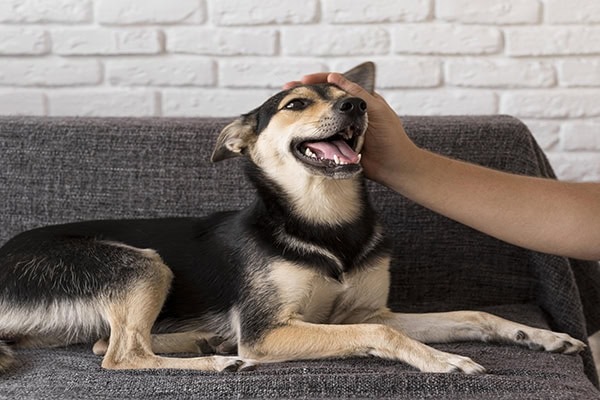
But remember, sometimes sickness and depression can be hard to tell apart. If your dog is worsening or showing worrisome symptoms, schedule a vet visit. This is the safest way to ensure an underlying health condition isn’t playing a role in your dog’s depression.
What remedies have helped your depressed dog?
Please comment below.

