A dog ear hematoma is a pocket of blood that accumulates in a dog’s ear flap, usually due to trauma or excessive head shaking. Integrative veterinarian Dr. Julie Buzby discusses the causes, symptoms, diagnosis, treatment, prognosis, and prevention of ear hematomas so dog parents know what to watch out for.
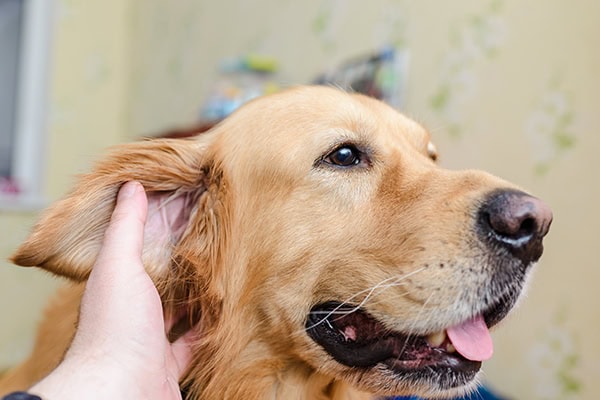
One of my clients brought his chocolate lab, Ellie, in for an exam. The visit notes stated that she had been shaking her head at home and that one ear looked swollen. My client was concerned that his beloved dog had been stung by a bee or bitten by a snake.
However, as soon as Ellie walked into the exam room with her head tilted to one side and an ear that resembled a triangular water balloon, I suspected that she actually had an ear hematoma.
What is a dog ear hematoma?
A dog ear hematoma, also known as an aural hematoma, is a blood-filled pocket that develops when the tiny blood vessels inside a dog’s ear flap get damaged and begin leaking.
The ear flap contains a network of blood vessels and nerves plus a layer of cartilage, all covered with skin. When a dog experiences trauma to the ear or violently shakes his or her head, the resulting shearing forces tear those vessels. They start bleeding within the closed tissue of the ear flap (pinna), and the supportive layer of cartilage (scapha) in the ear may separate into two layers.
The end result is painful swelling of the ear flap.
What causes dog ear hematomas?
Ear hematomas can develop due to a variety of causes, including:
- Trauma: Bite wounds from another animal or blunt force trauma can damage blood vessels inside the ear flap.
- Excessive ear scratching or head shaking:
- Ear infections (otitis in dogs) may be recurrent and often develop secondary to yeast, bacteria, or a combination of organisms. They can cause the ear to become extremely itchy and irritated. As a result, the dog may flap the ears, scratch at them, or rub the ears on the floor.
- Dog seasonal allergies, food allergy in dogs, and contact irritation from caustic substances may cause intense itchiness of the ears and face in susceptible dogs.
- Parasites such as fleas (leading to flea allergy dermatitis in dogs) or ear mites inside the ear canal can also lead to a very itchy dog.
- Getting foreign material (like a foxtail in dogs) stuck in the ear canal may lead to ear flapping and irritation.
- Underlying bleeding disorders that affect a dog’s normal clotting ability: Inherited conditions like von Willebrand disease or hemophilia, immune-mediated conditions like ITP in dogs (immune-mediated thrombocytopenia), or ingestion of toxins like rat poison may cause widespread and spontaneous bleeding. In addition to potentially having an ear hematoma, affected dogs may also bleed from the gums, develop bruises on the skin, or experience a dog nose bleed. This is an emergency.
- Fragile capillaries (tiny blood vessels): Conditions like Cushing’s disease in dogs that make the capillaries more fragile might also make a dog more likely to develop an ear hematoma.
What are the symptoms of an ear hematoma?
Symptoms of hematomas in dogs may be subtle at first. Sometimes they may even go unnoticed initially in a dog who has a previous history of allergies or ear infections. Typical signs include:
A palpable or visible pocket of swelling on the ear flap
Ear flap swelling is a cardinal sign of an ear hematoma. The pocket may feel squishy, like a water balloon, if it formed recently and is still composed of blood and serum (the fluid part of blood). However, hematomas that have been present for several days may feel firmer and irregular. This is due to the presence of fibrin clots.
Pulling away when you touch the ear
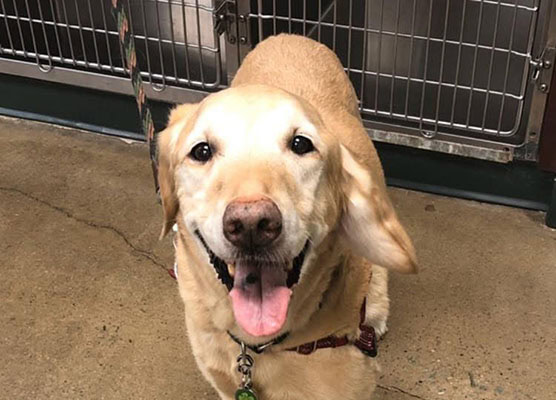
Affected dogs may not want you to touch their head or ear. Ear hematomas are painful, especially if the hematoma is large and encompasses most of the ear flap. The pain comes from increased pressure on the cartilage and skin since the trapped blood has no way to escape.
A droopy ear flap
The ear will look like it sits lower on the dog’s head than the normal ear. In a dog with an upright ear, the affected ear may flop over a bit.
Excessive head shaking
A heavy, painful ear feels funny, and if the dog has an ear infection, the ear might be itchy. Both can cause head shaking.

Scratching at the ear
Dogs may scratch or rub at the itchy and irritated ear. This may be accompanied by vocalization if the ear is painful.
The scratching or head shaking might have been going on before the hematoma formed. Thus, sometimes it doesn’t immediately stand out to dog parents that anything new is going on with the ear.
A head tilt toward the affected ear
If the left ear has a hematoma, the head will tilt such that the left ear is closest to the ground. And vice versa if it is the right ear.
Redness and warmth to the ear
The ear flap may feel warm to the touch and appear redder than normal. This is especially likely if there is infection, allergic inflammation, or trauma to the ear.
Ear discharge
Dogs with an ear infection may have yellow to brown, smelly ear discharge. Ear mites tend to cause a drier, coffee-ground-appearing material to accumulate in the ears.
Itchy or irritated skin elsewhere on the body
Dogs who have an ear hematoma secondary to allergies might also have hairless, crusty, or irritated patches on the rest of their body. And you might notice your dog licking the paws or scratching the whole body, not just the ears.
Is a dog ear hematoma an emergency?
An ear hematoma combined with spontaneous bleeding in other locations does require an emergency vet visit and can be life-threatening. However, ear hematomas secondary to allergies or ear infections are generally not an emergency. For your dog’s comfort and the best outcomes, though, it is still important to seek care promptly.
How will the vet diagnose the dog with an ear hematoma?
Diagnosis of an ear hematoma is usually pretty straightforward. If it looks like a hematoma and it feels like a hematoma, it’s probably a hematoma. However, the vet will also need to do some investigating to discover the cause of the hematoma.
Physical exam
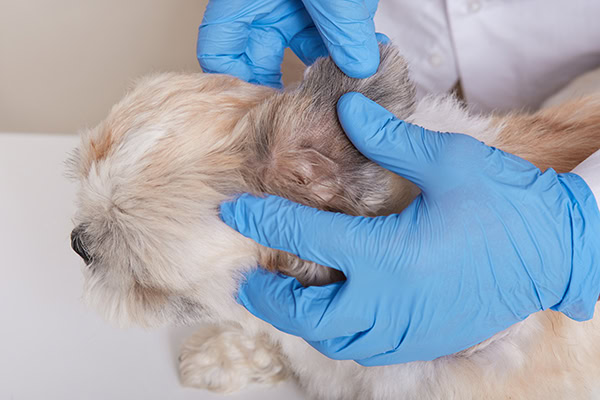
After reviewing your dog’s medical history, your vet will start with a gentle examination of your dog’s swollen ear flap. He or she will carefully assess the skin on the head and around the ear for signs of visible trauma such as puncture wounds from the bite of another animal. And he or she will also look for evidence of tissue swelling around the head and face from a snake bite on a dog or a bug bite on a dog.
Otic exam
Next, your vet will attempt to look inside the ear canal with an otoscope. Sometimes this is possible. Other times, the dog is too painful to permit an awake ear exam, or the ear canal is swollen shut.
Findings on otoscopic exam may include:
- Inflammation and discharge, pointing to an ear infection
- Ear mites or their characteristic debris
- Growths in the ear canal (polyps or tumors)
- Other visible obstructions in the canal that create irritation (like a forgotten cotton ball after a bath)
Basically, the vet is looking for any clues to help him or her understand why the dog developed the hematoma.
Ear cytology
If there is excessive debris in the ear canal, your vet will perform an ear cytology. This involves collecting a sample of the debris and examining it under the microscope. Determining if there are organisms like yeast, bacteria, or ear mites present in the ear helps the vet create a treatment plan.
What is the dog ear hematoma treatment?
Fixing the hematoma without addressing the underlying cause is unlikely to be successful long-term. Thus, treatment of a dog ear hematoma should focus on pain relief, concurrent treatment of underlying conditions (infection, allergy, etc.), and resolution of the actual swelling of the ear flap.
Addressing pain and inflammation
The vet may prescribe steroids like prednisone for dogs or non-steroidal anti-inflammatory drugs (NSAIDs) like carprofen for dogs. These medications can help relieve inflammation and pain.
NOTE: Dogs should not take oral steroids and NSAIDs concurrently. Doing so runs the risk of gastric upset or stomach ulcers in dogs.
Treating the infection
To address the ear infection, the vet may prescribe ear drops or ointment that has antibacterial, antifungal, and/or anti-inflammatory properties. Plus, he or she may recommend cleaning your dog’s ears regularly.
Dogs who also have skin infections may need a combination of oral and topical medications (antibiotics or antifungals) plus medicated shampoos, sprays, or wipes.
Managing underlying allergies
The vet may prescribe allergy medications for dogs with environmental allergies to help decrease the itching. Or, if the vet suspects your dog has food allergies, he or she might recommend starting a food trial.
Treating the hematoma conservatively
Generally speaking, ear hematomas can be managed conservatively or addressed with surgery.
Small hematomas that have formed recently tend to be the best candidates for medical treatment. There are variations on these themes, but generally speaking, conservative approaches fall into two categories:
“Benign neglect” and observation at home:
In some cases, if the vet addresses the underlying problem and puts the dog on oral steroids to reduce inflammation, the hematoma may resolve without needing to be drained. However, this approach still requires pet owners to be very vigilant.
If the hematoma is tiny initially, but the dog continues to shake his or her head or scratch the ears, it is very likely that the hematoma will enlarge. And then the dog may ultimately require surgical intervention.
Aspiration, steroids, and a compression wrap
Alternatively, the vet may non-surgically drain the hematoma, inject steroids into the pocket, and then wrap the ear.
First, the vet will use a needle or butterfly catheter to remove as much of the fluid from the ear flap as possible. Some dogs will tolerate this awake, but many will not. In the latter case, light sedation may be necessary to drain the fluid pocket without causing pain and stress to the dog or further injury to the ear.
Often, the vet will also inject steroids like triamcinolone or dexamethasone into the fluid pocket. This can help decrease local tissue inflammation, but it may not necessarily do anything to prevent recurrence of the hematoma.
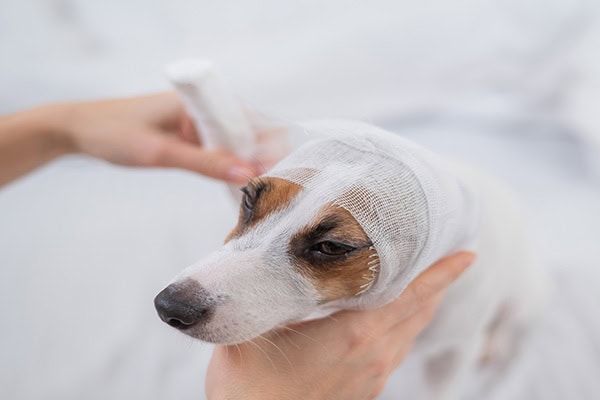
Then the vet will apply a compression wrap to prevent fluid from reaccumulating after aspiration. Or he or she may recommend a product like the No Flap™ Ear Wrap. This hood goes over the dog’s head to secure the ears and keep them from flapping.
Challenges of medical management
Unfortunately, conservative treatment doesn’t always work, even with small hematomas. Aspiration of the fluid alone is often only a temporary fix. It’s not uncommon for the empty tissue pocket to refill with blood or serous fluid within a few days, especially without a wrap to hold the pocket in the ear flap closed. Thus, the vet may need to repeat this process several times.
Compression wraps also come with their own set of problems. A wrap that is too loose may fall off, be slung off with a violent shake of the head or be scratched off if the dog doesn’t have his or her E-collar on.
On the other hand, wraps around the ear flap (or those that cover the whole head) that are too tight can also cause swelling and pain. Overcompression delays the healing process and can cause further injury if it restricts blood flow to the tip of the ear.
Dog ear hematoma surgery
Surgical treatment options for a dog ear hematoma often vary due to the preference of the veterinarian, but may include:
Placing a drain or teat cannula in the ear flap
The vet will insert a latex drain or teat cannula between the skin and cartilage to allow the fluid to drain from the ear flap via gravity. The drain or cannula is sutured into place, and it remains in the ear flap for at least a week to prevent reaccumulation of fluid.
Making an incision or holes in the ear flap
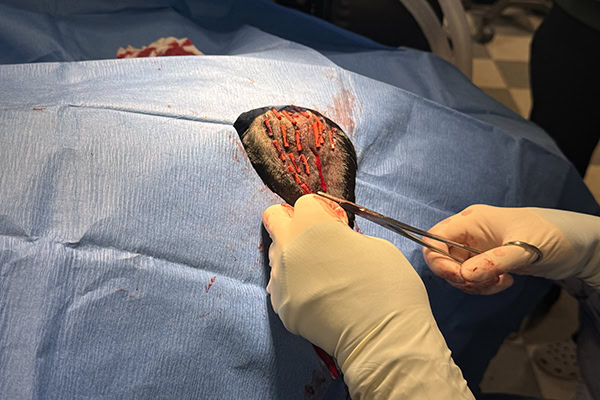
There are several variations of this technique. Generally, it involves making a linear incision or multiple circular fenestrations (holes) in the inner ear flap. This drains the bloody fluid from the ear.
Then the vet will place a pattern of full-thickness sutures through the ear flap and around the surgical openings. The sutures hold the skin and cartilage layers together to help prevent the hematoma from recurring.
Closed suction drain
Management of ear hematomas using a vacuum drain system is a newer option. For this procedure, the vet inserts a closed-system drain into the ear flap. Then the vacuum reservoir, which collects the fluid, is attached to the dog’s collar and shielded by an Elizabethan collar.
What to expect after ear hematoma surgery
Once surgery is complete, the vet will send your dog home with pain medication, antibiotics (if necessary), and an Elizabethan collar. Sometimes the vet will also bandage the ear or recommend something like the No Flap™ Ear Wrap discussed previously.
Drain systems are usually left in place for anywhere from one to three weeks. The timeframe depends on the type of drain system the vet used.
For ears with open drain sites, dog parents will need to check the openings daily. It is important to ensure they haven’t scabbed over, trapping fluid inside the ear.
Other daily observations include monitoring for:
- Redness
- Increased swelling
- Increased pain
- Change in the character of the drainage
- Disruption of the drain system (which can happen quickly if the dog is left unsupervised with no E-collar in place)
If you have any questions or concerns during the healing process, it will be important to consult your vet promptly.
Can I treat my dog’s ear hematoma at home?
No. There are no safe, DIY methods for treating a dog’s ear hematoma at home. Because of the painful nature of this condition and the high likelihood of other underlying causes, it’s best to have your dog’s ear examined and treated by a veterinarian.
What is the outlook for dogs with ear hematomas?
Dogs with ear hematomas typically have a good prognosis for recovery with appropriate treatment and management of the underlying cause.
Depending on the size of the hematoma itself (and the method of treatment that your vet recommends), recovery times may vary from several days to several weeks. The cosmetic appearance of the ear can differ a bit depending on the technique used as well. Sometimes, there can be some wrinkling of the ear flap.
For dogs whose hematomas are treated surgically and heal completely, the probability of developing another hematoma in the same ear flap is fairly low. However, recurrent ear infections in that ear will increase the chances of another hematoma.
Reoccurrence rates are higher for medical management options such as draining the hematoma with a needle and injecting a steroid. However, medical treatment is certainly still a viable option for some dogs.
Regardless of the treatment method, it’s possible that the other ear can develop a hematoma in the future. Thus, controlling the underlying cause is critical.
Consequences of not treating an ear hematoma
Dogs with ear hematomas that are left untreated are much more likely to develop a cauliflower ear. This is scar tissue that develops as the skin and cartilage slowly heal. (Think of human boxers or MMA fighters who have visibly deformed ears after years of competitive fighting.)
While the hematoma will eventually go away on its own, the healing process is complicated by the slow resorption of fibrin clots. This interferes with the normal reattachment of the skin and cartilage layers, leading to a lumpy, misshapen ear flap.
Additionally, dogs with large hematomas that are left untreated may experience significant pain and discomfort from prolonged swelling and pressure in the ear flap. It takes a long time for the body’s natural reabsorption process to remove leaked blood and serum and dissolve the fibrin clots present in the ear flap.
How can you prevent ear hematomas?
The best ways to prevent recurrence or keep your dog from getting a hematoma in the first place are to:
- Monitor your dog closely for signs of ear irritation due to ear infections, allergies, parasites, or other conditions, and promptly schedule an appointment with the vet if noted
- Manage seasonal or food allergies to minimize allergic inflammation
- Keep your dog on year-round flea and tick prevention
- Schedule regular wellness checks with your vet so he or she can evaluate the ears for infection, parasites, or abnormal growths in the canals
- Follow the post-op instructions carefully, including use of an E-collar
Keep a close eye on your dog and partner with your vet
Ideally, if your dog is scratching or shaking the ears, you would be able to intervene before a hematoma forms. However, that isn’t always possible. Rather than feeling guilty about it, remember that early recognition of ear flap swelling at home, coupled with prompt diagnosis and treatment by your veterinarian, can make all the difference for your dog’s comfort during the recovery period.
Has your dog had an ear hematoma?
Please comment below.