If you are listening to your dog incessantly lick and chews his or her paws and wondering “Why do dogs lick their paws?”, this article is for you! Integrative veterinarian Dr. Julie Buzby discusses two normal and seven abnormal reasons for dogs to lick their paws. Then she explains how your veterinarian will diagnose and address these different causes of paw licking, and what you can do at home to help your dog.
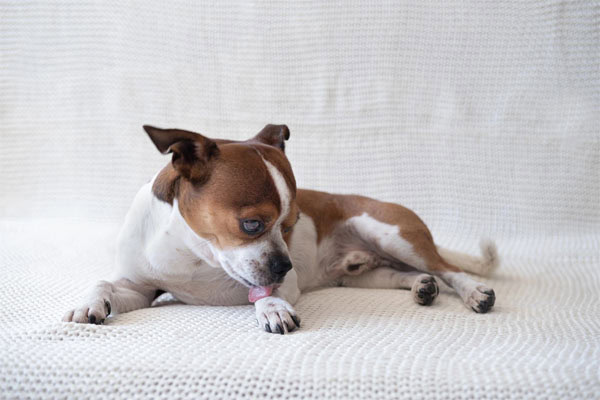
Have you ever noticed your dog lying in bed licking his or her paws? There’s something about that slurping, snuffling, chomping sound that quickly gets my attention, especially when I’m trying to sleep. However, it isn’t just the sound that is bothersome, it’s also what it can represent.
While paw licking can be normal in some situations, it may also be an indicator of a problem, especially if it is happening more frequently or you are noticing other concerning signs.
Why do dogs lick their paws? 2 normal reasons
As mentioned, paw licking can be a normal behavior in dogs. Before jumping to worst-case scenarios, it helps to understand the simple, harmless reasons behind it.
1. Processing information about the world
Dogs experience the world through their mouths and noses. Taste and smell are key for how they understand their environment, interact, and learn. So, after walking around—especially in new or stimulating places—you might notice your dog sniffing, licking, or even lightly chewing on his or her paws as a way to process all that new information.
2. Grooming behavior
Dogs groom themselves routinely to help maintain a healthy skin and coat, and licking the paws is part of that. This type of paw licking tends to be especially common after dogs have been outside or if their paws are dirty.
However, dogs should not excessively lick during routine grooming or after going somewhere interesting.
Why do dogs lick their paws? 7 abnormal reasons
If your dog is constantly and obsessively licking his or her paws, it’s usually a sign that something more is going on beneath the surface. As you just learned, occasional licking can be harmless. But prolonged or intense licking is generally your dog’s way of trying to cope with discomfort, irritation, or even stress.
In those situations, one of the following seven common reasons dogs lick their paws might the culprit.
1. Food or seasonal (environmental) allergies
Allergies are among the most common causes of itchy paws and obsessive licking in dogs. Seasonal allergies in dogs can be triggered by environmental allergens like grass, pollen, or dust. And food allergies in dogs may occur when the immune system starts treating some food ingredients as foreign. (This is different than food sensitivities where the immune system isn’t involved in the reaction.)
Dogs frequently lick multiple paws, not just one, when allergies are to blame. And the dog may also show symptoms on other areas of the skin. You may notice:
- Excessively licking and chewing of the skin on the body and feet (especially the dog’s itchy paws and paw pads)
- Frequent scratching or rubbing the body on objects
- Red, irritated skin
- Dry rough paws or poor quality coat
- Ear issues such as redness, itching, or dark discharge, which may point to an ear infection (otitis in dogs)
- The dog losing hair in patches or having areas of thinner hair
- Dog dandruff or flaky skin
- Goopy eyes in dogs
- Vomiting or diarrhea (more common in food allergies)
If you see these signs, bring your dog to the vet for an examination.
After gathering a history and evaluating your dog’s skin, the vet may recommend some diagnostics such as cytology to screen for infection (more on that next) or skin scrapes to rule out parasites.
Diagnosing and managing food allergies in dogs
To help diagnose food allergies, the vet may have you feed a hypoallergenic prescription diet or homemade diet for 8-12 weeks. Your dog should not receive any other food or treats during the food trial. Good response to the diet and return of symptoms when possible dietary allergens are reintroduced is diagnostic for food allergies.
If food allergies are the problem, they can usually be well managed by feeding your dog the hypoallergenic diet long term and avoiding treats or other foods that contain potential allergens.
Addressing seasonal allergies
For environmental allergies, management involves allergy medicine for dogs like Apoquel® or Cytopoint®, immunotherapy (allergy shots), and use of topical products like medicated shampoos or mousses. Wiping or washing your dog’s paws after being outside can also remove environmental triggers and prevent flare-ups.
The good news is that while allergies can’t be cured, they can be managed well. With the right plan, most dogs get significant relief and go back to feeling like themselves again.
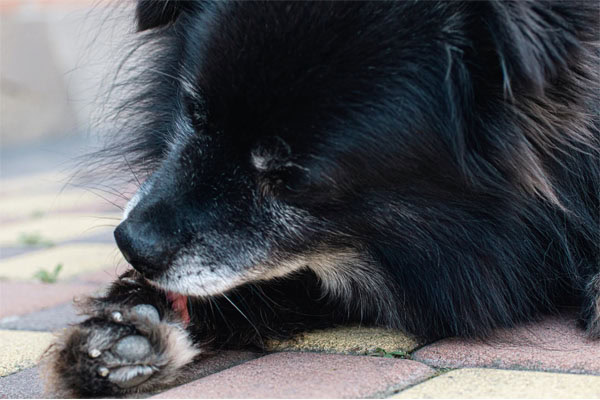
2. Bacterial and yeast paw infections
Bacterial and yeast infections also cause itchy irritated paws. They often develop secondary to allergies since the licking and chewing may damage the already suboptimal skin barrier. However, there are other contributing factors to skin or paw infections. For example, the hair on the feet and interdigital areas (skin folds between the toes) can easily trap moisture, creating the perfect breeding ground for bacteria and yeast.
Dog paw yeast infections or bacterial infections may cause symptoms such as:
- Persistent licking or chewing at the feet (often worsening over time)
- Red, inflamed skin (especially between the toes), which may look like the dog is licking the paws raw
- A strong or unusual odor to the feet (often described as “corn chip” or musty)
- Greasy or moist skin
- Limping
- Thickened and/or pigmented skin on the paws
- Brown debris in the nail folds (where the nail meets the skin of the paw)
- Hair loss on the paws
If your dog is exhibiting these symptoms and you suspect he or she has a skin infection, it’s a good idea to consult your veterinarian sooner rather than later. Infections can worsen if left untreated.
Diagnosing paw infections
Your veterinarian will typically start with a physical exam and then recommend diagnostic tests to rule out other skin conditions. One possible test is a skin cytology. This involves taking a swab, skin scrape, and/or tape impression of the affected skin and examining it under a microscope for bacteria, yeast, and inflammatory cells.
In some cases, the vet will also submit a sample from the paws for culture and sensitivity. Especially for recurrent, chronic, or deep infections, this can be a good way to identify which bacteria are present and determine the most effective antibiotics.
Treatment and prevention
Once the vet diagnoses the infection, he or she will prescribe antibotics or antifungals as needed. Plus, it can be beneficial to use medicated shampoos, wipes, or sprays to combat infection and promote skin health.
It’s also important to manage the underlying cause of the infection to help your dog heal and decrease further issues. This may mean:
- Implementing the allergy management plan you created with your vet
- Promptly reporting any allergy flares to the vet and addressing them before they lead to infection
- Asking your vet about products that help protect and improve the skin barrier
- Thoroughly cleaning your dog after he or she swims (especially in lakes or rivers)
- Avoiding prolonged moisture on your dog’s skin by carefully drying your dog (especially the paws) after swimming, baths, or going outside when it is wet
With treatment and prevention, most infections improve, and your dog will feel much better.
3. Foreign material in the paw
Dogs can get foreign bodies, such as sticks, metal wires, glass, foxtails, or other sharp objects stuck in their feet. Just like when you get a sliver in your hand or foot, foreign bodies in the paw are very painful and irritating for your dog.
But dogs don’t have fingers or tools to remove the offensive object from their feet, so they use their teeth and tongues. This leads to excessive chewing and licking of the foot.
Grass awns and foxtails in dogs can be especially painful, but also difficult to find and remove. Thus, if your dog is limping and licking a foot, it’s important to look closely at the dog’s foot. Some potential symptoms of foreign material in the foot include:
- Heat and redness of the tissue
- Swelling of the toes, area between the toes, or top of the foot
- Red bump on the foot
- Bleeding from a wound on the foot
- Abnormal odor
- Foreign material sticking out of the skin or paw pad or hole where the material was
If you suspect or see a foreign body in your dog’s paw, please consult your veterinarian promptly.
Diagnosis and treatment of foreign objects in the paw
Your veterinarian will examine your dog’s paw to locate and then safely remove the foreign body (sometimes under sedation). This is important because objects like foxtails or debris can become embedded and cause ongoing irritation or infection.
After removal, some dogs may need additional care such as bandaging, sutures, or, in certain cases, a small drain to support proper healing. The vet may also prescribe antibiotics and anti-inflammatories to prevent infection and reduce discomfort. Usually the area heals well once the foreign material, infection, and inflammation are gone.
4. Paw injuries
If your dog suddenly licks a paw obsessively and you don’t see a foreign object, a hurt paw or paw pad injury in dogs is a strong possibility. Dogs can develop small cuts, scrapes, wounds, torn nails, burns, irritation from caustic substances, or broken dog toes. Because paws take a lot of daily wear and tear, even minor injuries can be uncomfortable enough to trigger persistent licking.
Signs of a paw injury may include:
- Sudden, focused licking of one paw
- Limping or favoring a leg
- Swelling or redness of the paw or paw pad
- Bleeding or visible wounds
- Sensitivity when the paw is touched
- A broken or ripped off nail in dogs
- Sores on the paw pads or between the toes
If you suspect a minor injury, you can start by gently examining your dog’s paw in a well-lit area. Look between the toes, around the nails, and along the paw pads. Some injuries can be subtle and easy to miss, especially if they’re between the toes or under the paw pad.
Addressing paw injuries
If you find a small cut or scrape, you can clean it with mild soap and water and then keep the area dry. But if the dog has a split or torn nail, deep cut, or open areas on the paw pads, is limping, or seems sore without an obvious wound, it is best to consult your vet.
At the appointment, the vet will carefully evaluate your dog’s paw. If he or she suspects a broken bone, X-rays might be the next step. From there, the vet may cast or splint the break if one is present.
Otherwise, if your veterinarian finds a wound, he or she may clean and flush it. Or the vet may remove a torn or broken toenail. Then he or she might bandage the paw to protect it while it heals. Some dogs may also need antibiotics and pain medications.
For most injuries, it is important to limit activity at home and keep the paw clean and dry. In some cases, your vet may recommend wrapping your dog’s paw at home for a few days. You will also need to prevent your dog from licking and chewing at the paw or bandage. This may mean putting a cone (E-collar) on your dog while the paw is healing.
Thankfully, dogs generally heal well from a paw injury and never look back.
5. Arthritis
Dogs can develop arthritis in their paws, which is extremely painful. Since licking can be soothing to the dog and provide short-term pain relief, you might notice an older dog licking his or her arthritic paws. Some of the more common signs of arthritis in dogs include limping, looking stiff or sore, or struggling to move. Affected dogs may also have trouble getting up and down or be less active.
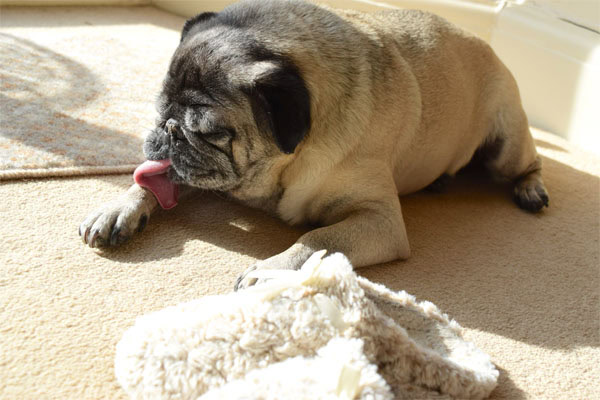
If the vet suspects osteoarthritis in dogs could be the culprit, he or she will confirm the diagnosis by performing a physical examination and taking X-rays of the affected area.
Managing arthritis
While arthritis isn’t reversible, there are many ways to manage it and keep your dog comfortable.
- Pain management using medications like NSAIDs (non-steroidal anti-inflammatory drugs) can be extremely beneficial, improving dogs’ comfort and quality of life.
- Laser therapy for dogs, PEMF for dogs, acupuncture for dogs, and other natural pain relief options for dogs may also help decrease pain and improve mobility.
- Joint supplements that contain glucosamine, chondroitin, or omega-3 fatty acids for dogs may help support joint health and reduce inflammation. For example, Dr. Buzby’s Encore Mobility™ hip and joint supplement contains green lipped mussel and New Zealand deer velvet as a source of glucosamine, chondroitin, and many other beneficial nutrients.
- Maintaining (or reaching) a healthy weight is one of the best ways to help your dog because it reduces stress on the joints.
- Regular, low-impact activity like walking or swimming (with your vet’s approval) helps keep joints mobile and lubricated.
- Providing soft, well-padded bedding protects joints from the added pressure of lying on hard floors.
- Using ramps or stairs to help your dog get on and off furniture or into the car may reduce joint strain and prevent injuries from jumping.
- Applying Dr. Buzby’s ToeGrips® dog nail grips improves your dog’s traction on hard surface floors. Alternatively, you could place area rugs and yoga mats on slippery surfaces for your dog to walk on.
Your vet can help you design an arthritis management program that is right for your dog and modify it as your dog’s needs change.
6. Fleas and ticks
Paws and the areas between the toes are dark and protected. This is a great place for parasites like fleas and ticks to hide. If your dog is nibbling and licking their paws, look between the toes for parasites that shouldn’t be there.
It is also a good idea to check your dog for fleas and ticks on other areas of the body too. If you find a tick, remove the tick from your dog and put it in alcohol to bring to the vet.
In the case of parasites like fleas and ticks, your best bet for controlling them is purchasing a veterinary flea and tick preventive from your vet clinic and using it at the recommended interval (usually monthly). Over the counter options may not be as effective and sometimes are not safe.
Additionally, keep in mind that fleas can live in the environment and on other animals. This makes it very important to wash bedding regularly and vacuum your home daily for at least three to four weeks to break the flea life cycle. Plus, you should keep other pets in the house on flea and tick preventives.
7. Anxiety and boredom
If your dog is always licking the paws, but there is no sign of disease or irritation, it’s possible that your dog is experiencing anxiety or boredom. Dogs may lick their paws as a way to self-soothe when they’re feeling scared, stressed, or even just understimulated.
The problem is that licking may begin as a situational coping mechanism and then turn into an obsessive habit. If this occurs, dogs may lick constantly even if they aren’t stressed. Over time a lick granuloma in dogs (inflamed ulcerated area of thickened skin) may develop where the dog licks most often.
Behavioral licking is often more repetitive than licking due to disease. And it usually begins in stressful situations, such as during thunderstorms, when people are visiting, or when left alone. Or if you have a senior dog, it may occur more frequently at night as a symptom of canine cognitive dysfunction (doggie Alzheimer’s).
Signs your dog’s paw licking may be related to anxiety or boredom include:
- Licking when left alone or during stressful events
- Having no visible signs of injury or skin issues
- Showing other anxious behaviors (pacing, whining, destructive chewing, etc.)
- Seeming excessively energetic or restless
- Having a poor appetite or ravenously eating (Some dogs don’t eat when anxious, and others eat their food incredibly fast.)
- Other signs of dementia in dogs (wandering at night, forgetting people, urinating and defecating in the home, staring at walls, acting disoriented, etc.)
Diagnosing anxiety
If you suspect your dog is paw licking because of anxiety, it’s important to connect with your veterinarian. Before diagnosing your dog with anxiety, the vet’s first step is usually to use X-rays, blood tests for dogs, and skin tests to rule out other conditions that could be affecting your dog’s paws.
If those diagnostics don’t reveal another cause and what you are observing at home fits with anxiety or boredom, that’s probably the culprit. To address it, the vet can help you develop a management plan unique to your dog.
Redirecting your dog
For starters, it’s important to gently redirect anxious or bored dogs when they are licking. Encourage your dog to chew on a safe chew toy for dogs, get up and walk around, or come to you for pets instead of licking his or her paws.
Providing mental stimulation
Additionally, enrichment is one of the best tools for helping dogs who are anxious or bored. This might include daily walks, scheduled playtime, mental stimulation toys and games for dogs, or fun training sessions. Rotating toys and activities can help keep dogs engaged.
Additionally, giving your dog sniffing opportunities is helpful because it stimulates the brain and promotes natural dog behaviors. This could take the form of going on walks or playing outside to let your dog sniff the environment. Or it could be playing indoor scent games for dogs, where you hide treats or toys and encourage your dog to find them.
Having a routine and a safe place for anxious dogs
For anxious dogs, sticking to a predictable schedule and normal routine is beneficial because then they know what to expect. Also, it can be helpful to create safe and quiet spaces for your dog to use when the routine is disrupted. This can be the dog’s crate, bed, a spare bedroom, or anywhere your dog feels relaxed and safe.
Talking to your vet about medications or supplements
Your veterinarian can also work with you to determine if anxiety-reducing supplements, probiotics, or medications would be beneficial for your dog. For dogs with dementia, he or she may also recommend supporting cognitive function with supplements like Dr. Buzby’s Brain Boost™ organic MCT oil for dogs or specially formulated prescription diets.
Regardless of which tools you try, start right away and be consistent. The key to anxiety-related licking is early intervention. The sooner you address it, the easier it is to prevent it from becoming a long-term habit.
What can you do to stop paw licking right now?
Ultimately, your dog needs to head to the vet for long-term solutions for paw licking. But understandably, when your dog is noisily licking up a storm in your bed or a few feet away, you probably want solutions now too. In a pinch, you can try some of these tactics while waiting for the vet appointment.
- Employ the power of distraction: As discussed in the anxiety section, give your dog a chew toy, play with your dog, or give him or her some snuggles to get his or her mind off the paw.
- Try a soothing paw soak or bath: Sometimes just getting allergens or irritants off the paw using gentle dog shampoo and water can be helpful. Or you can try soaking the paws for a few minutes in a 50/50 mixture of apple cider vinegar and water. (But don’t use apple cider vinegar if the skin is raw, open, or irritated.)
- Wipe the paws down: If a bath or soak isn’t a good option right then, try wiping the paws with baby wipes or a wet rag.
- Ask your vet about giving your dog Benadryl or another antihistamine: In some cases, Benadryl for dogs or another over-the-counter antihistamine can provide a bit of relief for dogs with environmental allergies. It is important to consult your vet before giving these medications. And ensure the product is free of xylitol (birch sugar), which is toxic for dogs and does not contain any additional medications like decongestants.
- Use an E-collar or booties to keep your dog away from an injured foot: While not a long-term solution, putting an E-collar on your dog or covering the foot with a protective bootie or bandage can keep your dog away from it. (Ensure the bandage or bootie is not too tight, though.)
Pay attention to what paw licking is telling you
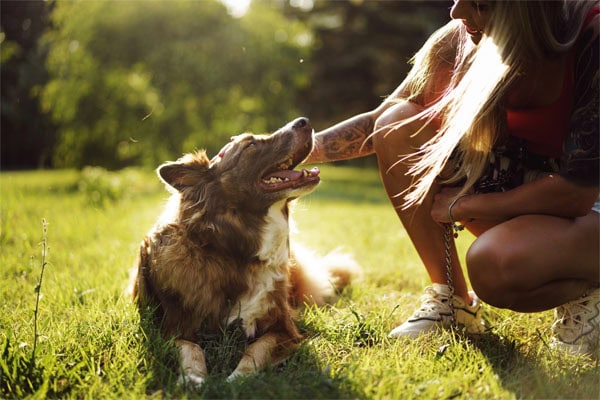
Paw licking isn’t just a random habit, it’s a form of communication. Sometimes it’s completely normal, but other times it’s your dog’s way of signaling that something isn’t quite right.
The key is paying attention to patterns. Occasional licking is harmless, but frequent or persistent licking usually points to an underlying issue. Remember, you know your dog best. If something seems abnormal, talk to your dog’s veterinarian.
By noticing changes early and addressing the cause, you can help your dog feel better sooner and continue living his or her best life.
Why does your dog lick his or her paws?
Please comment below