Leptospirosis in dogs (lepto) is a serious bacterial infection that commonly targets the kidneys and liver, and poses a risk for city dogs as well as country dogs, and their parents too. Integrative veterinarian Dr. Julie Buzby explains how leptospirosis is transmitted, the symptoms to watch for, and what the diagnostic process involves. Then she discusses the treatment and prognosis for leptospirosis in dogs and what you can do to help protect your beloved companion.
As a veterinarian, there are certain diagnoses that immediately make my mind start racing through a long checklist of possibilities, precautions, and difficult conversations. “Leptospirosis” is one of them.
Over the years, I have cared for many dogs with vague symptoms like lethargy, vomiting, loss of appetite, and fever. As I worked through these dogs’ histories and physical exams, leptospirosis would sometimes creep higher on my differential diagnosis list. The moment it reached the top, I knew I was opening a can of worms.
The possibility of leptospirosis meant taking extra precautions like donning gloves, gowns, and eye protection when caring for the patient. It also meant we would need to consider a series of diagnostic tests that were complex and costly.
And, perhaps most challenging of all, I would need to sit down with worried pet parents and explain that this wasn’t just a disease that could affect their beloved canine companion. It could also pose a risk to the remainder of their family members, both furry and human alike.
What is leptospirosis in dogs?
Leptospirosis is an infectious disease that causes kidney and liver damage, flu-like symptoms, bleeding disorders, or other vague signs in dogs. It is most commonly spread via infected urine, and can also affect people and a wide range of other animals.
Leptospirosis is caused by a bacteria called Leptospira. These bacteria belong to a group known as spirochetes, which are long, thin, corkscrew-shaped organisms. They thrive in warm, moist conditions. And they can survive for weeks to months in standing water, wet soil, and other damp areas.
Not all Leptospira bacteria are created equal. Scientists have identified hundreds of different varieties, known as serovars. Some serovars are more commonly associated with disease in dogs, while others are more likely to infect different animal species.
Adding another layer of complexity, some Leptospira strains are pathogenic, meaning they can cause disease. Others are non-pathogenic and do not make animals or people sick. When veterinarians talk about leptospirosis, we are referring to infection with the pathogenic strains that can invade the body and lead to illness.
Leptospirosis is also considered the most common zoonotic disease in the world. The term “zoonotic” means that the disease is transmissible between animals and humans. It’s important to know that transmission from dogs to people is relatively uncommon. And there are practical steps veterinarians recommend to minimize the risk.
However, the zoonotic nature of leptospirosis is one reason veterinarians take suspected cases so seriously and may recommend additional precautions while testing and treating affected dogs.
How do dogs get leptospirosis?
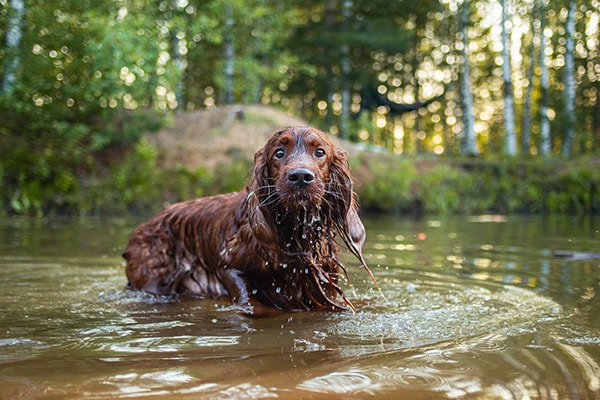
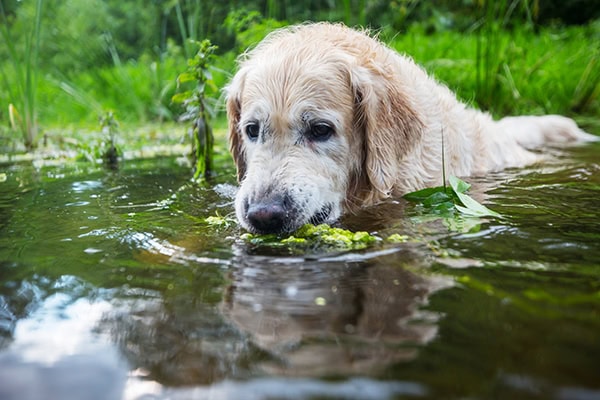
Dogs become infected with leptospirosis when they come into contact with pathogenic Leptospira bacteria in the environment. Most often, this happens when a dog drinks from, swims in, or walks through water contaminated with the urine of an infected animal. The bacteria can enter the body through the mouth, nose, eyes, or even through small cuts or abrasions in the skin.
A variety of wild and domestic animals can carry and spread Leptospira bacteria. But rodents, especially rats and mice, are among the most important reservoirs. A reservoir host is an animal that carries the bacteria, often without becoming seriously ill themselves, and then sheds it into the environment where it contaminates soil, water, etc.
Rodents are particularly effective at spreading leptospirosis because they can harbor the bacteria in their kidneys for long periods of time and continuously shed it in their urine. Other animals that can serve as reservoirs of leptospirosis include raccoons, possums, skunks, deer, livestock, and occasionally other dogs.
Which dogs are at risk for lepto?
Historically, veterinarians considered leptospirosis primarily a disease of large-breed, male, working, sporting, and herding dogs in more rural settings. However, studies over the last two decades have revealed a significant shift. In one large study of canine leptospirosis cases in North America, dogs weighing less than 15 pounds had the highest odds of diagnosis during the most recent decade studied. And Yorkshire Terriers emerged as one of the breeds most commonly represented among affected dogs.
This shift in which dogs are considered at risk is also reflected in the most recent leptospirosis consensus guidelines developed by experts in the American College of Veterinary Internal Medicine (ACVIM). These guidelines emphasize that all dogs are potentially at risk for leptospirosis.
Rodents thrive wherever people live. And if infected rodents are present, they can contaminate puddles, drainage areas, dog parks, and other environments that dogs encounter every day. A Yorkie who spends time in a suburban backyard or walks through a city park may encounter the same contaminated environment as a Labrador Retriever exploring a hiking trail.
Fortunately, awareness is one of our best tools. Understanding how leptospirosis spreads allows you and your veterinarian to make informed decisions about prevention. And knowing how it affects the body helps you recognize potential warning signs early if illness develops.
What are the leptospirosis symptoms in dogs?
The symptoms of leptospirosis in dogs can vary tremendously from one dog to another. This is one of the reasons leptospirosis can be such a challenging disease to recognize. Some dogs develop only mild signs of illness, while others become critically ill. Ultimately, the severity of illness depends on several factors, including the infecting serovar, the dog’s immune response, vaccination status, and how quickly treatment is started.
After gaining access to the body, pathogenic Leptospira bacteria quickly spread through the bloodstream. As they multiply, they travel to various organs and tissues, with a particular affinity for the kidneys and liver. When they set up shop, they can cause widespread inflammation and tissue damage. Since the incubation period of leptospirosis is 5-7 days, dogs start showing symptoms about a week after infection.
One clinical pearl that many veterinarians learn from experience is that there is no such thing as a “typical” leptospirosis patient. Kidney disease and liver disease are classic hallmarks of infection. But some dogs present with bleeding disorders, or vague flu-like symptoms instead.
Possible signs of lepto
Because leptospirosis can affect multiple organ systems, there is quite a laundry list of potential symptoms, including:
- Decreased energy: Your dog may seem worn out or show other signs of being a lethargic dog.
- Loss of appetite: Dogs who don’t feel well tend to not eat well.
- Muscle pain: The dog may be more reluctant to move or have trouble getting comfortable.
- Fever: If you take your dog’s temperature, it may be over 103°F, which is classified as a fever.
- Vomiting: Some dogs will be nauseous or vomiting and may vomit up blood.
- Diarrhea: Dog diarrhea with blood or other types of diarrhea may occur.
- Increased thirst (polydypsia): You may need to fill the water bowl more often.
- Increased urination (polyuria): The dog may be asking to go out more often due to higher urine volume.
- Decreased urination (oliguria) or lack of urination (anuria): Severe kidney damage may greatly hinder urine production.
- Abdominal discomfort: Stretching, play bowing, or other signs of abdominal pain may occur.
- Weakness: The dog may struggle to get up or tire rapidly.
- Jaundice: Due to liver dysfunction, dogs may have a yellow discoloration of the gums, skin, or whites of the eyes.
- Abnormal bleeding: You might notice bleeding gums, skin bruising, bloody urine, or dog nose bleeds.
- Coughing: Dogs may have a cough or start coughing up blood.
- Difficulty breathing: Sometimes the affected dog is breathing fast, gasping, or working hard to breathe.
- Collapse: Severely affected dogs may go down and be unable to rise again.
- Changes to the eyes: Conjunctivitis, uveitis in dogs, retinal detachment, or blood in the front of the eye may occur.
Contact the vet if you see these symptoms
If your dog develops any combination of these common clinical signs, especially if they seem to worsen over a day or two, it’s important to contact your veterinarian promptly. Should your dog happen to have leptospirosis, early diagnosis and treatment can significantly improve the chances that your furry family member will make a full recovery.
How will the vet diagnose a dog with lepto?
Diagnosing leptospirosis often involves embarking on a bit of a diagnostic journey. There is no single test that is perfect in every situation. And the best testing strategy often depends on when your dog became infected and how long they have been showing symptoms.
History and physical exam
The diagnostic process begins the same way it does for many diseases, with a thorough history and physical examination. Your veterinarian will want to know about your dog’s lifestyle, travel history, vaccination status, access to standing water, possible exposure to wildlife or rodents, and any recent changes you’ve noticed at home.
During the physical exam, your veterinarian may identify clues that increase their suspicion for leptospirosis. Some examples include fever, dehydration in dogs, abdominal discomfort, jaundice, or other evidence of kidney disease.
Baseline testing
Routine testing is often the next step. While these tests cannot definitively diagnose leptospirosis, they help veterinarians understand the severity of illness and guide treatment decisions.
- Blood tests for dogs may reveal elevated kidney values or high liver enzymes in dogs, signs of inflammation or dehydration, or changes in blood cell counts. If abnormal bleeding is a concern, the vet may also recommend coagulation testing.
- A urinalysis can provide valuable information about how well the kidneys are functioning. And it may identify abnormalities that support the suspicion of leptospirosis.
- Imaging such as an abdominal ultrasound or X-rays can help evaluate the kidneys, liver, and other abdominal structures.
Leptospirosis testing
To specifically look for leptospirosis, veterinarians typically rely on a combination of PCR testing and antibody testing.
Leptospira PCR
PCR (polymerase chain reaction) testing looks for genetic material from the Leptospirosa bacteria itself. Depending on the stage of infection, PCR can be performed on blood, urine, or both. Early in the disease, when the bacteria are actively circulating through the bloodstream, a blood PCR test may be more likely to detect infection.
Later, as the bacteria begin to localize in the kidneys and are shed into the urine, a urine PCR test may become more useful. Because timing matters so much, veterinarians often recommend submitting both blood and urine samples when possible.
Leptospira antibody titer
Another commonly-used test is an antibody titer, which measures your dog’s immune response to Leptospira bacteria. Instead of looking for the bacteria directly, this test looks for evidence that the immune system has recognized and responded to the infection.
One challenge with antibody testing is that a single titer result doesn’t tell the whole story. Dogs typically need two antibody tests performed several weeks apart. The vet will compare the results to see whether antibody levels are rising significantly over time. A substantial increase in antibody levels between the first and second sample provides strong evidence of recent infection.
Leptospirosis vaccination can add another layer of complexity to interpreting antibody titers. Vaccines work by stimulating the immune system to produce antibodies. Thus, recently vaccinated dogs may have measurable antibody levels even when they are not infected. This doesn’t mean antibody testing is useless in vaccinated dogs. But it does mean that the vet must carefully interpret the results along with your dog’s full clinical picture and any other test results.

If all of this sounds a bit complicated, that’s because it is. In many cases, the veterinarian is piecing together information from multiple sources rather than relying on a single “yes or no” test. All of this testing takes time.
Thus, if the vet strongly suspects leptospirosis, he or she will often start treatment before test results are even back. This helps avoid losing valuable time since an early start to treatment may improve your dog’s chances of recovery.
What is the treatment for leptospirosis in dogs?
Hearing that your dog may have leptospirosis can feel overwhelming. The encouraging news is that this is a disease where prompt treatment truly makes a difference.
Treatment has two main goals: eliminating the bacteria from your dog’s body and providing more general supportive care based on the dog’s symptoms and organ dysfunction.
Antibiotics
Because leptospirosis is a bacterial disease, antibiotics are the cornerstone of treatment. Doxycycline is the antibiotic of choice. However, sometimes the vet will start with alternative IV antibiotics that are less likely to cause gastrointestinal upset. Then he or she will prescribe oral doxycycline once the dog is feeling better and has a more reliable appetite.
Your veterinarian may also recommend giving the doxycycline with a small meal or following it with a bit of water. This can help reduce the risk of irritation to the esophagus or an upset stomach.
Doxycycline is especially important because it not only treats the infection but also helps eliminate Leptospira bacteria from the kidneys. This is a critical step because dogs can continue shedding bacteria in their urine even after they appear to feel better, potentially posing a risk to other animals and people.
As with any medication, it’s important to give doxycycline exactly as directed. Even if your dog seems to have made a full recovery, finishing the entire prescribed course gives your dog the best chance of completely clearing the infection.
Supportive care
The amount of supportive care a dog needs depends on the severity of the illness. It is possible to treat some dogs with mild disease at home, while others require intensive care in the hospital. The vet will commonly recommend hospitalization for dogs who are dehydrated, vomiting, or showing evidence of kidney or liver injury. During a hospital stay, your veterinary team can closely monitor your dog’s condition and adjust treatment as needed.
Supportive care may include:
- Intravenous (IV) fluids to correct dehydration and support kidney function
- Medications to control nausea and vomiting
- Nutritional support for dogs who are unwilling to eat
- Frequent bloodwork to track kidney function, liver function, electrolytes, and hydration status
Even after discharge, your veterinarian will likely recommend follow-up examinations and repeat bloodwork. These appointments allow the vet to ensure the dog’s kidneys and liver continue to recover as expected.
Of course, helping your dog recover is only one part of the picture. Because leptospirosis can spread to other animals and to people, it’s also important to take a few simple precautions at home while your dog is recovering.
How can you decrease the risks to people and other pets?
One of the reasons veterinarians take leptospirosis so seriously is that it is a zoonotic disease. The good news is that there are effective ways to minimize this risk of spread from dogs to their people.
Overall, transmission from dogs to people is uncommon. Most human cases of leptospirosis are linked to direct exposure to contaminated water or urine from wildlife or livestock, not from household pets. However, because infected dogs can shed Leptospira bacteria in their urine, it’s important to take the possibility of transmission seriously.
Thankfully though, after appropriate treatment, particularly with doxycycline, the risk of ongoing bacterial shedding and transmission decreases substantially.
Wear gloves, wash hands, and disinfect surfaces
After diagnosing your dog with lepto, the vet will discuss some important measures to help keep you safe.They may include wearing disposable gloves when cleaning up urine, washing your hands thoroughly afterward, disinfecting any contaminated surfaces, and trying to avoid contact with dog urine in general. If possible, take your dog potty in an area where urine can drain away from places frequented by people or other pets. And don’t allow children to help with urine cleanup while your dog is recovering.
Consult your family doctor
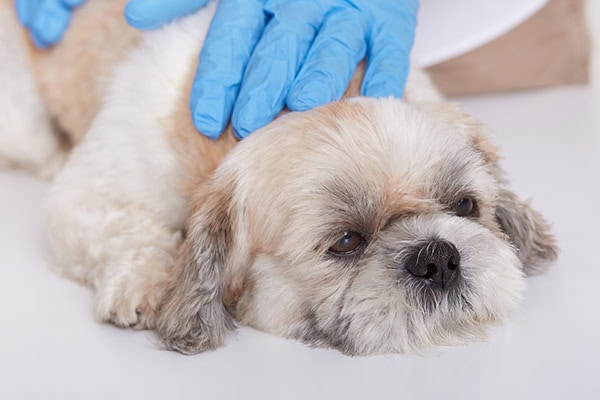
It is also a good idea to proactively touch base with your family physician to discuss their recommendations. He or she is the best person to assess your individual health risks, especially if someone in your household is pregnant, immunocompromised, or has another medical condition that may increase susceptibility.
And certainly, if you, a family member, or anyone who has had close contact with your dog develops flu-like symptoms such as fever, muscle aches, headache, vomiting, or jaundice, be sure to contact a doctor promptly.
Take steps to protect your other dogs
If you have multiple dogs, they are also at risk. It’s not because leptospirosis commonly spreads directly from dog to dog, but because the dogs likely share the same environment. If one dog became infected after encountering contaminated water or soil, another dog in the household may have been exposed to that same source.
The most recent (2023) ACVIM Leptospirosis Consensus Statement recommends that veterinarians evaluate other dogs in the household for possible exposure. Dogs who are showing any signs of illness should be examined and tested promptly. And even healthy dogs who shared the same environmental exposure may benefit from preventive treatment with doxycycline.
The most important takeaway is that a diagnosis of leptospirosis should prompt important risk mitigation conversations. But it doesn’t have to cause panic. By working closely with both your veterinarian and your physician, you can protect the health of your entire family, both two-legged and four-legged.
What is the prognosis for dogs with leptospirosis?
When I’m talking with families whose dog just received a leptospirosis diagnosis, they often ask if their dog will be ok. It’s a completely understandable question, and unfortunately, one that’s difficult to answer in the first few days of illness.
The good news is that many dogs recover with prompt diagnosis and aggressive treatment. Earlier studies reported survival rates of approximately 80%. And advances in supportive care—including dialysis at specialty hospitals—have continued to improve outcomes for many patients.
However, dogs who develop severe complications, particularly bleeding into the lungs (called leptospiral pulmonary hemorrhage syndrome), face a much more guarded prognosis, with reported mortality rates of up to 70%. Fortunately, this manifestation of leptospirosis is much less commonly reported in dogs than the classic signs of liver and kidney dysfunction.
Even after a successful recovery, some dogs have residual kidney dysfunction. The kidneys have an amazing ability to recover from injury, but they don’t always heal completely. Thus, some dogs will go on to develop chronic kidney disease in dogs (CKD) that may require long term monitoring, a specialized diet, or medication.
Ultimately, leptospirosis is a disease we take very seriously. But if your precious pup receives this diagnosis, there is plenty of reason to remain hopeful. With early recognition, appropriate antibiotics, and good supportive care, many dogs recover and return to living happy, active lives with their families.
As a veterinarian, there’s something especially rewarding about seeing a dog who was critically ill weeks earlier trot back into the exam room with their tail wagging. Those follow-up visits are a wonderful reminder of why prompt diagnosis and treatment matter so much.
How can you prevent leptospirosis in dogs?
When it comes to leptospirosis, prevention is far easier, and far less stressful, than treatment. It’s impossible to eliminate every potential exposure your dog may encounter. But vaccination and a few practical lifestyle measures can dramatically reduce the risk of this serious disease.
Leptospirosis vaccine
Today, vaccination is considered the cornerstone of leptospirosis prevention. In fact, the most recent ACVIM Leptospirosis Consensus Statement recommends that all dogs be considered at risk for leptospirosis and receive vaccination unless there is a specific medical reason not to do so. This represents an important shift from older recommendations that reserved the vaccine for only certain subsets of dogs.
Current leptospirosis vaccines protect against the four serovars of Leptospira that are responsible for most infections in dogs in North America. These vaccines provide excellent protection against the strains dogs are most likely to encounter. And even in the uncommon event that a vaccinated dog becomes infected, the severity of illness should be reduced.
Dogs receive the leptospirosis vaccination as an initial series of two doses, spaced several weeks apart. Then the vet will booster the lepto vaccine annually to maintain protection. Because immunity to leptospirosis doesn’t last as long as immunity to some other infectious diseases, keeping your dog’s vaccine up to date is an important part of ongoing protection.

What about lepto vaccine reactions or side effects in dogs?
If you’ve spent much time reading about leptospirosis online, you’ve probably come across concerns that the leptospirosis vaccine is more likely to cause vaccine reactions than other canine vaccines. This is one of those situations where older information has lingered even after the science has changed.
Early generations of leptospirosis vaccines were associated with a higher rate of adverse reactions. This was the case because they contained more extraneous bacterial proteins and cellular debris. Over the past two decades, vaccine manufacturers have developed much more sophisticated purification techniques that remove many of these unnecessary components while preserving the parts of the bacteria needed to stimulate protective immunity.
As a result, today’s leptospirosis vaccines are significantly more refined than those used years ago.
The safety data reflect these improvements. In one of the largest studies of canine vaccine safety, involving more than 1.2 million vaccine doses, researchers found that leptospirosis vaccines were no more likely to cause an adverse reaction than other commonly administered canine vaccines.
Possible side effects of the leptospirosis vaccine in dogs
That said, like any medical treatment, no vaccine is completely free of risk. Mild reactions, such as temporary soreness at the injection site, sleepiness, or a decreased appetite for a day or two, can occur. Serious allergic reactions are uncommon, and your veterinary team is well prepared to recognize and treat them should they occur.
When I weigh the risks and benefits with my clients, most of the time I come to the same conclusion reflected in the current consensus guidelines. For most dogs, the risk posed by leptospirosis itself is far greater than the risk associated with vaccination.
If you do have concerns, I encourage you to bring these up with your veterinarian. He or she knows you and your pup best and is perfectly suited to help you weigh the individual risks.
Other measures of protection from lepto
While vaccination provides the strongest protection against leptospirosis, a few simple habits can further reduce your dog’s chances of exposure.
Whenever possible, discourage your dog from drinking out of puddles, standing water, or stagnant ponds, especially after periods of heavy rainfall. Also, reduce environmental contamination by keeping rodent populations under control around your home and by promptly cleaning up areas that may attract wildlife.
By combining routine vaccination with practical environmental precautions, you can greatly reduce your dog’s risk of developing leptospirosis while still allowing him or her to enjoy all the adventures that make life fun.
Knowledge is power
I hope this article helps you feel informed rather than alarmed. Leptospirosis is certainly a disease we take seriously as veterinarians. But it is not a diagnosis that should leave you feeling helpless or hopeless. Many dogs recover well when the disease is recognized and treated early. And we also have an effective vaccine that can help protect many dogs from infection in the first place.
By understanding the risks, knowing what signs to watch for, and partnering with your veterinarian, you can make confident decisions to help keep both your furry and not-so-furry family members healthy and safe.
Has your dog been diagnosed with lepto?
Please comment below.

