
Finding a lump on your dog can be unnerving. Thankfully, if it is a sebaceous cyst, dog parents can rest a bit easier knowing this type of mass, while sometimes annoying or unsightly, is benign. Integrative veterinarian Dr. Julie Buzby explains what a sebaceous cyst looks like, why one might occur, and details the diagnostic and treatment process.
Can Dogs Have Ginger? A Vet’s Answer

Can dogs have ginger? Yes, but there are some important caveats. When given in the correct form and amount, ginger has many benefits and is safe for most dogs. Learn how ginger can help your dog, the forms of ginger that are—and aren’t—safe for dogs, the side effects to watch for, and which dogs shouldn’t have ginger. Integrative veterinarian Dr. Julie Buzby answers your questions.
IBS in Dogs: Irritable Bowel Syndrome Symptoms, Management & More

Irritable bowel syndrome (IBS) in dogs is triggered by stress and can cause a variety of GI signs such as diarrhea or a poor appetite. Integrative veterinarian Dr. Julie Buzby discusses the causes, symptoms, diagnosis, treatment, and prevention of IBS to hopefully reduce your dog’s chances of an IBS flare or support you though one that is already going on.
Aspiration Pneumonia In Dogs: Symptoms, Treatment, and Prognosis
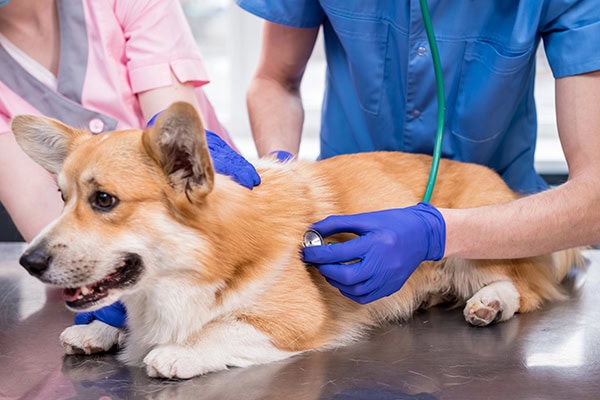
Aspiration pneumonia in dogs occurs when a dog accidently inhales food, water, or stomach contents, leading to inflammation and sometimes infection within the lung tissue. Integrative veterinarian Dr. Julie Buzby explains what puts dogs at risk for aspiration pneumonia, the symptoms to watch for, and how your veterinarian will diagnose and treat your dog. Plus she discussed the outlook for dogs with aspiration pneumonia and provides some prevention tips.
Diabetes in Dogs: Symptoms, Causes, Treatment (From a Vet)

Diabetes in dogs is a fairly common diagnosis, but that doesn’t make it any less overwhelming for dog parents. To help them really understand their dog’s condition, integrative veterinarian Dr. Julie Buzby created this handy guide for parents of diabetic dogs. In it, she explains the types, risk factors, symptoms, diagnosis, treatment, monitoring, and prognosis for diabetes in dogs.

