Natural supplement for dogs: Are they must-haves or marketing hype? As an integrative veterinarian, Dr. Julie Buzby has seen firsthand the difference natural supplements can make in the quality of her patients’ lives. Discover what “natural” means, and get the nitty-gritty on Dr. Buzby’s seven go-to natural dog supplements. Your dog will thank you for it!

The word “natural” gets thrown around a lot, including when talking about vitamins and supplements. So, it comes as no surprise that my clients ask me about natural supplements for dogs on a regular basis.
I’m happy to report that there are a variety of natural supplements that can help with arthritis, cognitive dysfunction, seizures, GI upset, allergies, and other common issues dogs face. But before you get out your credit card, it is essential to understand what a natural supplement is and which ones could be right for what ails your dog.
What is a natural supplement for dogs?
A natural supplement for dogs is a substance used to supplement the diet that must be derived from nature—not chemically manufactured—and free from artificial ingredients. This definition precludes artificial flavoring, coloring, preservatives, and anything else made in a laboratory from being present in notable quantities. However, the ingredients can undergo physical processing, heat processing, rendering, purification, extraction, hydrolysis, enzymolysis, or fermentation.

The FDA does not provide any guidelines on what constitutes “natural” for labeling purposes and does not approve pet supplements. Therefore, the definition of natural above is based on guidelines from the Association of American Feed Control Officials (AAFCO). This organization sets the standards for pet food in the USA.
It’s also important to remember that just because something is natural does not mean it’s good for your dog. Plenty of toxins are derived from nature and, therefore, are “natural,” too.
The best 7 natural supplements for dogs

I love senior dogs and have seen firsthand the difference supplements can make in their quality of life. Thus, I want to tell you about seven natural dog supplements that I think are some of the best.
Please remember, though, that this is not an exhaustive list. Your veterinarian may recommend a different supplement for your dog, and that’s great, too! I never want to take the place of your trusted vet who knows you and your dog best.
Check out this sneak peek of the supplements we will discuss. Then, if you would like to jump to a particular supplement, please take advantage of the table of contents below. Otherwise, read on for an in-depth tour of seven wonderful natural supplements for dogs.
- Omega-3 fatty acids: Helpful for arthritis, allergies, dementia, kidney and heart disease, and more.
- Green-lipped mussel: Supports joint health and reduces inflammation for dogs with arthritis, hip dysplasia, and other orthopedic conditions.
- New Zealand deer velvet: Has fantastic regenerative and joint health properties to help dogs with arthritis, hip dysplasia, and other joint problems.
- MCT oil: Great for dogs with dementia or seizures.
- Mushrooms (Lion’s Mane, Reishi, Cordyceps, Turkey Tail): Boosts immunity, supports the brain and other organs, fights cancer, and so much more.
- Colostrum: Provides an immune boost, supports the digestive system and skin, and helps reduce allergies, dental disease, and inflammatory conditions.
- Probiotics: Effective for stress colitis, managing food transitions, supporting the immune system, and maintaining gut health (especially after antibiotics).
- What is a natural supplement for dogs?
- The best 7 natural supplements for dogs
- 1. Omega-3 fatty acids for dogs: Best all-around natural supplement for dogs
- 2. Green lipped mussel: One of the best natural joint supplements for dogs with arthritis, hip dysplasia, or other orthopedic issues
- 3. New Zealand deer velvet: A helpful natural dog supplement for hip dysplasia, arthritis, or other joint problems
- 4. MCT oil: A powerful natural supplement for dog dementia and epilepsy
- 5. Mushrooms (Lion’s Mane, Reishi, Cordyceps, Turkey Tail): Boost brain power, fight cancer, and supercharge immunity
- 6. Colostrum: Immune system support for every life stage
- 7. Probiotics: Give your dog's gut health a boost
- Partner with your veterinarian
- Which natural supplement might be right for your dog?
1. Omega-3 fatty acids for dogs: Best all-around natural supplement for dogs
Omega-3 fatty acids for dogs are the best all-around natural supplement in my book. They earn this title because of their ability to positively impact every cell in your dog’s body. The polyunsaturated fatty acids eicosapentaenoic acid (EPA) and docosahexaenoic acid (DHA) found in omega-3s are “good” fats that help build and repair cell membranes.
However, like humans, dogs cannot produce these fatty acids on their own. They must consume them, either through their diet or through supplements. The latest research indicates it is optimal for dogs to have a higher level of omega-3 intake than most pet foods provide, which is where omega-3 supplements come in.

What are the benefits of omega-3 fatty acids for dogs?
Omega-3s benefit your dog’s skin, heart, kidneys, brain, and joints. I’ve recommended omega-3 supplements for many conditions, including:
- Allergies: Veterinarians have used omega-3 fatty acids for years as a natural skin and coat supplement for dogs. Plus, their anti-inflammatory properties can help calm itchy, irritated skin, making them a great natural supplement for dog allergies.
- Arthritis: Omega-3s are always on my short list of natural supplements for canine arthritis and other joint conditions. Their anti-inflammatory properties can help decrease the inflammation that plays a role in arthritis. Plus, they are great for joint health. Studies show that dogs with chronic osteoarthritis who are fed omega-3 fatty acids experience less pain and demonstrate an improvement in their arthritis.
- Kidney disease: Omega-3s may be able to slow the progression of some types of kidney failure in dogs and protect the kidneys against acute injury.
- Heart disease: Two great benefits of using omega-3s for heart disease in dogs include reducing the chances of arrhythmias and improving heart function.
- Cancer treatments: Omega-3s may have anti-tumor effects, making them a potential addition to the treatment plan for some cancers.
- Cognitive decline: Senior dogs with dementia may demonstrate an improvement in symptoms when taking an omega-3 supplement.
Note: Omega-3 supplements are part of the solution for all the conditions listed above, but they are not the sole solution. Your dog may still need allergy medicine for dogs, heart medication, pain medication, or other treatments.

How do I choose an omega-3 supplement for my dog?
When choosing a natural omega-3 supplement for your dog, I recommend using a high-quality fish oil supplement rather than one that provides omega-3s from a plant source. The omega-3s in fish oil are readily available for the dog’s body to use. On the other hand, accessing the omega-3s in plant-based products requires the dog’s body to convert a different fatty acid, alpha linoleic acid (ALA), to EPA and DHA—something dogs have a limited ability to do.
Secondly, consider the source of the ingredients, quality control measures, and whether the company tests for contaminants such as heavy metals. It’s also important to look at how much DHA and EPA it contains, as this can vary from product to product.
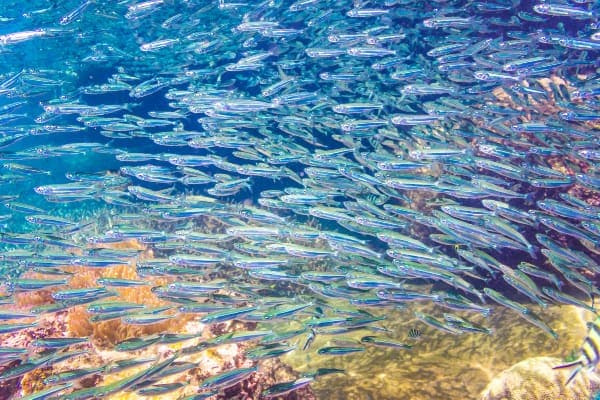
Nordic Naturals is the brand I recommend to my clients. The company offers Omega-3 Pet™ products in liquid and soft gelatin capsules that contain EPA and DHA harvested from cold-water fish like wild anchovy and sardines.

How long does it take to see the effects of a fish oil supplement?
Generally, most dog owners will see the results of an omega-3 supplement within several weeks. However, this can vary from dog to dog and condition to condition. For example, it is pretty easy to see a change in your dog’s itchiness or joint pain. But it is not so easy to tell if it is helping your dog’s kidneys or heart.
Interestingly, a study on the duration of effects of dietary fish oil supplementation in dogs showed that EPA levels remained elevated for three weeks and DHA levels remained elevated for seven weeks after stopping fish oil supplementation.
2. Green lipped mussel: One of the best natural joint supplements for dogs with arthritis, hip dysplasia, or other orthopedic issues
The next pick on my list of best natural supplements for senior dogs is green lipped mussel for dogs. These mussels are unique to New Zealand’s coastline, and as the name implies, they have a bright green band around the shell’s opening.

What are the benefits of green lipped mussel for dogs?
Green lipped mussel (GLM) is the quintessential natural joint supplement for dogs because it is rich in many beneficial compounds. It is a great choice for:
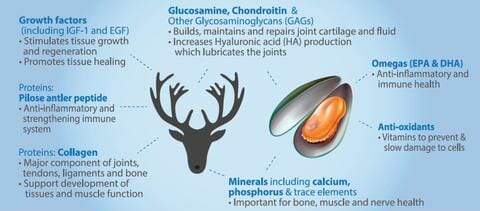
- Decreasing joint inflammation: Green lipped mussel is packed full of restorative compounds like the omega-3 fatty acids, EPA and DHA, discussed above. This makes it wonderful for reducing inflammation in the joints. Plus, GLM contains a bonus omega-3 fatty acid, eicosatetraenoic acid (ETA), which gives it extra anti-inflammatory properties.
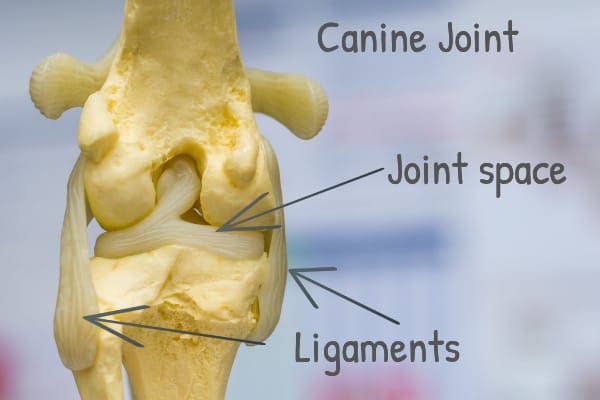
- Repairing cartilage: GLM is also rich in two glycosaminoglycans (GAGs), glucosamine and chondroitin. These structural building blocks are necessary for synthesizing and repairing joint cartilage, which is important since cartilage damage can be a feature of arthritis and other orthopedic issues.
- Lubricating joints: Another GAG found in green lipped mussel, hyaluronic acid, is the main component of synovial fluid—a syrupy fluid that lubricates the joints to make motion more efficient and comfortable. Since the concentration of hyaluronic acid in the body decreases with age, GLM gives it a much-needed boost.

How do you pick a green lipped mussel supplement for dogs?
One of the keys to finding a good green lipped mussel supplement is to pick one that is sustainably sourced from New Zealand. Plus, it is important to read the label to determine how much green lipped mussel is actually in the product.
How soon will you see the effects of green-lipped mussel?
Some dogs may show an improvement within a few days of starting a GLM supplement. Other times, it may take a week or so, or potentially up to 30 days, to see the full effects.
However, keep in mind that while a natural joint supplement is an excellent starting point, dogs with arthritis may also need pain medication or alternative medicine approaches (e.g., laser therapy for dogs) to provide additional pain relief.
3. New Zealand deer velvet: A helpful natural dog supplement for hip dysplasia, arthritis, or other joint problems
In my view, the other best natural supplement for dogs with joint problems is New Zealand deer velvet (NZDV) for dogs. It comes from the humanely harvested new growth antler of two species of deer, and is the only quality renewable source of glucosamine, chondroitin sulfate, collagen, and hyaluronic acid. It is also full of growth factors.
What are the benefits of New Zealand deer velvet?
New Zealand deer velvet has many qualities that make it a fantastic natural joint supplement for dogs.
- Promotes joint health: NZDV contains the GAGs glucosamine, chondroitin, and hyaluronic acid, which help lubricate joints and provide cartilage building blocks.
- Supports connective tissues: New Zealand deer velvet contains collagen, a protein found in tendons, ligaments, skin, muscle, cartilage, and bone. It is the adhesive holding the connective tissues together. As dogs (and people) age, they lose collagen. Thus, supplements containing collagen can help support muscle function and tissue development.
- Has regenerative properties: The other key ingredient in deer velvet is a growth factor formally called “insulin-like growth factor 1,” or IGF-1. Antlers are the fastest growing mammalian tissue, regrowing rapidly year after year. Growth factor is what allows this to happen. The regenerative property of deer velvet, thanks to IGF-1, is a wonderful gift for older dogs with arthritis, hip dysplasia, and other joint issues.
How do you find a good New Zealand deer velvet supplement?
I recommend purchasing a deer antler velvet product from New Zealand. New Zealand is free from several important diseases that can be transmitted through tissues (such as chronic wasting disease). Also, New Zealand has rigorous standards for harvesting deer velvet, which means you can feel confident that it was ethically farmed and humanely harvested. The same can’t always be said for deer velvet from other countries.
How soon will you see the effects of New Zealand deer velvet?
Like green lipped mussel, some dogs respond to deer velvet supplements rapidly—within a matter of days or weeks. Others may take closer to a month to see the full effects. As with green lipped mussel, some dogs with painful joint conditions may need medications or additional sources of natural pain relief for dogs, too.
Where can I find green lipped mussel and New Zealand deer velvet for dogs?
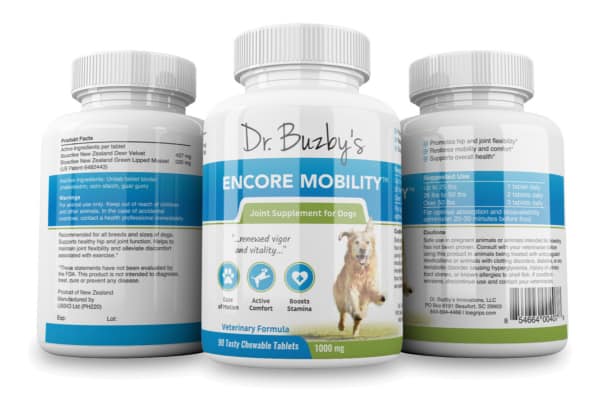
One of my all-time favorite natural supplements for senior dogs that combines the power of New Zealand deer velvet and green lipped mussel is Dr. Buzby’s Encore Mobility™ hip and joint supplement.
Not only do I recommend it for dogs with hip dysplasia in dogs, arthritis, intervertebral disc disease (IVDD in dogs), and torn ACL in dogs, but I also recommend it for my senior patients who need a little dip in the fountain of youth. It’s one of my favorite tools in my toolkit to help senior dogs feel good enough to re-engage in life’s adventures.
Save 10% on Encore Mobility™ Joint Supplement for Dogs
Give your dog more good days.
Use promo code HAPPY to save 10% on Encore Mobility.
4. MCT oil: A powerful natural supplement for dog dementia and epilepsy
The next natural dog supplement on this list is medium-chain triglycerides. MCTs are a class of fatty acids that have shown great promise in managing canine cognitive dysfunction (dog dementia) and canine epilepsy. MCTs occur naturally in many foods, including palm kernel and coconut oils. As a class, they range in size from six to twelve carbon atoms, with caprylic (C8) and capric (C10) being the most beneficial for dogs’ brain health and cognition.
What are the benefits of MCT oil for dogs?
MCT oil for dogs has many wonderful properties, including:
- Providing an alternative source of fuel for the aging dog’s brain: As dogs age, they lose the ability to efficiently break down glucose for energy. This leads to the “brain fog” and confusion that often accompany doggy dementia. MCTs are absorbed directly from the intestinal tract into the vessels of the liver, where they are broken down into ketone bodies (specifically, beta-hydroxybutyric acid). These ketone bodies easily cross the blood-brain barrier, providing a simple to use alternative energy source for the brain’s vital functions.
- Protecting neurons from inflammation and damage: Neuronal damage can occur due to any number of insults, including trauma, toxins, infection, and metabolic imbalances. Once neurons become damaged, their ability to efficiently transmit information between the brain and the nervous system declines. MCTs support the repair of damaged neurons, allowing for smooth signal transmission and delaying the onset of brain fog.
- Supporting new neuronal growth: Like all cells in the body, neurons can become old and dysfunctional over time. MCTs support the development of new neurons. This helps the nervous system continue to function as dying neurons are replaced with new, healthy nerve cells.
- Promoting the increased production of mitochondria and therefore more energy: Think of mitochondria as cylinders in a car engine. The more mitochondrial cylinders present, the more power the “engine” (in this case, the brain) has to function efficiently.
- Decreasing frequency and severity of seizures: MCT oil helps block activation pathways that can lead to neuron hyperexcitability and a seizure episode. This is different than traditional anti-seizure medications, which stimulate the inhibitory pathways of the brain, potentially causing unpleasant side effects like lethargy, confusion, and trouble walking.
How soon can you expect to see the effects of MCT oil?
As with any new supplement, we recommend slowly increasing the amount of MCT oil over about two weeks. Gradually increasing the serving size until you’ve achieved the maintenance amount suggested for your dog’s body weight allows his or her digestive system to adapt.
Once you’ve reached the full dose, you should begin to see improvement in your dog’s cognitive abilities within two to four weeks. However, some dogs who are showing many signs of dementia in dogs may also require medications or lifestyle changes in addition to MCT oil. All of those pieces can contribute to lessening the effects of dementia.
For epileptic dogs, the goal of MCT oil is to lessen the frequency and severity of seizure episodes. Therefore, the time to reach this desired level of neurologic stabilization will vary depending on the individual dog.
Ideally, your dog should be able to enjoy a longer interval between episodes and less intense symptoms during the seizure event. In some cases, dogs may even experience a complete cessation of seizure activity. Keep in mind, though, that MCT oil is not a replacement for traditional anti-epileptic therapy. Instead, it works in conjunction with anti-seizure medications.
How do you find a good MCT oil supplement for dogs?
A high-quality MCT oil should be a cold-pressed, refined coconut oil product containing only caprylic (C8) and capric (C10) acid. There are supplements on the market that also contain lauric (C12) acid. Unfortunately, lauric acid has been associated with digestive upset and pancreatic inflammation in dogs with a history of gastrointestinal issues. Because of this, we recommend carefully checking the labels to ensure the MCT oil supplement you pick contains only C8 and C10.
My search for a high-quality MCT oil supplement for dogs ultimately led me to create Dr. Buzby’s Brain Boost™ organic MCT oil for dogs. It is derived from cold-pressed, organic coconut oil and contains only caprylic (C8) and capric (C10) acids. Brain Boost has no funky odor, artificial flavorings, dyes, or preservatives. This, plus the whisker-licking good taste, makes it an easy addition to any dog’s daily mealtime routine.
5. Mushrooms (Lion’s Mane, Reishi, Cordyceps, Turkey Tail): Boost brain power, fight cancer, and supercharge immunity
Mushrooms can be considered one of the original natural supplements. Their use in many ancient cultures dates back centuries. But modern-day use of mushrooms for medicinal purposes gained traction in the late 1920s.
The appearance of the different mushroom species is very diverse, and in some cases, just plain weird. For example, one species of cordyceps mushrooms (Cordyceps sinensis) grows exclusively on the heads of Lepidoptera moth caterpillars native to the Himalayas!
What are the benefits of the various medicinal mushrooms for dogs?
The benefits of medicinal mushrooms are as varied as their appearance.
Lion’s Mane

This pillowy-looking mushroom very much resembles its common name. Lion’s mane mushrooms have gained popularity for their brain health benefits, including enhanced focus and improved cognitive function. They contain two very important compounds, hericenones and erinacines. These substances protect existing neurons from damage. Plus, they stimulate the production of nerve growth factor to help new neuron pathways form.
Other reported benefits of Lion’s mane include mood enhancement, anxiety relief, more restful sleep, and immune system, heart, and digestive tract support.
Reishi

Also known as the ‘mushroom of immortality’, reishi mushrooms contain hundreds of bioactive compounds that work together to support immune health and help dogs stay healthy. Of those compounds, the two that seem to provide the most benefit are polysaccharides and triterpenoids.
Reishi mushrooms have also been credited with balancing blood sugar levels and supporting bladder, heart, and respiratory health.
Cordyceps

Cordyceps mushrooms have significant anti-tumor properties and are credited with supporting heart and liver health. They can be cultivated in a controlled environment, making them an affordable option to include in supplements.
Turkey Tail

Brilliantly colored Turkey Tail mushrooms have become increasingly valuable as a supplement because of their anti-tumor properties. More specifically, veterinarians have found that Turkey Tail can be very beneficial in extending the life expectancy in cases of hemangiosarcoma in dogs.
They also minimize the unpleasant side effects of chemotherapy and radiation. Plus, Turkey Tail provides anti-inflammatory effects for disorders of the lungs, digestive tract, and urinary system.
How do you find a good mushroom supplement for dogs?
It’s very important to do your due diligence and research your options before purchasing a mushroom supplement for your dog. As with other supplement classes, the quality of the product can be wildly different than the claims on the label. It’s common for lesser quality mushroom products to contain little or no active compounds.
Ideally, you want to look for products that state they are derived solely from the mushroom’s fruiting body rather than having mycelium as the primary ingredient. The fruiting body is the visible mushroom. On the other hand, the mycelium is the fibrous, vegetative portion that sends nutrients to the fruiting body from beneath the growth substrate.
Mushroom supplements should carry USDA organic and/or non-GMO certifications. And they should clearly state on the label whether or not the product undergoes independent, third-party testing. Reputable products will be able to back up these claims.
Verified supplements usually have a higher price point than those that do not undergo testing and meet certification standards. But remember, you get what you pay for!
You should also consider the dosing strength and formulation that best suits your dog. Supplements can come in various preparations, including capsules, powders, chewable gummies, and tinctures.
Dosing recommendations will often be included on the label. However, if you have questions about the right dose for your dog, discuss this with your veterinarian before finalizing your purchase.
How soon can you expect to see the effects of mushroom supplementation on your dog?
Depending on the formulation of the mushroom supplement you choose, positive effects may not be evident at first. Every dog responds differently to medications and supplements, just like humans. Thus, the goal with mushroom supplements is to see improvement over time.
This could look like reduced anxiety and better sleep in a dog with cognitive dysfunction. Or it may be a more consistent stabilization of blood sugar levels in the case of diabetes in dogs. Improvements in heart, liver, and bladder health may not necessarily be evident at home. Instead, your veterinarian may see changes on periodic blood tests for dogs or urinalyses.
6. Colostrum: Immune system support for every life stage
You’ve undoubtedly heard of colostrum—the nutrient-rich fluid produced by the mammary glands in the initial post-partum period. Colostrum is vital for newborn puppies, providing antibodies, growth hormones, and other important nutrients to support their first weeks of life. These components boost the immune system and help protect against diseases before a puppy’s first set of vaccines.
However, bovine colostrum is also gaining popularity as a natural supplement for dogs—and for good reason.
What are the benefits of colostrum for dogs?
Colostrum is an excellent supplement for dogs of any age because it:
- Boosts immunity to bacterial and viral pathogens: Adult and senior dogs cannot absorb antibodies (immunoglobulins) like newborns. However, colostrum can protect against infection by supplying immunoglobulins to boost the body’s natural immune response.
- Supports healthy gut microflora: Colostrum supplementation can relieve diarrhea. And it helps restore populations of good gut bacteria for dogs who have recently been on antibiotics.
- Possesses anti-inflammatory properties: Colostrum can protect senior dogs against conditions that involve inflammation and degeneration of healthy tissues. Some examples include arthritis, heart disease, digestive issues, certain cancers, and metabolic diseases like diabetes.
- Protects the oral cavity against periodontal disease: Senior dogs are at risk for dental disease in dogs. The broad category “dental disease” includes an older dog losing teeth, gum inflammation, and bacterial infections that move from the oral cavity to other body systems. Colostrum can help counteract the effects of dental disease by boosting the body’s immune response to mouth bacteria. However, it is important to remember that it is a complement to regular home tooth-brushing, use of dental products approved by the Veterinary Oral Health Council (VOHC), and veterinary dental cleanings, not a substitute for those things.
- Supports skin and coat health: Colostrum provides anti-inflammatory support for allergic dogs. It helps ease the itch and rashes associated with allergic skin conditions. Some preparations can even be applied topically to aid in wound healing.
- Preservation of lean muscle and bone health: Senior dogs are at risk for losing muscle mass and healthy bone density. Colostrum can aid in maintaining healthy, lean muscles and optimal bone density, preserving muscle strength and supporting mobility.
How do you find a good colostrum supplement for dogs?
It is essential to do your due diligence when researching the best colostrum options for your dog. Most commercial supplements contain bovine colostrum, ideally sourced from pasture-raised herds. Brands should state on their labels that they are independently third-party tested. This assures that the colostrum doesn’t contain bacteria, heavy metals, or other potentially toxic contaminants.
Ideally, the label should also indicate if the collected colostrum was from a first milking, as the immunoglobulin levels in the first 24 hours’ worth of colostrum are much higher than what is produced in subsequent days. Finally, look for information on how the supplement was prepared. Freeze-dried products will maintain higher levels of usable immunoglobulins than steam or heat-processed products.
You can purchase colostrum in many forms, including powders, capsules, chewable treats, and liquid suspensions.
How long before you will see the effects of colostrum on your dog?
Colostrum supplementation probably won’t give you the “AHA!’ moment you might expect with MCT oil or green-lipped mussel. Instead, you should see a general improvement in your dog’s mobility, consistency in their stool quality, and a healthier appearance to their skin and coat.
Colostrum supplementation is a marathon, not a sprint. But the benefits over time will make themselves evident as your dog ages gracefully into his or her golden years.
7. Probiotics: Give your dog’s gut health a boost

Last but not least on my list of favorite natural supplements for dogs are probiotics. These little microbes are vital for healthy gut function. They live in the gastrointestinal tract by the billions, helping the body with critical functions such as food digestion, defense against harmful pathogens, and production of essential vitamins and nutrients.
You can find live cultures of probiotics naturally in healthy human foods like yogurt, kefir, and sauerkraut. But they are also readily available for dogs in powders, capsules, chewable treats, and many types of commercial dog food.
What are the benefits of probiotics for dogs?
Probiotics have numerous benefits for normal gut function and in the face of stress and illness, including:
- Minimizing digestive upset with diet disruptions (planned or unplanned): Probiotics can be very helpful for dogs who are undergoing a planned diet transition (from regular diet to a prescription diet, for example). And they are great for those dogs who stumble upon a gold mine of things they shouldn’t eat but do—cat food, cat poop (any poop, for that matter), table scraps, or any items they can pilfer from an uncovered trash can.
- Alleviating stress colitis: Many dogs become stressed after a stay at a boarding kennel or following hospitalization. This stress often disrupts the normal bacteria in the gut, leading to diarrhea and digestive upset (stress colitis in dogs). Probiotics can help combat those bacterial changes.
- Replenishing gut microflora following an antibiotic regimen: Antibiotics destroy bacterial organisms that exist in unhealthy populations in the body. Unfortunately, some antibiotics can also inadvertently destroy normal populations of good bacteria that aid in digestion in the process. This is why you may see mild or transient diarrhea in a dog who recently started a course of oral antibiotics.
- Supporting gastrointestinal function in chronic GI conditions: Dogs with inflammatory bowel disease (IBD in dogs) and other chronic conditions experience ongoing irritation to the mucosal lining of the intestinal tract. This interferes with the good bacterial populations that should be present in the gut to help with digestion. However, probiotics can lessen the impact of those conditions on a dog’s digestive health.
- Providing immune support: Recent anecdotal evidence shows that probiotics are important to the “gut-skin axis” (connection between gut health and skin health). They boost the immune system of dogs with allergies, reducing inflammation and enhancing the skin’s protective barrier against allergens.
How do you find a good probiotic supplement for dogs?
An easy way to find a good probiotic supplement for your dog is to consult your veterinarian. Many vets keep probiotics on hand for boarding or post-surgical patients. Thus, you can often purchase them at your regular veterinary clinic.
Alternatively, if you want to do your own research, look for supplements that contain several strains of bacteria, most commonly:
- Lactobacillus sp.
- Enterococcus sp.
- Bifidobacterium sp.
- Streptococcus sp.
- Saccharomyces sp.
You should also pay attention to the concentration of the strains (usually listed on the label as CFU or colony-forming units). The ideal concentration should be 5-15 billion CFU/g.
When will you see the effects of a probiotic supplement on your dog?
Most probiotics begin working within 24-72 hours of initiating therapy. Typically, you give them to your dog for 7-14 days, depending on the brand. Probiotics can also be given long-term, as we see with the advent of their inclusion in many diet formulations.
However, every dog responds differently to probiotics, as with any medication or supplement. Plus, they are not the solution for every digestive issue. Thus, if you are not seeing improvement in your dog’s digestive upset after a few days or if your dog’s symptoms worsen or become severe, please contact your veterinarian. He or she can advise you about whether making an appointment or trying a different brand of probiotic or other at-home treatment would be best.
Partner with your veterinarian
Keep in mind, supplements are just that—supplemental products to bolster the efficacy of preventive health measures and treatment for various conditions. Natural supplements have so many amazing benefits and they are one of my favorite tools. But there are also many conditions that simply cannot be resolved with supplements alone. Your veterinarian can help you determine whether supplements, medications, or a combination of both are best for your dog.
Additionally, you should always consult your veterinarian before adding a new supplement to your dog’s regimen. This is especially important if your dog is also on regular prescription medications. Speaking with your vet allows him or her to verify that the intended supplement will not interact poorly with any other medications or supplements your dog is taking.
Finally, remember that when it comes to the best natural supplements for dogs, do your research and only buy from established and reputable companies. The importance of using high-quality natural supplements cannot be overstated when it comes to helping your dog live his or her best and healthiest life.
Which natural supplement might be right for your dog?
Please comment below.
This post was originally published on January 21, 2021 and updated on May 5, 2025.


It’s crucial to emphasize that supplements should not be used as a substitute for a balanced and complete diet.
Hi leap years,
Yes! Supplements are just as their name states…. they supplement the diet or help to improve it. A well balanced, nutritionally complete diet is essential to health and well-being.