Sepsis in dogs is a life-threatening condition in which the immune system goes overboard in its response to an infection. This results in widespread inflammation that can damage organs, disrupt blood flow, and lead to shock. Integrative veterinarian Dr. Julie Buzby explains what causes sepsis in dogs, how to recognize the early warning signs, how it’s treated, and possible outcomes.

If you are a fan of medical dramas like me, then you know when a doctor mentions sepsis, everyone pays attention. And this is for good reason, namely that sepsis is a serious, life-threatening condition in humans where time is of the essence. Unfortunately, the same is true for our beloved dogs.
As a veterinarian, I’ve seen how something that started as minor (i.e., a wound, dental infection, cough, or upset stomach) can escalate into something far more serious—sepsis. Yet I’ve also seen how early recognition and prompt treatment can dramatically improve outcomes.
Learning that your furry family member already has or might be susceptible to such a scary illness may feel unnerving. But for devoted dog parents like you, understanding the details can make all the difference.
What is sepsis in dogs?
In the simplest terms, sepsis is the body’s overwhelming and dysregulated inflammatory response to infection. Instead of mounting a controlled, targeted defense against bacteria (or other disease-causing organisms), the immune system goes into overdrive and releases inflammatory signals throughout the entire body.
Without prompt and aggressive treatment, the result can be a cascade of serious complications, including poor tissue oxygen delivery, abnormal clotting, and ultimately, organ failure.
One of the most important things to understand is that sepsis isn’t just “a bad infection.” It’s the body’s overreaction to that infection that makes it so dangerous.
Important terminology surrounding sepsis
To really make sense of sepsis and some of the language your veterinarian may use when discussing it with you, it helps to understand a few closely related terms:
Septicemia (bacteremia)
Septicemia (bacteremia) is the presence of bacteria circulating in the blood. This can happen transiently, even after something like dental work. Importantly, a dog can have bacteremia without sepsis. But bacteremia can lead to sepsis if the body mounts an excessive systemic response.
Bacteremia can also be hard to test for, so you don’t need a positive blood culture (confirmed bacteremia) to meet the criteria for sepsis.
Septic shock
Septic shock is a severe and advanced stage of sepsis. It occurs when a dog’s blood pressure drops and does not come back up with fluid therapy. This means that tissues don’t receive enough oxygen. And without treatment, organs such as the kidneys, liver, and brain begin to fail.
Systemic inflammatory response syndrome (SIRS)
Systemic inflammatory response syndrome (SIRS) describes an inflammatory state throughout the body (rather than being localized in the area where the inflammation started) that can be triggered by many things, not just infection. It can also be present from non-infectious causes like trauma, pancreatitis in dogs, heat stroke in dogs, and immune-mediated disease.
SIRS has a very specific list of clinical criteria. In dogs, the diagnosis of SIRS is based on fulfillment of at least two of the following:
- Elevated or decreased body temperature
- Increased heart rate
- Increased respiratory rate
- Abnormal white blood cell counts (either too low or too high)
Sepsis
Sepsis is SIRS combined with either a confirmed or suspected infection.
To further clarify the subtle differences in these definitions, all septic patients will show systemic inflammation (SIRS). But not all patients with SIRS are septic (for example, dogs with traumatic injuries or pancreatitis).
Understanding these terms gives you a clearer picture of the language around sepsis. And it explains why this condition can escalate so quickly and affect so many body systems.
How does sepsis occur?
In sepsis, two things begin to happen at once:
- The bacteria (or other disease-causing organisms) enter the bloodstream from the original site of infection.
- The immune system’s response goes overboard and is no longer controlled and appropriate.
To understand how sepsis happens, it helps to start with something familiar: a localized infection. Maybe it’s a urinary tract infection, a bad case of pneumonia, or even a deep wound.
Under normal circumstances, your dog’s immune system does an impressive job identifying the infectious invader, sending white blood cells to the area, and containing the problem. But sometimes, the immune response starts getting out of control, and bacteria make their way into the bloodstream.
Consequences of sepsis (septic shock, DIC, and organ failure)
In a scenario akin to a runaway train, more and more inflammatory signals are released that have widespread effects on all sorts of different body systems. These inflammatory signals can cause the blood vessels to relax, leading to low blood pressure and septic shock.
These same inflammatory mediators can also cause tiny blood clots to form throughout the body. This leads to a life-threatening complication of sepsis, known as disseminated intravascular coagulation, or DIC.
These dilated blood vessels and microclots can mean that even if the heart is working hard, blood may not be reaching vital organs effectively. The kidneys, liver, lungs, and brain are especially sensitive to changes in oxygen and blood flow. So, as sepsis progresses, these organs are often the first to show signs of failing.
Now you can see that while the infection may have started in one place, the body’s response is what turns it into a full-body crisis.
What causes sepsis in dogs?
Some of the most common sources of sepsis in dogs include:
- Pyometra (infection in the uterus): Pyometra in dogs is a common and serious cause of sepsis in unspayed female dogs.
- Gastrointestinal disease: Conditions like acute hemorrhagic diarrhea syndrome (AHDS, previously known as hemorrhagic gastroenteritis or HGE in dogs), parvovirus, and intestinal foreign bodies can all disrupt the GI tract. As a result, normal bacteria within the GI tract cross into the bloodstream.
- Pneumonia: Bacterial infections in the lungs (pneumonia in dogs) can trigger a systemic response and lead to sepsis.
- Urinary tract infections: UTIs in dogs can become more serious and lead to sepsis when they ascend to become kidney infections (pyelonephritis in dogs).
- Wounds, bite injuries, or abscesses: These types of injuries can all be traumatic sources of sepsis, especially if they are deep, extensive, contaminated, or left untreated.
- Dental disease: Chronic oral infections due to dental disease in dogs can occasionally lead to leakage of bacteria into the bloodstream.
- Post-surgical infections: Though relatively uncommon, post-surgical infections can occur and lead to sepsis. This is particularly a concern in high-risk or immunocompromised patients.
Allow me to emphasize that while all these conditions warrant prompt veterinary attention, they do not automatically lead to sepsis. Most infections, when caught and treated appropriately, remain localized and resolve without becoming life-threatening. Thus, this list is meant to inform and empower, not to alarm.
Immunosuppressed dogs are at higher risk of sepsis
It’s also important to keep in mind that any dog who is immunosuppressed is at a higher risk for sepsis. With a poorly functioning immune system, the dog’s body can’t do as good a job of keeping the initial infection contained. Some examples would be dogs who have an illness that causes immunosuppression, or dogs who are taking medications like chemotherapy for cancer or immunosuppressive medications for autoimmune disease.
Now that we understand how sepsis develops and what can put a dog at higher risk, the next step is learning how it might first show up. This can help you spot subtle changes quickly. Early intervention helps keep that runaway train from becoming an issue by stopping it before it even leaves the station.
What are the signs of sepsis in dogs?
Recognizing sepsis is tricky because the initial signs might be vague and will differ based on the source of infection. For example, a dog with a kidney infection might have blood in his or her urine or have trouble urinating. But a dog with pneumonia will have coughing and nasal discharge.
Still, there are some consistent signs to watch for as sepsis develops. And seeing them should prompt you to take your beloved dog in for a vet visit to make sure nothing more sinister is at play.
Early signs of sepsis in dogs
The early symptoms of sepsis include:
- Lethargy: A lethargic dog might lie around more, act worn out, or not want to interact or play with others.
- Decreased appetite: Your dog might only eat some dog food, eat treats but not food, or decide not to eat at all.
- Fever: If you take your dog’s temperature, you may notice it is elevated (greater than 103 °F).
- Vomiting and/or diarrhea: Nausea, vomiting, or diarrhea are all possible.
- Brick red gums: Early on in sepsis, brick red gums in dogs may occur as the vessels dilate and the heart pumps out more blood.
If you see these symptoms, give your vet a call. He or she may advise you to make an appointment with the clinic or seek care at a small animal emergency center.
More serious signs of sepsis
More serious signs of sepsis that constitute a medical emergency include:
- Rapid breathing or difficulty breathing: You might notice your dog breathing fast, breathing using the abdomen and chest, or gasping for breath.
- Rapid heart rate: In response to the changes that occur in sepsis, the dog’s heart rate may go up.
- Weakness or collapse: Some dogs are weak enough that they are unable to stand.
- Pale or muddy-colored gums: Instead of being bubblegum pink, your dog’s gums might be a brownish or pale pink as sepsis progresses.
If you see these signs, make an emergency vet visit immediately. Time is of the essence in getting your dog the help he or she needs.
Trust your dog parent gut
The key takeaway is this: you know your dog best. If something feels “off” or just not normal, trust your instincts and call your veterinarian. Most subtle changes aren’t immediately life-threatening, but if you notice the more serious warning signs, seek care immediately. Acting promptly can make all the difference because early intervention often means a much smoother path to recovery.
How will the vet diagnose a dog with sepsis?
One of the more challenging aspects of sepsis is that there isn’t a simple, definitive “sepsis test.” Instead, your veterinarian will be looking for evidence of an underlying infection along with signs that the body is mounting a systemic inflammatory response.
Physical exam
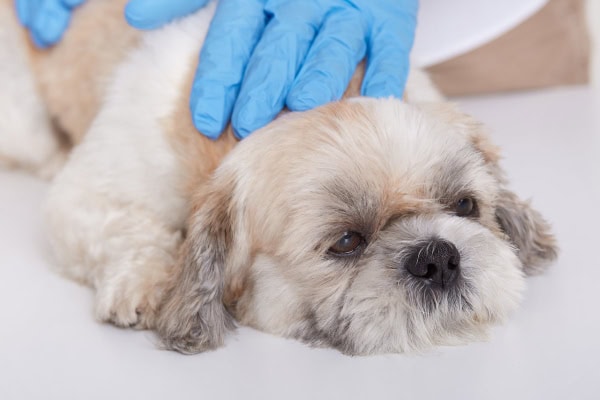
The diagnostic process almost always begins with a thorough physical exam. Your veterinarian will assess vital signs such as temperature, heart rate, and respiratory rate. Plus, he or she will evaluate your dog’s gum color, capillary refill time, hydration status, and overall mentation (mental awareness).
Dogs with sepsis may have a fever, an elevated heart rate, and faster breathing. Subtle changes in gum color or delayed capillary refill can point to circulation issues. And a dog who seems dull, weak, or less responsive than usual raises additional concern that the body is under significant stress.
Blood work
From there, blood tests for dogs are often the next step in diagnosing sepsis. Tests may include:
- Complete blood count (CBC): This test helps evaluate white blood cells, red blood cells, and platelets.
- In dogs with sepsis, white blood cell counts may be elevated. Or, if the infection and/or inflammation has become overwhelming, then the white counts can be paradoxically low. Veterinarians often look for something called a “left shift,” which is an increase in immature white blood cells. It suggests the body is rapidly trying to respond to infection by pumping out new white blood cells as fast as possible.
- Platelet counts are also important. Low platelets in dogs may be present due to platelet consumption in the abnormal clotting processes that can occur with sepsis.
- Chemistry panel: To provide insight into how the organs are coping with sepsis, the vet may run a chemistry panel. The kidneys and liver are particularly sensitive to changes in blood flow and oxygen delivery. Thus, kidney values (such as BUN and creatinine) and liver enzymes are important to evaluate. Electrolyte imbalances are also common. And in more severe cases, dogs may develop low blood sugar or decreased albumin (a blood protein) levels.
- Blood lactate level: Less commonly, vets may measure a blood lactate level, which can be useful. Elevated lactate levels suggest that tissues aren’t receiving adequate oxygen, often due to poor circulation.
Culture
Your veterinarian’s ultimate goal is to try to identify the source of infection. This may involve collecting samples such as blood, urine, or fluid from a suspected infected area. Then the vet will send the samples off for culture to see which bacteria grow (or if any bacteria grow). This can help confirm the presence of bacteria and guide more targeted antibiotic therapy.
Frustratingly, cultures don’t always come back positive, even in dogs who truly have sepsis. Thus, vets often start treatment based on clinical suspicion rather than waiting for these results. Then, they can modify the treatment if needed once culture results are back.
Imaging
Based on the physical exam findings and bloodwork results, your veterinarian may recommend imaging studies such as X-rays or an ultrasound. Chest X-rays may reveal pneumonia. Abdominal imaging can help identify conditions like pyometra, abscesses, or gastrointestinal perforation.
Understanding the role of these tests is important
The number of tests can feel overwhelming. But each one plays a role in building a clearer picture of what’s happening inside your dog’s body. And they will help inform your veterinarian so he or she can make the best possible treatment plan.
Don’t be afraid to ask questions so you understand what your veterinarian is trying to rule in and rule out with each test. This is one of those situations where knowledge is power.
What is the treatment for sepsis in dogs?
If your dog is diagnosed with—or strongly suspected of having—sepsis, hospitalization is typically recommended. Sepsis is generally not something your vet can treat on an outpatient basis.
Administering IV fluids and oxygen therapy
For dogs whose status is more critical, stabilization and supportive care will likely be the first step. The veterinary team will start most septic dogs on intravenous (IV) fluids right away to improve blood pressure, support circulation, and help deliver oxygen to tissues. Plus, if the dog is having any trouble breathing, he or she may receive oxygen therapy.
Starting antibiotic therapy
Numerous studies in human medicine have shown that delaying antibiotic administration can worsen the prognosis for sepsis. Thus, while finding the source of infection is crucial, chances are good the vet will start your dog on a combination of broad-spectrum antibiotics to target likely bacteria, even if the vet hasn’t found the source yet. Then, the vet can adjust the antibiotic plan later if culture results identify a specific organism.
Carefully monitoring the dog
The veterinarian will continue to adjust the specifics of your precious pup’s treatment plan based on careful monitoring and frequent reassessment. Your dog’s care team will track vital signs and blood pressure and repeat bloodwork to evaluate how your dog is responding.
Providing additional supportive care
In septic shock, the dog’s blood pressure can remain low despite administering fluids. If that is the case, the vet may use medications called vasopressors to support circulation.
In some cases, dogs need additional treatments such as plasma transfusions if there are concerns about protein levels or clotting abnormalities. These decisions are individualized based on how the disease is affecting your dog.
Other, more general supportive care may include pain management, anti-nausea medications, and nutritional support in the form of feeding tubes.
Addressing the source of the infection
Addressing the source of the infection once the vet identifies it is also critical. For example:
- A dog with pyometra will require a spay surgery
- Severe dental infections may necessitate dog tooth extractions
- A dog with an abscess may need the abscess explored and drained
Without addressing the underlying source, it’s much harder to control the systemic effects of sepsis.
While your dog is hospitalized, communication is important
Communication between you and your veterinary team is essential, especially as things can change quickly with sepsis. The team will try their best to keep you updated, answer your questions, and help you understand each step along the way.
Can dogs recover from sepsis?
In general, studies suggest that about 50% of dogs with sepsis survive to discharge with treatment. That number can feel sobering at first glance, but it’s important to add context.
Outcomes vary widely depending on factors like:
- How quickly treatment is started
- The underlying cause of the infection
- Whether the source can be controlled (For example, is it something that can be surgically dealt with, like a perforating foreign body or a pyometra?)

Some subsets of dogs do quite well. For example, in a Journal of Veterinary Emergency and Critical Care study of dogs with urosepsis—sepsis related to pyometra (uterine infection), prostatitis (prostate infection), or pyelonephritis (kidney infection)—survival to discharge was as high as 87.5% overall.
On the other end of the spectrum, dogs who progress to septic shock have a much more guarded prognosis. This highlights just how critical early recognition and intervention can be. One consistent theme across studies is that the first 24 to 48 hours are often the most critical, and dogs who stabilize during that period have a significantly better chance of recovery.
The encouraging news is that many dogs who survive sepsis go on to live normal, happy lives, especially when the underlying source of infection is identified and treated effectively.
Your job as your dog’s advocate is an important one
Sepsis is, without question, a serious and sometimes frightening condition. It’s fast-moving, complex, and can feel overwhelming when you’re in the middle of it. But it’s also a condition where knowledge, vigilance, and timely care truly matter.
If there’s one thing to take away from this article, it’s this: you are an essential part of your dog’s care team. You know your dog’s “normal.” You notice the small changes. And when you trust that instinct and act on it, you give your dog the best possible chance of a positive outcome, regardless of the diagnosis.
When it comes to sepsis, timing matters, and informed dog owners are powerful allies in getting their beloved canine companions the care they need.
Hopefully, sepsis is something you’ll never have to face with your own dog. But if you do, you now have a clearer understanding of what’s happening, what to watch for, and how it’s treated. That knowledge allows you to ask informed questions, make thoughtful decisions, and work closely with your veterinarian every step of the way.
Has your vet ever diagnosed your dog with sepsis?
Please share his or her story below.