Dog dandruff (dry, flaky skin) may result from a variety of conditions—some more serious than others. Integrative veterinarian Dr. Julie Buzby provides the facts about nine common causes of dog dandruff. Plus, she explains how to manage your dog’s dandruff at home and which remedies to avoid.
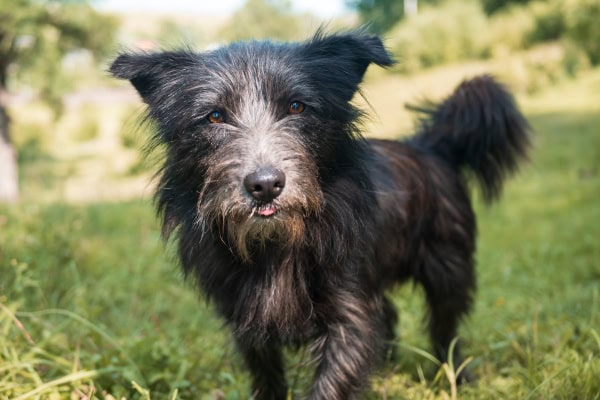
Does your dog look like a walking advertisement for Head & Shoulders anti-dandruff shampoo (which you shouldn’t actually use on dogs, to be clear)? Or maybe you’re noticing white flakes on your dog’s bedding? Let me assure you, you are not alone.
Dog dandruff is surprisingly common. And while it can be just a product of winter dryness or overbathing, sometimes dandruff points to another, more problematic skin condition.
What is dog dandruff?
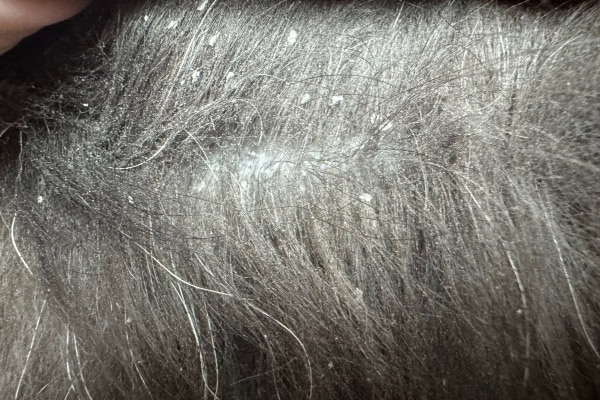
Dog dandruff is the tiny white flakes that accumulate on the coat when dead cells are shed from the dog’s skin at a faster rate than normal. Usually, the back, neck, and tail are the most common places to find dandruff on dogs.
Depending on the reason for the dandruff, your dog may also have dry, flaky skin, itching, a dull coat, red skin, hair loss, or an abnormal odor to the skin.
Why do dogs develop dandruff?
Dandruff is due to a combination of abnormalities in keratinization (the process that skin cells undergo as they approach the surface of the skin and die) and/or a malfunction of the glands that produce sebum (the oily liquid that helps lubricate and protect the dog’s skin).
Normally, it takes about three weeks for skin cells to migrate upward from the deeper layers of the skin, form a compact layer of dead skin at the surface, and then flake off. However, if something disrupts this process, the dog’s skin cells may mature and shed faster than normal (perhaps in as few as three to five days). As the cells flake off, this creates an abundance of white scaly debris on the skin that is sometimes called “dry seborrhea” or “seborrhea sicca.”
Additionally, when the sebaceous glands are making too much sebum, this can compromise the skin barrier and overall skin health. Overproduction of sebum leads to oily dandruff called seborrhea oleosa. It may feel waxy or scaly and appear white or yellow.
Dogs can actually have both kinds of seborrhea (dandruff) at once, too.
When do you need to take your dog with dandruff to the vet?
Dogs may normally develop a bit of dry skin or dandruff from time to time. But there are situations when you need to consider seeking veterinary attention, including:
- Dandruff plus skin irritation (redness, itchiness, sores, crusts, etc.)
- Dandruff plus systemic signs (drinking more water, lethargy, urinating more, etc.)
- Dandruff that does not resolve with simple at home measures (more on this in a bit)
- Dandruff plus evidence of fleas, ticks, or other parasites
- Dandruff plus itchy, smelly ears
When in doubt, it is best to bring your dog to the vet for a physical exam. Some of the causes of dandruff can be uncomfortable for your dog, so getting him or her some relief sooner rather than later is ideal.
Why does my dog have dandruff? 9 causes
While not an exhaustive list, the following nine situations or conditions are common causes of dandruff in dogs.
1. Dry air (especially in winter)
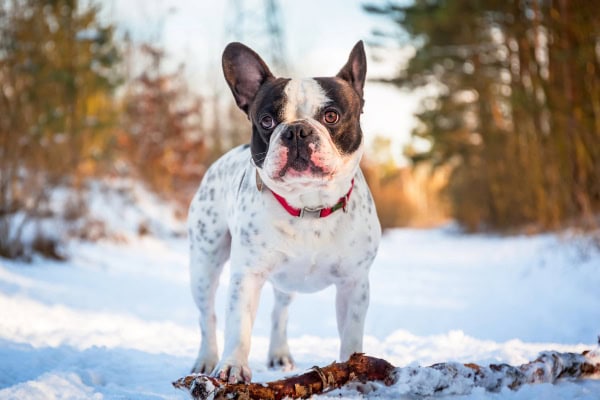
The combination of low humidity, cold weather, and heating your home can dry out a dog’s skin in the winter, leading to dandruff. There is nothing you can do about the weather. But using a humidifier indoors can help greatly reduce the risk of dogs developing dry skin and dandruff.
2. Overbathing or use of harsh shampoos
Bathing your dog too often or using a harsh shampoo can dry out your dog’s skin. This may lead to itching, dandruff, and an increased risk of secondary infections.
Most dogs only need a bath every one to two months (this can vary if the dog is outside or swimming frequently). If you are bathing your dog every couple of days or even every few weeks and have not been directed by your vet to do so, it is possible you are overbathing your dog. Even when using a gentle, hydrating shampoo, overbathing can dry out a dog’s skin and coat.
However, sometimes the vet will recommend more frequent bathing with a medicated shampoo as part of the treatment plan for an underlying skin condition. In this case, the vet has determined that the benefits of the medicated shampoo outweigh the risk of potentially overbathing your dog.
Using harsh shampoos, human products, or dishwashing liquid to bathe your dog can also damage or dry out the coat, leading to dandruff. It is best to stick with a mild dog-specific shampoo (such as an oatmeal shampoo) or a medicated shampoo prescribed by the vet.
3. Nutritional deficiencies
Diet can affect your pet’s skin and hair in good ways or bad ways. If your dog has nutritional issues, skin problems are often among the first symptoms.
To avoid skin issues in dogs, it is important not to feed your dog poor-quality diets or diets that are not nutritionally balanced. This means ensuring you purchase good-quality food and/or work with a veterinary nutritionist to ensure a home-cooked diet is complete and balanced.
To aid in skin and coat health, diets often contain fatty acids like omega-3 fatty acids for dogs and omega-6 fatty acids. These ingredients can promote a shiny coat and help form a strong skin barrier to prevent dryness and infection.
4. Allergies (food, flea, seasonal, and contact allergies)
If your dog has dandruff plus recurring ear and skin infections, it is possible that seasonal allergies in dogs or food allergy in dogs could be the culprit. Plus, contact allergies or flea allergy dermatitis in dogs can cause dandruff and skin infections (but usually not ear infections).
Possible symptoms of allergies in dogs include:
- Itching: Excessive scratching, licking, and biting of the skin all count as itching.
- Dry skin and dandruff: The dog’s skin looks dry, dull, and flaky.
- Skin irritation and redness: Skin may be red all over or in patches and may have scratch marks on it.
- Skin infections: Signs of an infection include crusts, pustules, itching, and inflammation.
- Ear infections (otitis in dogs): Your dog may be shaking the head or scratching the ears, and the ears might have a foul smell.
To diagnose allergies, the vet will consider your dog’s symptoms, history, and response to previous treatments. He or she may also collect samples to screen for secondary skin infections and check for the presence of parasites.
If the vet suspects a food allergy, he or she will start a diet trial. This involves feeding your dog a prescription hypoallergenic diet—and nothing else—for 6-12 weeks and watching for signs of improvement.
For seasonal allergies, your vet may recommend limiting exposure to the allergen (if possible) and using allergy medications for dogs such as Cytopoint® or Apoquel®. Plus, for some dogs, allergy shots and itch-relieving shampoos are also helpful.
The mainstay of treatment for flea allergies is minimizing flea bites by keeping all pets in the household on a veterinarian-prescribed flea preventive. (More on parasites as a cause of dandruff in a bit.)
5. Skin infections
Bacterial and fungal infections that occur secondary to allergies or other causes can quickly compromise both the skin barrier and coat health. This can lead to dandruff and other skin signs (typically not just dandruff).
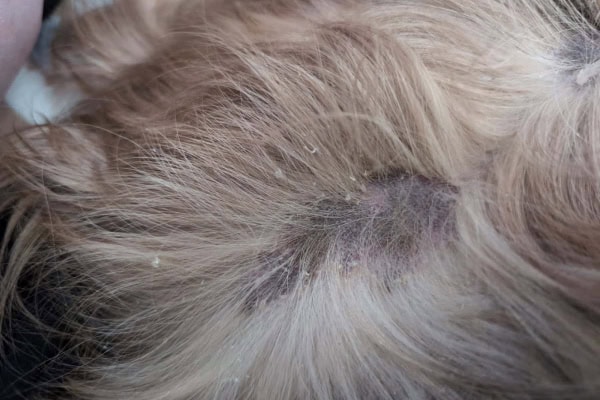
Pyoderma in dogs (bacterial skin infections) and yeast infections cause the skin to dry out and become itchy and uncomfortable. This leads to red, swollen skin that may also be moist or crusty and have an abnormal odor.
Your veterinarian may diagnose a skin infection using skin cytology. This involves examining a sample from the surface of the skin under the microscope to determine how many bacteria or yeast are present. Or, in some cases, the vet may recommend a culture and sensitivity test to gain additional information about the causative organisms and the best treatment options.
Once your veterinarian confirms the infection, your dog will likely need a combination of systemic antibiotics or antifungals and topical products (medicated shampoos, mousses, wipes, etc.). Some dogs may also benefit from medications to manage pain, inflammation, and/or itching.
6. Cheyletiella mites (walking dandruff)
Walking dandruff in dogs is caused by Cheyletiella mites, which feed on the skin (usually along the back) and cause large, white flakes of dandruff. The name comes from the way the dandruff flakes appear to “walk” on a dog’s coat. (In reality, the mites are crawling beneath the loose skin debris.) In addition to flakes of dandruff, the mites also cause irritation, inflammation, and itching of the skin. Hair loss in dogs is possible, too.
Cheyletiellosis is rare but highly contagious. Dogs may contract it at shelters, grooming parlors, dog parks, or other places where animals come in close contact with each other. In addition to dogs (especially puppies), Cheyletiella mites also infest cats, humans, and rabbits.
Diagnosis involves your vet observing the dandruff flakes moving around, and in some cases, finding the mites under the microscope (or with the naked eye).
Common treatments for walking dandruff in dogs include:
- Topical anti-parasitic medications designed to kill fleas, ticks, or other parasites.
- Medicated baths once a week with a special shampoo prescribed by your veterinarian.
- Treating all pets in the home, even if they show no symptoms. Walking dandruff is highly contagious and can spread quickly, even to animals of different species.
- Washing bedding, brushes, and collars multiple times during the treatment period.
Note: Cheyletiella mites can easily spread to humans, too. If your dog was diagnosed with walking dandruff and you develop a new rash or have other concerns, please consult your doctor.
7. Other external parasites
External parasites like fleas and ticks can quickly cause skin irritation and dandruff in dogs. This tends to be worse around the collar, along the back, or near the base of the tail. And you may notice fleas, flea dirt (brown to black dry debris), or ticks on your dog’s skin. Additionally, dogs who are allergic to flea saliva can develop itchy, scabby skin (flea allergy dermatitis).
If you check your dog for fleas and find some, or notice a tick or possible tick bite, consult your veterinarian. If the tick is still attached, remove the tick from your dog and put it in a jar of alcohol as soon as possible. This allows the vet to identify the tick and assess the risk of your pup acquiring a tick-borne disease in dogs.
Your vet will prescribe a flea and tick preventive that will manage your dog’s current infestation, prevent future issues with fleas and ticks, and suit your dog’s specific situation. For best protection, keep your dog on flea and tick prevention year-round.
Note: It is important to use veterinarian-prescribed flea and tick control products. The over-the-counter versions may be ineffective, or occasionally even dangerous.
8. Hormonal conditions
Some hormonal conditions, like Cushing’s disease or hypothyroidism, can cause dandruff and other skin changes.
Cushing’s disease
Cushing’s disease in dogs is caused by excess cortisol in the body. Over time, this hormone imbalance affects the skin’s ability to repair and protect itself. Skin issues linked to Cushing’s usually worsen gradually rather than appearing suddenly. Dogs with Cushing’s may develop:
- Thin, fragile skin
- Flaking or scaling dandruff
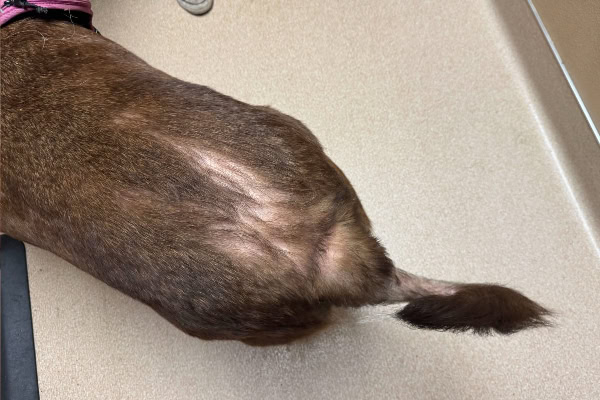
- Hair loss along the abdomen
- Increased thirst and urination
- A pot-bellied dog appearance
If the vet suspects your dog may have Cushing’s disease, he or she will run blood tests for dogs, like an ACTH stimulation test, to confirm the diagnosis. Treatment involves trilostane for dogs or other medications and often helps lessen or resolve the symptoms.
Hypothyroidism
Hypothyroidism in dogs occurs when the thyroid gland doesn’t produce enough thyroid hormone. This condition is especially common in middle-aged dogs.
Dogs with hypothyroidism may have dry, flaky skin and a dull or thin coat. Dandruff caused by hypothyroidism often persists despite good nutrition and regular grooming. Affected dogs may develop hair loss that is symmetrical. Hypothyroidism can also cause low energy (lethargy) and weight gain without an increased appetite.
The veterinarian will use a combination of clinical signs, age, breed, and the results of a comprehensive thyroid blood test to reach a diagnosis. Hypothyroid dogs benefit from thyroid supplementation, and their skin usually improves once their thyroid levels normalize.
9. Primary (idiopathic) seborrhea
Primary seborrhea in dogs, also known as idiopathic (spontaneous) seborrhea, is an inherited condition that leads to abnormal keratinization. It usually starts before the dog turns two years old, and is most common in English Springer Spaniels, West Highland White Terriers, Irish Setters, Dachshunds, German Shepherd Dogs, Labrador Retrievers, Shar Peis, Basset Hounds, and Cocker Spaniels.
Symptoms of idiopathic seborrhea in dogs include ongoing dandruff and oily fur or hair. Dogs sometimes also have a musty or yeasty smell to their skin. They can develop recurrent ear infections and thickened, dark skin.
The vet or veterinary dermatologist may diagnose a dog with primary or idiopathic seborrhea after ruling out other diseases that cause similar symptoms. Many of those diseases have already been discussed here.
Because there’s no treatable trigger for primary seborrhea, the goal is to find ways to provide relief and manage the condition long term. Typically, the vet will recommend regular bathing with medicated or seborrhea-specific shampoos. Most dogs also need ongoing ear and skin maintenance, including cleaning your dog’s ears, wiping the skin folds, and monitoring for signs of infection. Additionally, dogs can benefit from adding omega-3 fatty acid supplements to their diet.
Consistency is key for managing this condition. Flare-ups can occur without proper maintenance and treatment. But with a consistent routine, idiopathic seborrhea can usually be well controlled, and dogs can live normal, happy lives.
What is the treatment for dandruff in dogs?
Once the vet determines the underlying cause of the dandruff (or rules it to be idiopathic), he or she will work with you to develop a treatment plan. One component of treatment is managing the underlying condition, as discussed under each condition. The other is to soothe the dry skin and dandruff.
Medicated shampoos
The vet may prescribe a special medicated shampoo that addresses your dog’s particular needs. Moisturizing shampoos are great for dogs with dry skin, but dogs with greasy dandruff (seborrhea oleosa) do better with degreasing or follicle flushing shampoos. Plus, there are also shampoos with ingredients that support the skin barrier and have antimicrobial effects or other properties to help improve your pet’s condition.
Most of these shampoos will require you to wet and lather your dog, then let the shampoo sit on the coat and skin for at least 10 minutes before rinsing it off. That can feel like forever when you are trying to keep a wet dog from jumping out of the tub. However, petting your dog, practicing simple commands (if your dog can do so safely in the tub), or offering a lick mat of peanut butter can help pass the time.
Skin mousses
While bathing with medicated shampoos has traditionally been the treatment of choice since it physically removes the scale, there are also some topical mousses that may work well for dogs with dandruff. Plus, they are a lot easier to use!
A small study published in Veterinary Sciences examined the use of a shampoo and mousse containing plant extracts in dogs with idiopathic (primary) seborrhea. Dogs who received one bath and eight mousse applications demonstrated an improvement in their dandruff compared to untreated dogs. This doesn’t mean that mousse is right for every case, but it does mean it could be an option for some dogs who are very challenging to bathe.
Skin support supplements
In some cases, the vet may also suggest using supplements such as fish oil to provide more omega-3s and other fatty acids. Not only are omega-3 fatty acids anti-inflammatory, but they also promote skin and coat health. Your vet can help you select a quality product for your dog and determine the best dosage.
Are there home remedies for dandruff in dogs?
In addition to the veterinarian-prescribed treatments, there are some things you can do at home to help manage your dog’s dandruff and keep your dog’s skin healthy and happy in the future.
Bathing your dog with the correct frequency
Since overbathing can lead to dry skin and dandruff, it is important to bathe your dog with the right frequency.
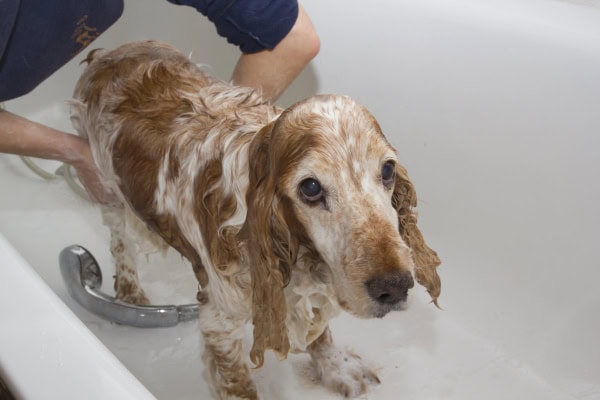
Your vet can help you determine how often to bathe your dog depending on the underlying cause of the dandruff. Sometimes medicated shampoos might get used on a weekly or every other week basis. Otherwise, if the vet doesn’t have a specific recommended bathing frequency, try to stick with doing it every one to two months.
Choosing the right shampoo (and avoiding harmful ones)
If your vet doesn’t suggest a specific product, oatmeal-based dog shampoos make a wonderful general cleansing option for dogs. There are also shampoos specifically made for dogs with allergies or sensitive skin.
Remember, don’t use human shampoo or dishwashing liquid to bathe your dog.
The same properties that make dishwashing liquid great for cleaning up ducks after an oil spill make it a bad choice as a dog shampoo. It strips away too many natural oils, leaving your dog with dry skin and a dry haircoat.
Additionally, human shampoos are not formulated for dog hair and may be drying or contain harmful ingredients. It is especially important not to use human dandruff shampoos on dogs. They sometimes contain medications that aren’t safe for dogs or are too strong.
Bathing your dog with the proper technique
How you bathe your dog matters a lot. After lathering your dog (and waiting the prescribed length of time for medicated shampoos), remember to rinse him or her thoroughly. Leftover shampoo will continue to dry out the skin and worsen the dandruff.
Then gently pat your dog dry with a clean towel. If your dog has skin folds, take extra care to dry in between the folds to prevent fungal infections and irritation.
Brush your dog regularly, too. Gently brushing your dog can help distribute your dog’s natural oils throughout the coat.
Applying a topical skin health product after bathing
Some pet owners also find success with using a product like Dermoscent Essential 6® Spot-On as a treatment after bathing. This plant-based skin product is formulated to support the skin barrier, improve hydration, and reduce dandruff without harsh ingredients.
Feeding your dog a balanced diet
Since nutrition affects skin health, you may need to evaluate your dog’s diet if he or she is experiencing dandruff. Feeding a high-quality, balanced dog food is important. If your dog is prone to skin issues, consider selecting an over-the-counter food formulated for dogs with sensitive skin. Or ask your vet if your dog could benefit from a prescription diet designed for dogs with food allergies.
Increasing moisture in the home
Using a humidifier in your home during dry or cold times of year can make a big difference. Your dog’s skin will feel hydrated and softer, and so will yours.
Using coconut oil with your vet’s approval
If your vet recommends it, rubbing coconut oil into the skin very sparingly can sometimes be beneficial. It hydrates the skin and may have mild antimicrobial properties.
But not all coconut oils are safe (some contain added ingredients), and it is easy to overuse them. Too much can make coats greasy or upset sensitive stomachs. Thus, you should always consult your vet before giving your dog coconut oil or applying it to the skin.
Precautions when treating dandruff in dogs naturally
While the idea of natural remedies holds appeal for some dog parents, it is important to remember that “natural” does not always equal “safe.” Keep the following rules in mind when seeking natural remedies for dogs with dandruff.
- Don’t apply essential oils directly to your dog’s skin. Many are too concentrated for dogs and could cause skin reactions or upset stomachs.
- Don’t pour apple cider vinegar on dry, cracked, or irritated skin. It can cause the skin to dry out even more and could be painful.
If you are unsure whether a natural remedy is safe for your dog, please consult your veterinarian before trying it.
Dandruff doesn’t have to be “ruff” for your dog
Occasional dandruff may be normal. But if you notice recurring dandruff while petting or scratching your dog, or if your dog also has irritated skin or other concerning symptoms, it’s important to consult your veterinarian.
Skin issues that cause dandruff can be uncomfortable for your dog and worsen if left untreated. However, by partnering with your veterinarian to address the cause of your dog’s dandruff and taking good care of your dog’s skin, you can take the “ruff” out of dandruff.
Has your dog had dandruff before?
Please comment below.