Excessive drooling in dogs can be normal for some breeds or situations. But it may also indicate a variety of problems that need veterinary attention. Integrative veterinarian Dr. Julie Buzby discusses nine causes of excessive drooling, when sudden slobbering means you need to head to the vet, and what you can expect at the vet visit.
My colleague’s rescued Great Dane mix shadows her throughout the day. Occasionally, the smell of a savory snack will trigger a waterfall of drool from this sweet boy.
Often, his excessive drooling subsides when given his favorite dog-safe treat. But invariably, she has to wipe his face and the floor in the aftermath of his salivary excitement.
It’s not uncommon for dogs to naturally drool in certain situations, like when smelling food, or feeling nervous or excited. However, there are many instances in which drooling a lot can be a warning sign that something is wrong. In dire situations, your dog’s excessive salivation may even indicate the need for emergency veterinary care.
What constitutes excessive drooling in dogs?
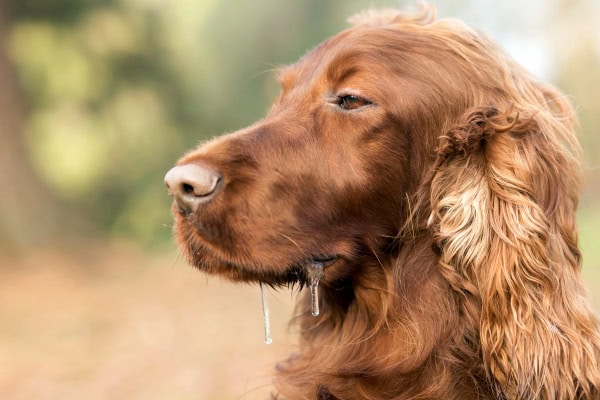
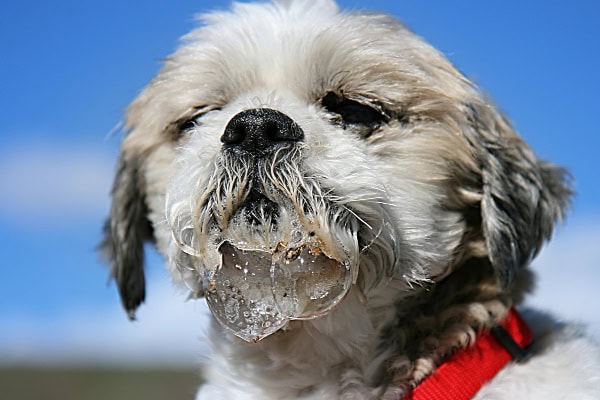
If a dog is excessively drooling, that means he or she has more saliva dribbling out of the mouth than his or her typical baseline amount. You might notice strings of ropy saliva or spit bubbles hanging from your dog’s mouth and lips. Or the fur on the chin, chest, face, and legs might be wet. There may also be puddles of drool on the floor or drool soaked into the couch, dog bed, or carpet.
Some dogs rarely drool at all, so even a small amount of drooling might catch your attention as abnormal. However, Saint Bernards, Great Danes, Boxers, Bloodhounds, Mastiffs, Newfoundlands, and other breeds with loose facial skin, pendulous lips, and larger mouths normally drool a lot anyway. It may take even bigger puddles of saliva or more strings of drool flung against the wall before you could consider the amount of slobbering to be excessive.
Thus, excessive drooling may look different from one dog to another. This makes it important for dog parents to be able to recognize when their dog is drooling more than expected.
What symptoms may accompany excessive drooling?
Excessive drooling is not a condition, but rather one potential symptom dogs may exhibit. Depending on the root cause of the hypersalivation, you may also see some of the following signs:
- Bloody or strong-smelling saliva: The drool may contain flecks of blood and/or have a strong odor.
- Pawing at the mouth: Especially if the dog has something stuck in the oral cavity, he or she may rub or paw at the mouth.
- Oral pain: You may notice your dog chewing on one side of the mouth, grinding the teeth, or acting reluctant to chew or swallow food or water.
- Red, inflamed gums: If you carefully lift the lip, you may notice red gums in dogs due to inflammation. (Don’t do this if your dog acts nervous or doesn’t tolerate mouth handling well.)
- Bad breath: Bad dog breath is common, especially with infections, tumors, organ failure, or metabolic diseases.
- Neurologic symptoms: Seizures, disorientation, unsteady gait, changes to pupils, abnormal eye movements, and tremors are all possible.
- Being weak or lethargic: A lethargic dog may be unwilling or unable to be as active and energetic as usual. And a weak dog may have trouble getting up or staying standing.
- Vomiting or diarrhea: Drooling can be a sign of nausea, so affected dogs may also vomit or have diarrhea.
- Poor appetite: Many conditions can cause a dog to lose interest in eating or not eat as well.
- Changes in urination or thirst: The dog may seem more or less thirsty. And he or she may change the volume or frequency of urination.
Keep in mind that this is not an exhaustive list. There are many conditions that can cause excessive drooling, so it isn’t possible to discuss all the potential symptoms here.
Is excessive drooling in dogs an emergency?
If your dog is drooling excessively and it doesn’t seem to be connected to something like eating or excitement, or if you are seeing some of the other signs that may accompany increased drooling, it is best to seek veterinary care. Depending on the severity of your dog’s symptoms, that could mean scheduling an appointment with your regular vet or bringing your dog in for emergency care right away.
Generally speaking, sudden excessive drooling is an emergency if you also notice:
- Collapse or severe weakness
- Changes in gum color (pale, blue, or red)
- Severe vomiting or diarrhea (especially if bloody)
- Having multiple seizures in a day or ones that last longer than a few minutes
- Profuse slobbering
- Potential toxin exposure
- A pot-bellied dog appearance due to abdominal distension
Even if your dog’s symptom isn’t on that list, if you are concerned about your dog, it is a good idea to contact the vet. He or she can help determine if an emergency vet visit or a regular vet visit would be best.
Why do dogs excessively drool?
In general, excessive drooling in dogs happens for one or both of the following reasons:
The dog is making too much saliva (ptyalism)
Ptyalism is drooling due to an increase in the rate of secretion of saliva (hypersialosis) by the salivary glands. For example, this could result from excitement over the anticipation of a meal or motion sickness from a car ride.
Whatever the reason, the salivary glands kick into high gear and produce more saliva than the dog can reasonably swallow. This leads to passive drainage of saliva from the mouth.
The dog can’t swallow his or her saliva as well (pseudoptyalism)
Dogs may also drool excessively when they experience difficult or painful swallowing. Instead of being swallowed, the saliva accumulates in the oral cavity and spills out. This is called pseudoptyalism.
Conditions like facial nerve paralysis or botulism can disrupt the normal nerve transmission signals from the brain to the muscles responsible for swallowing. This makes it hard for the dog to swallow. Additionally, dogs with oral pain or masses in the mouth also tend to have trouble swallowing or are more reluctant to swallow.
What causes dogs to drool excessively?
The causes of excessive drooling in dogs are plentiful. We can’t cover them all, but let’s take a look at nine of the more common ones.
1. Problems with the mouth
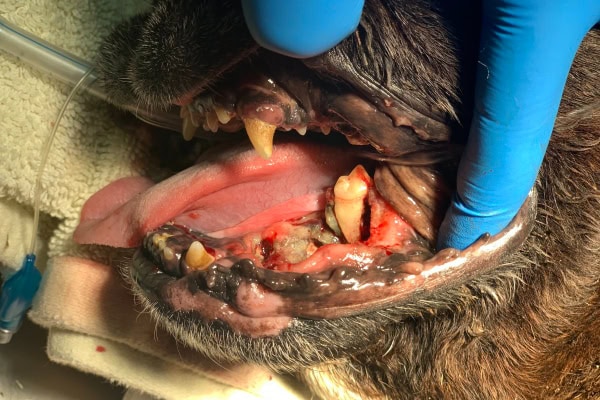
Many disorders of the mouth are notoriously painful and can interfere with a dog’s ability to eat, drink, and swallow properly.
- Foreign bodies: Dogs who are exuberant chewers may get part of a stick or toy wedged between the top teeth or against the roof of the mouth. Likewise, shards of wood, plastic, glass, toys, or plant awns (foxtails in dogs) can poke into the cheeks, tongue, gums, or pharynx. This can become quite painful and quickly lead to infection.
- Infection or inflammation: Foreign bodies are just one potential source of oral infection in dogs. Other infectious or inflammatory oral problems that might cause excessive drooling in dogs due to pain and a reluctance to swallow include:
- Dental disease in dogs
- Tonsillitis (uncommon, but does occur in dogs)
- Stomatitis (inflammation of oral tissues)
- Gingivitis (inflammation of the gums)
- Oral ulcers
- Dog tooth abscess
- Trauma: Trauma commonly causes excessive drooling because of the overproduction of saliva due to pain and an inability to swallow it properly. Some types of trauma that may cause increased drooling include:
- Fractured teeth (or a fractured jaw)
- Cut (laceration) on the tongue or other soft tissues in the mouth
- Chemical burns from ingestion of a caustic substance like bleach or laundry pods
- Electrocution from biting a live electrical cord, which may also cause respiratory symptoms including difficulty breathing
- Tumors: Any space-occupying mass in the mouth, whether benign or malignant, can interfere with a dog’s normal ability to swallow and lead to excessive drooling. Common mouth cancers in dogs include oral melanoma in dogs, fibrosarcoma, and squamous cell carcinoma. These tumors affect the tongue (surface and underside), gums, palate, and cheeks of dogs.
2. Gastrointestinal issues
There are a number of gastrointestinal issues that can cause dogs to drool excessively as a result of nausea, pain, or both.
If your dog is drooling due to nausea, you might notice your dog licking the lips, too. Sometimes the dog is just nauseous, but other times these signs of nausea will precede an episode of vomiting.
Nausea (and/or vomiting) is a huge feature of problems with the digestive system, like gastritis in dogs (stomach inflammation due to dietary indiscretion, toxins, medications, and more), GI obstruction, pancreatitis in dogs, or hemorrhagic gastroenteritis (HGE in dogs).
Additionally, pain due to problems with the GI system can cause dogs to start drooling. Some of the more common culprits include esophagitis in dogs, pancreatitis (yes, it makes both lists), and gastric dilatation volvulus (bloat in dogs, a life-threatening condition which requires emergency care).
3. Metabolic disorders
Metabolic conditions such as liver disease in dogs or kidney disease in dogs may cause nausea and drooling. These symptoms occur in part because of the buildup of toxins in the body that those organs would normally get rid of.
Dogs with a liver shunt or other severe liver problems may also show signs of hepatic encephalopathy (neurological consequences of liver disease) such as seizures, disorientation, or drooling. And dogs with uremia (symptoms related to toxin accumulation in kidney failure) may have painful oral ulcerations that cause drooling.
4. Neurological disorders
Many neurological issues in dogs can trigger excessive drooling.
Senior dogs may develop old dog vestibular disease, a problem with the system that provides information to the brain about movement and head position. Or other conditions, like a middle or inner ear infection (otitis in dogs), can lead to vestibular symptoms, too.
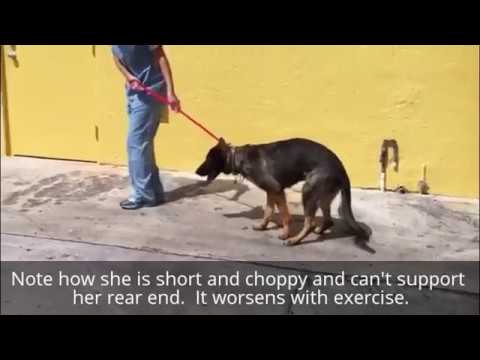
Affected dogs typically experience ataxia (incoordination of gait) and nystagmus (abnormal eye movements). They probably feel similar to the sensation we experienced as children after jumping off a fast-moving merry-go-round. Because dogs with vestibular disease struggle to focus, walk normally, and interpret information about their position and movement, this can, in turn, trigger nausea and drooling.
Dogs of any age can also experience other nerve abnormalities that specifically affect swallowing. Some examples are facial nerve paralysis, trigeminal neuritis in dogs, or damage to cranial nerves IX, X, and XII.
Finally, generalized neurological disorders like myasthenia gravis in dogs and epilepsy in dogs (or other causes of seizures in dogs) can also cause dogs to slobber excessively.
5. Infectious diseases
Certain viral and bacterial diseases like rabies, distemper, and botulism can cause excessive drooling in dogs.
Rabies virus in dogs (and other animals) spreads to the salivary glands and affects the cranial nerves, disrupting the normal function of the muscles of the throat. This interferes with the dog’s ability to swallow saliva. As a result, rabid dogs in the late stages of illness often exhibit “foaming at the mouth,” a hallmark symptom of infection. Rabies, while rare thanks to widespread rabies vaccination of pets, is a fatal disease.
Dogs with distemper, another contagious viral disease, may also experience drooling, tremors, and seizures. These symptoms occur as the virus attacks the tissues of the nervous system.
In botulism, the dog experiences muscle paralysis due to the botulinum toxin produced by Clostridium botulinum bacteria. After ingesting the toxin from something like a carcass or rotten meat, dogs experience difficulty chewing and swallowing (which leads to drooling), vision changes, and rapid, progressive weakness. Botulism often culminates in death due to respiratory paralysis or heart muscle failure.
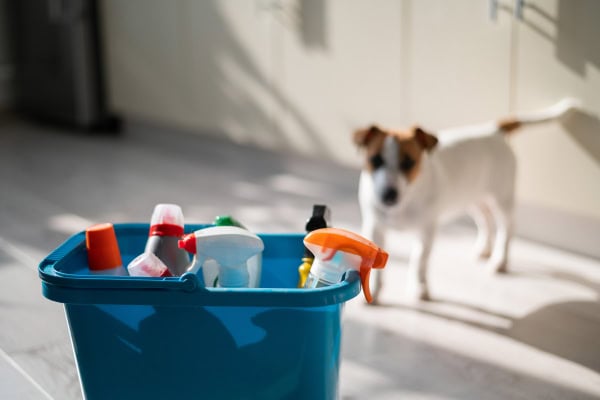
6. Toxin exposure
The list of toxins that dogs encounter in their everyday lives is quite extensive. Common toxins that may cause drooling include:
- Plants containing toxic or caustic components in their stems, leaves, flowers (lilies, poinsettias), and fruiting bodies (certain wild mushrooms like Amanita species).
- Chemicals that have caustic effects in the oral cavity (bleach) or systemic effects that lead to organ failure (antifreeze, some rat poisons, and organophosphate-based pesticides).
- Certain medications that have a bitter taste when given orally (metronidazole, ivermectin, pancreatic enzyme supplements) or topical medications that are accidentally ingested (pyrethrin-based tick and flea control).
- Poisonous or venomous animals like insects (Eastern Lubber grasshoppers), amphibians (Bufo toads), and reptiles (rattlesnakes, coral snakes, or other viper species). Hypersalivation occurs due to localized pain and inflammation of the oral cavity from the toxic secretions of the grasshopper and toad. Or, in a snake bite on a dog, pain and/or the neurotoxic effects of the venom are the cause of the drooling.
7. Heatstroke
Heatstroke in dogs (excessively high body temperature) is a dangerous condition that causes drooling, often in the form of thick, ropy saliva. Additionally, the dog may be panting hard, vomiting, having diarrhea, acting weak, or exhibiting red, pale, or blue gums. If you see these signs, make an emergency vet visit immediately.
8. Fear, anxiety, and stress
Dogs may begin to drool excessively when they become nervous, excited, or fearful. For example, you may notice more drooling during car rides, vet or grooming appointments, thunderstorms, or interactions with unfamiliar or aggressive animals or people. Once the exciting or scary event has ended, the dog should stop drooling excessively.
9. Motion sickness
Motion sickness, as may occur from car or boat rides, can also trigger excessive drooling. With dog car sickness, the slobbering may occur because the motion of the vehicle is making the dog nauseous. Or it might be a result of the dog’s fear or anxiety about being in the car.
How will the vet diagnose the cause of the excessive drooling?
During the appointment, the vet will collect a thorough history and perform a complete physical exam for stable dogs. (For dogs in distress, the veterinary team may need to stabilize your dog before collecting a complete history.)
If your dog shows signs of oral pain or is extremely anxious during the initial physical exam, your vet may recommend a light plane of sedation. This can help the vet perform a more thorough oral examination. Plus, the vet can take X-rays of the head and oral cavity while your dog is sedated if he or she feels that would be helpful for reaching a diagnosis.
In many cases, the history and physical exam (including the oral exam) will give your vet enough information to narrow down the list of possible underlying causes. However, your vet may also recommend blood tests for dogs, urinalysis, and/or an ultrasound to gather more information or confirm the diagnosis.
What is the treatment for excessive drooling in dogs?
The exact treatment for dogs with excessive drooling depends largely on the underlying cause. The possibilities for therapy are wide-ranging, but common treatment options include:
- Dental cleaning and extractions if dental disease is present
- Antibiotics to treat infections
- Fluid therapy to support circulation and address dehydration in dogs due to vomiting, diarrhea, and excessive salivation
- Cooling and symptomatic treatment for dogs with heatstroke
- Induction of vomiting and/or administration of activated charcoal for certain toxin ingestions
- Removal of foreign bodies from the mouth or throat (under sedation)
- Surgery to remove GI foreign bodies or oral masses
- Pain medications like gabapentin for dogs or carprofen for dogs
- Anti-nausea medications like Cerenia for dogs or Zofran
- Anxiolytic medications like Clomicalm® (clomipramine) or fluoxetine for dogs for stress or anxiety-related behavioral issues
- Management of systemic illnesses, including appropriate nutritional support (which could include soft meals, appetite stimulants for dogs, or a feeding tube in critical cases)
- Medications to manage seizures, muscle spasms, or tremors
What is the prognosis for dogs with excessive drooling?
The prognosis for dogs who experience excessive drooling depends on the underlying cause. As a general rule though, the earlier you recognize that something isn’t right with your dog, the better.
Some dogs may only need a short course of treatment with antibiotics or antinausea medications to resolve their symptoms. However, other dogs may require lifelong management, especially those with seizures or compromised organ function (liver or kidney disease, for example). And sadly, some conditions on this list, like rabies, botulism, and heatstroke, have the potential to be fatal.
If your dog is excessively drooling, take him or her to the vet
While a little drool here and there is just part of life with many dogs (and sometimes even part of their charm), it’s always worth paying attention when something seems off. You know your dog best—his or her normal habits, quirks, and yes, even drool levels.
If you notice sudden excessive salivation from your dog, or other signs that something isn’t right, it’s best to trust your instincts and check in with your veterinarian. Most of the time, there may turn out to be a simple explanation. But catching a potential problem early can make all the difference.
A little drool is just love in liquid form, but knowing when it’s more than that is one of the many ways you help keep your sweet senior dog happy and healthy.
Has your dog every started drooling excessively?
Please comment below.