Hygromas in dogs are soft pockets of fluid that may appear on a dog’s elbows, hocks, or other bony prominences. While they do go away with prompt treatment, it is also important for dog parents to understand how to decrease the chances of a hygroma forming in the first place. To help with that mission, integrative veterinarian Dr. Julie Buzby explains the causes, symptoms, diagnosis, treatment, and prevention of hygromas in dogs.
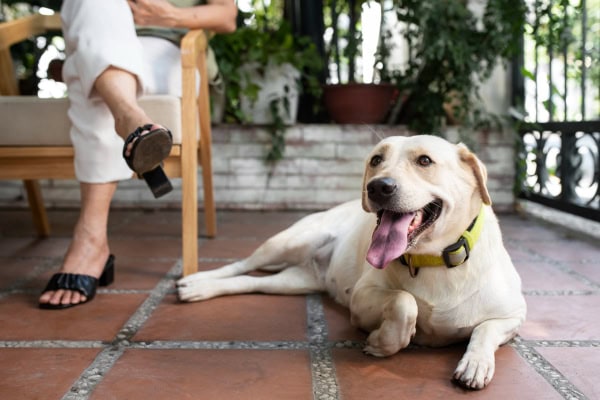
Have you ever put on a pair of knee pads in preparation for a long morning of gardening? Or perhaps you are familiar with the knee pads worn by floor installers who spend a lot of time kneeling. The concept here is simple. Knee pads provide cushioning between your bony knee and the hard surface you are kneeling on.
So, what does this have to do with dogs? Well, sometimes dogs, especially those who spend a lot of time lying down on hard surfaces, will develop their own sort of “knee pads” over the elbow or hock in the form of a hygroma.
What is a hygroma in dogs?
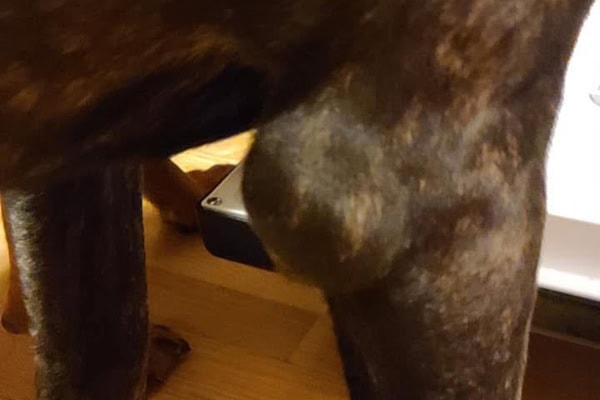
A hygroma is a painless, soft, fluid-filled swelling that develops under the dog’s skin over pressure points like the elbows. Because they are the body’s response to the soft tissue in the area getting compressed, hygromas tend to form in locations where bony prominences contact hard surfaces like the ground.
NOTE: Occasionally, you may also hear an elbow hygroma referred to as a capped elbow or elbow seroma.
What causes dogs to get hygromas?
When dogs lie on the floor or other hard surfaces, the skin and soft tissues over bony prominences, like the elbow, get squished between the bone and the ground. This leads to poor blood flow, swelling, inflammation, and eventually the formation of a fibrous capsule that contains clear fluid. This is the hygroma.
You can think about the hygroma like putting on knee pads. It is the body’s way of making a small cushion of fluid to protect the bone underneath.
Where do canine hygromas usually happen?
Elbow hygromas are the most common type, in part because dogs tend to push off the ground with their elbows when getting up. Plus, the elbows are one of the first points of contact when lying down. However, dogs may also have a hygroma over the shoulder, carpus (wrist), pelvis, hips, or hock (ankle).
Which dogs tend to form hygromas?
Any dog can develop a hygroma, but some dogs have contributing factors that make them more prone to this condition.
Large or giant breed dogs
Large and giant breed dogs (Great Danes, Mastiffs, etc.) are more likely to develop hygromas than small breed dogs. Bigger dogs weigh more, so there is more pressure on their elbows and other bony prominences when they lie down.
For the same reason, overweight dogs are also more likely to form hygromas.
Lean or underweight dogs
On the other hand, dogs who are very lean or underweight have less natural padding to protect their elbows. This can also make them prone to hygromas.
Arthritic dogs
Osteoarthritis in dogs can be another contributing factor. Arthritic older dogs are more likely to spend time lying down. Or they might tend to lie in positions that decrease their arthritis pain but put more pressure on certain areas of the body.
Dogs who don’t or can’t move around much
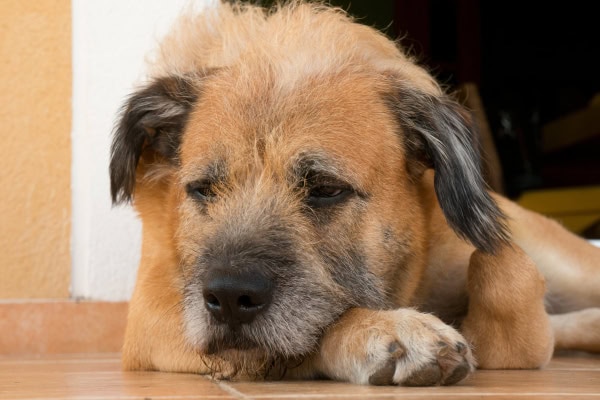
Dogs who spend a good portion of the day or night in crates or small spaces are more likely to lie in one position for longer increments of time. Additionally, dogs with poor mobility due to weakness, pain, or neurological issues may also go a long time before getting up or changing position. This prolonged pressure over the bony prominences can lead to hygromas.
Dogs who live in homes where most of the floors are hard
If a home has mostly (or completely) hard floors like wood, tile, or concrete, dogs may not have a lot of softer places to rest, like carpet.
Dogs who suffer repeated trauma to bony prominences
Slipping and falling on slick, hard surfaces can cause repeated trauma to bony prominences. This may contribute to hygroma development.
What do hygromas look like?
There are several classic characteristics of hygromas:
- Found where bony prominences make contact with the ground (such as the elbow, hip, hock, pelvis, or carpus)
- Feel soft and squishy, almost like a stress ball or water balloon
- Usually round or oval-shaped
- Located under the skin, not on top of the skin
- Start out small but can slowly grow larger if not addressed
- Easily movable under the skin
- Non-painful unless they are inflamed or infected
Occasionally, various masses (cancerous and noncancerous), abscesses, or other conditions can resemble the early stages of a hygroma. Thus, should you think your dog might have a hygroma, it is a good idea to make an appointment with your vet.
Elbow hygroma vs elbow callus in dogs
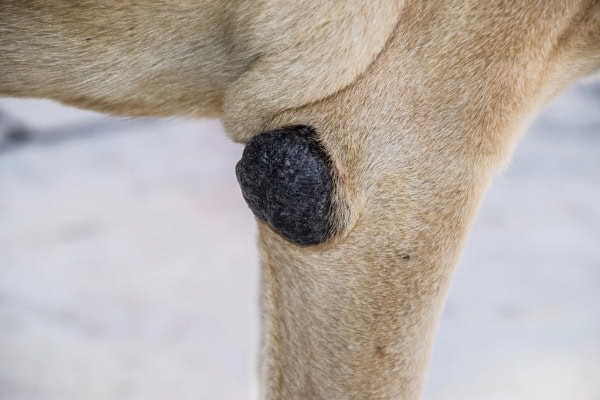
One of the other conditions that sometimes gets confused with a hygroma is elbow calluses in dogs. They form for similar reasons but have a different appearance. Calluses are rough, slightly raised, and sometimes discolored patches on the dog’s skin that may be hairless. On the other hand, hygromas form under the skin, feel squishy, and usually have hair over them unless they are ulcerated or have a callus on top.
Your vet can help you determine if your dog has a hygroma, callus, or both.
Signs of a ruptured, ulcerated, or infected hygroma
While uncommon, hygromas may drain, ulcerate, or become infected. If it ruptures, the fluid coming out is usually clear, yellowish, or reddish in color. However, an ulcerated or infected hygroma may drain foul-smelling pus and be red, hot, and painful. Additionally, sometimes a dog will spend a lot of time licking the hygroma.
If you notice any of these symptoms, it is important to seek veterinary care for your dog promptly.
How will the vet diagnose a hygroma in dogs?
In some situations, the vet will be able to diagnose your dog with a hygroma based on its classic appearance. However, he or she may also recommend additional diagnostics to confirm it is just a hygroma and not something more concerning.
For example, your veterinarian may want to do a fine needle aspirate (FNA) of the hygroma to ensure it isn’t actually a tumor, abscess, or cyst. This involves using a needle to collect cells from inside the swelling and then examining them under the microscope. The vet will need to use special care not to introduce bacteria into the hygroma with the needle, as this could lead to an infection.
The vet might also recommend X-rays to look for other causes of swelling in the region, such as arthritis, tumors, or infections. Plus, X-rays can be a helpful screening tool for orthopedic problems that could lead to poor mobility, pain, and more time lying down.
If your dog’s hygroma has burst or appears infected, collecting some fluid from the hygroma may be part of the diagnostic plan, too. Then the vet will evaluate the material under the microscope or submit it to the lab for a culture and sensitivity. This allows your vet to determine whether your dog may need antibiotics for an infection and, if so, which ones should work best.
What does treatment for a dog’s hygroma involve?
Treatment for hygromas usually involves making environmental modifications and managing pain and inflammation. In the past, vets tried draining the hygroma or injecting it with steroids. But this tended to be ineffective and led to an increased chance of complications such as infection. Thus, that is not the recommended course of treatment in most situations.
For uncomplicated hygromas, the vet will probably recommend some of the following home remedies. However, if your dog’s hygroma has already ruptured or become infected, your veterinarian may also add on more specific treatments like wound care, antibiotics, anti-inflammatories, and an E-collar.
Warning: Never try to pop, squeeze, or drain a dog’s hygroma at home. This is painful for your dog and can increase the risk for rupture and infection.
1. Provide soft bedding for your dog
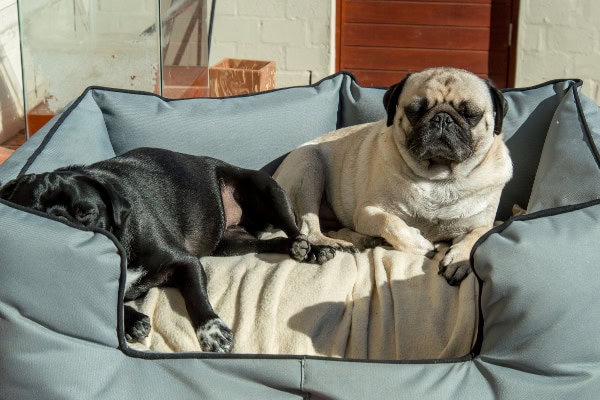
In order to prevent further trauma and growth of the hygroma, the dog needs to have less pressure on his or her bony prominences. Giving your dog something soft yet supportive to lie on (and encouraging your dog to lie on it) is the most effective way to do this. Orthopedic beds are wonderful, but adding any soft surface—blankets, cushions, rugs—can help reduce pressure on bony areas.
Also, some dog parents have found it helpful to use interlocking foam tiles to cover hard floors. This provides some padding if the dog lies on the floor.
2. Put elbow pads or sleeves on your dog
If your dog can’t or won’t lie on soft bedding, or if the bony prominences need additional protection, you may need to consider using compressive and padded bandages, sleeves, or other devices. For the elbow, pads or sleeves tend to work well. However, other locations like the shoulder, hip, or pelvis aren’t very amenable to bandages or pads.
You can purchase protective elbow sleeves that are specifically made to help manage dog elbow hygromas. Alternatively, with your vet’s help and approval, you may try a DIY solution using a pool noodle. This involves placing a section of a pool noodle on the area of the front leg below the hygroma. The goal is to keep the elbow and hygroma off the ground when the dog lies down.
When selecting elbow pads for your dog, ensure they fit properly. If they are too tight, it can affect circulation and lead to other problems. Plus, you don’t want them rubbing the skin and causing sores. If you aren’t sure about the fit or you are interested in trying the pool noodle method, please consult your veterinarian for help.
3. Manage your dog’s pain so he or she will get up more often
While non-infected hygromas are not usually painful, your dog may be experiencing pain from arthritis or other conditions. Relieving arthritis pain in dogs, or managing other painful conditions, may help your dog be more active or have an easier time changing positions when lying down. If your dog is moving or adjusting more often, he or she is less likely to develop a hygroma.
4. Use laser therapy to reduce inflammation
Laser therapy for dogs can help increase blood flow and reduce inflammation in the affected area. As a result, it may promote hygroma resolution. It also has great pain-relieving properties.
5. Ask your vet about shock wave therapy
Shock wave therapy has similar benefits to laser therapy, making it another good option. A 2023 paper described using extracorporeal shockwave therapy for treating elbow hygromas in dogs. While it only included three dogs (four hygromas), the hygromas went away completely in all cases.
6. Consider surgery for a hygroma as a last resort
Most of the time, the methods discussed above will help shrink or resolve the hygroma. However, occasionally a dog may need surgery to drain or remove the hygroma. Unfortunately, performing surgery for a hygroma carries a high risk of complications and prolonged or slow healing. Thus, surgery is usually reserved as a last resort for hygromas that are extremely large, have ruptured multiple times, or are infected.
If your dog does need surgery for a hygroma, supportive treatment will still be extremely important afterward. Not only can supportive treatment promote healing, but it also reduces the risk of complications and recurrence.
7. Monitor your dog’s hygroma carefully
It is important to keep an eye on the hygroma and the surrounding tissue. If at any point you notice the hygroma growing, becoming warm or painful, developing any redness or swelling, rupturing, or leaking fluid, please contact your veterinarian. He or she can help modify the treatment plan accordingly.
Will the hygroma go away?
If your dog doesn’t need surgery and the hygroma wasn’t complicated by rupture or infection, it will often slowly resolve over several weeks to months with consistent management. But without making changes to decrease the pressure on the area, the hygroma will continue to grow and become harder to get rid of.
How can you prevent hygromas in dogs?
Whether you are treating an existing hygroma or trying to prevent one from returning, the two most important tactics are to increase padding between the bone and the floor and, where possible, decrease the risk factors that contribute to hygromas.
The treatment section already focused on giving your dog padded surfaces and/or “traveling padding” in the form of elbow sleeves or pool noodles. So, let’s take a look at what else you can do to decrease the chances your dog will develop a hygroma.
1. Manage your dog’s weight
Helping an overweight dog reach and maintain a healthy weight will decrease the pressure on the tissue over the bony prominences. To get started, determine your dog’s body condition score (BCS) and then have a conversation with your vet about how to help your dog lose weight.
2. Help your dog get traction on the floor
Improving your dog’s traction decreases the chances he or she will fall when walking or trying to stand. This is helpful because the sudden hard impact from a fall can increase the chances of a hygroma. Plus, if your dog can confidently get up and move around, this reduces the amount of time he or she is lying down in one position.
Some dog parents like to use throw rugs or yoga mats for traction in high-traffic areas. This certainly works (and helps provide a softer surface for the dog to lie on), but it can get expensive. And dogs will sometimes avoid the rugs while walking.
Another great option is Dr. Buzby’s ToeGrips® dog nail grips. ToeGrips are non-slip grips that fit snugly onto the dog’s toenails to provide instant traction that travels. They work by enhancing a dog’s natural mechanism of gripping the ground with their toenails, like soccer cleats.
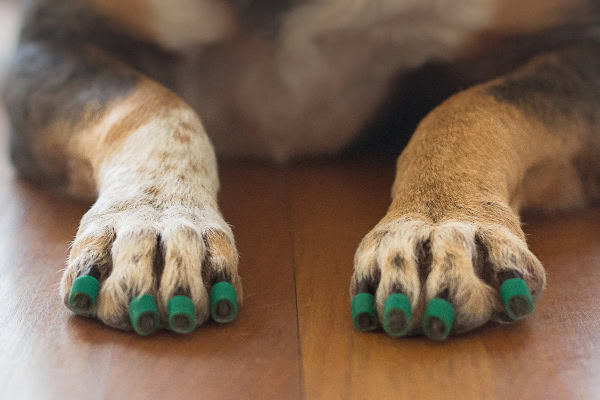
Bonus tip: Maintaining short nails also improves traction, making it easier for dogs to stand, reposition, and adjust their weight.
3. Encourage your dog to get up and move
If your dog spends most of his or her day sleeping in one spot, encourage your dog to get up and move throughout the day. This helps relieve continuous pressure on the same bony prominences, promotes circulation, and increases the likelihood that your dog will lie down in a different position the next time. Some fun ways to get your dog moving include:
- Incorporating mental stimulation toys for dogs into your dog’s day
- Taking your dog outside for a potty break or a short walk
- Calling your dog over to you for a short training or snuggle session
- Encouraging your dog to follow you to another room
- Throwing the ball or frisbee in the yard for a few minutes
As discussed earlier, for painful or arthritic dogs, it is also important to reduce their pain so they will want to move. Thankfully, there are many options for pain medications, joint supplements for dogs, and natural pain relief for dogs. Your veterinarian can help you figure out what might be best for your dog.
Finally, if your dog cannot physically move himself or herself, consider manually rotating your dog from side to side and/or using slings to help him or her change positions. This will also decrease the chances he or she develops pressure sores in dogs.
Protect your dog’s elbows for the long haul
Thankfully, while they can look worrisome, hygromas usually resolve with early attention, soft bedding, and other strategies. If your dog has one, please don’t beat yourself up. Instead, focus on what you can do to help your dog heal. Then keep doing those things to, hopefully, keep your dog from getting another hygroma.
Remember, pressure management is the name of the game when it comes to preventing and treating hygromas. Especially if you have a potentially hygroma-prone dog (like a giant breed), ensuring your dog has a thick bed and lots of padded, cushy spots to lie on can go far. Your dog’s elbows will thank you!
Do you have any tips for preventing canine hygromas?
Please share them below.