Pressure sores on dogs who spend a significant amount of time lying down are a very valid concern, especially for senior dogs. And they are a condition where prevention really is the best medicine. Integrative veterinarian Dr. Julie Buzby explains why dogs develop pressure sores, how to recognize and treat bed sores, and most importantly, how to prevent them.
Recently, one of my dear clients asked me an excellent question—”Can dogs get pressure sores?” She explained that she worked in human hospice care and had seen many patients develop bed sores from being bedridden. This made her wonder if the same thing could happen to dogs who spend a lot of time lying down.
She was exactly right. Dogs can develop pressure sores, too. But thankfully, there are some ways to try to prevent them from forming, and they are treatable.
What are pressure sores on dogs?
Pressure sores in dogs (decubitus ulcers or decubital ulcers) are a chronic skin injury that occurs when a dog’s weight is continuously applied to the skin that lies over a bony prominence, such as the elbow, hock, or hip. Typically, dogs develop bed sores when they repeatedly lie in one position for a prolonged period of time.
(Pressure sores can also occur if a cast, splint, or bandage is too tight or too loose. However, this is not the kind of pressure sore we are going to talk about here.)
Which dogs are prone to pressure sores?
The sort of skin ulcers that are analogous to human bed sores can happen in any dog who spends long periods of time lying down, especially on a hard surface.
Dogs who could be more likely to have pressure ulcers include:
- Senior dogs—Older dogs or those who are less active tend to lose muscle mass, which means they have less padding around bony prominences.
- Dogs recovering from surgery or illness—Being unable or unwilling to move due to pain or injury makes them more likely to stay in one position.
- Paralyzed dogs—IVDD in dogs, spinal stroke in dogs, or other causes of paralysis may cause dogs to be unable to reposition themselves effectively.
- Large breed dogs—The extra weight puts more pressure on the skin over the bony prominences.
- Dogs with orthopedic issues—Osteoarthritis in dogs, hip dysplasia in dogs, or other painful conditions may cause a dog to be reluctant to change positions or make them more likely to favor one particular position.
What causes pressure sores on dogs?
The commonality among these dogs is that they all are likely to have increased pressure on a section of their skin for an extended period of time. Immobility (or low mobility) plus a hard surface is a recipe for pressure sores, especially if the dog has underlying health conditions.
When your dog lies down, bony prominences (elbow, hock, hip, chest, pelvis, and sides of the legs) make contact with the floor. There isn’t much padding over these hard and pointy bones, so the skin is squished between the bone and the ground, cutting off oxygen and blood supply.
If the dog can get up easily and change position, this isn’t a big deal. But if the dog is stuck in one position for a long time, and especially if he or she is lying on a firm surface, the compression of the skin can become problematic.
Without the proper flow of oxygen and blood, the skin is not receiving the nutrients it needs to stay healthy. The skin cells begin to die, which makes the skin more prone to further irritation and infection. Soon, the dog has a pressure ulcer.
What do pressure sores in dogs look like?
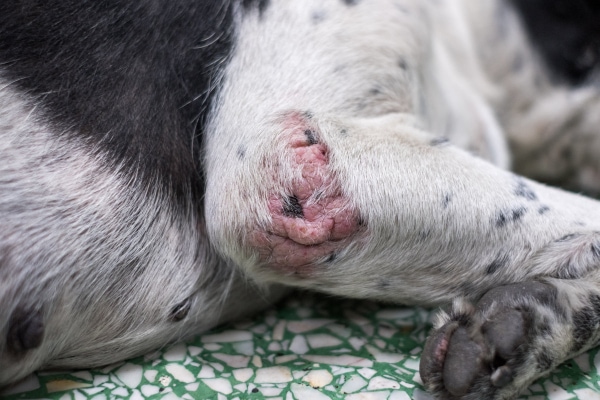
The exact appearance of the pressure sore can vary depending on where in the disease process the dog is. Early on, a pressure sore may look more like an elbow callus in dogs—a thickened, hairless area that is mildly irritated. But as it progresses, pressure sores look more like an actual sore, complete with an open wound that might be oozing yellowish or red liquid.
As discussed, you will generally find pressure sores on areas of your dog where the bone is close to the surface. Common locations include the elbow, hock, hip, chest, pelvis, and sides of the legs. If your dog has a sore on an area that is squishier, it might be a different type of sore.
What are the early symptoms of pressure sores in dogs?
In early-stage pressure sores on dogs, you may notice:
- Patches of hair loss (especially around bony areas like the elbow)
- Reddened skin
- Dryness and cracking associated with the skin
- Constant licking of the area (which can also lead to a lick granuloma in dogs)
- Signs your dog is in pain when touching the area
- Thickening of the skin
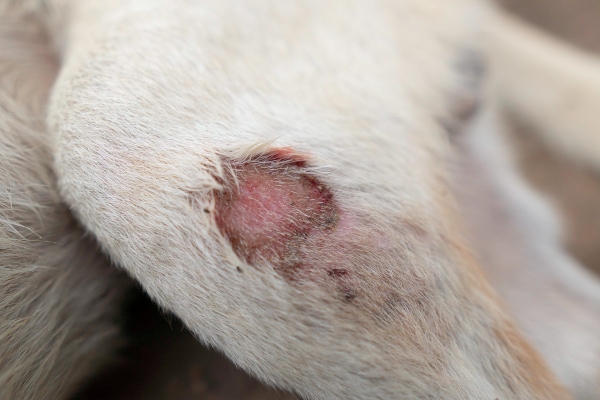
If you notice any of these early-stage signs developing, please consult your veterinarian promptly. The sooner a pressure sore is treated, the easier it is to prevent it from becoming a serious wound. The picture below shows a dog with a pressure sore forming on his or her stifle.
What are the symptoms of an advanced or infected pressure sore in dogs?
If the pressure sore continues to progress or becomes infected, you might see symptoms such as:
- An open wound in the area
- Bright red or black skin (discoloration of the skin)
- Raised or swollen skin around the sore
- Moisture or drainage from the wound which might stain the fur
- Yellow discharge or pus from the wound
- Crusty debris in the fur
- Foul odor to the wound
- Increasing signs of pain (whining, behavior changes, poor appetite, etc.)
If you notice these worsening signs, please take your dog to see your veterinarian immediately. An infected pressure sore can be very painful for your dog. And if it is left untreated, the skin can die, or the infection could spread.
How are pressure sores diagnosed?
At the veterinary appointment, your vet will start with a physical exam, including a careful evaluation of your dog’s skin. This allows your vet to get an idea of what the area in question looks like. Plus, the vet can also look for early-stage pressure sores in other places that you may not have noticed yet.
The veterinarian may assign a stage to each pressure ulcer using the National Pressure Ulcer Advisory Panel (NPUAP) scoring chart. Originally, that staging system was created for decubital ulcers in humans, but it works well for dogs, too.
If the decubital ulcer looks like it might be infected, the vet may recommend additional diagnostics such as:
- Using a cotton swab to collect material from the wound and examining it under a microscope.
- Culture and sensitivity testing (a test to determine which bacteria are present and to guide antibiotic selection).
- Blood tests for dogs to look for signs of worsening infection.
Additionally, the veterinarian may take pictures of the ulcers at that visit and on subsequent visits. This makes it easier to track how the pressure sore changes over time. You may also want to take some pictures at home to help you assess your dog’s progress.
What is the treatment for pressure sores on dogs?
After evaluating your dog’s skin, the vet will work with you to create a plan to heal the pressure sore. This will look different depending on the severity of the pressure sores and the factors that contributed to their development.
However, across the board, it will be essential to figure out why the dog is getting pressure sores in the first place and what you can do to remedy the situation. Otherwise, if all you do is focus on healing the pressure sore itself, they’re just going to keep coming back or not go away at all.
6 Ways to treat (and prevent) pressure sores
During and after the healing process, it is critical to keep pressure off the wound as much as possible. The following six at-home measures can help treat pressure sores, and they are also great for prevention.
1. Reposition down dogs frequently.
If your dog is unable or unwilling to change position on his or her own, reposition your dog every two to three hours, if not more often. This helps ensure that your dog doesn’t put pressure on one particular area for too long.
2. Provide soft bedding options to take pressure off the skin.
Encourage your dog to lie on a memory foam bed, egg crate foam bed, or other type of orthopedic dog bed. The goal is to provide thick cushioning that conforms well to the dog’s body and supports the dog’s weight evenly. When using blankets or pads under your dog, ensure they are free from wrinkles that could put pressure on your dog’s skin.
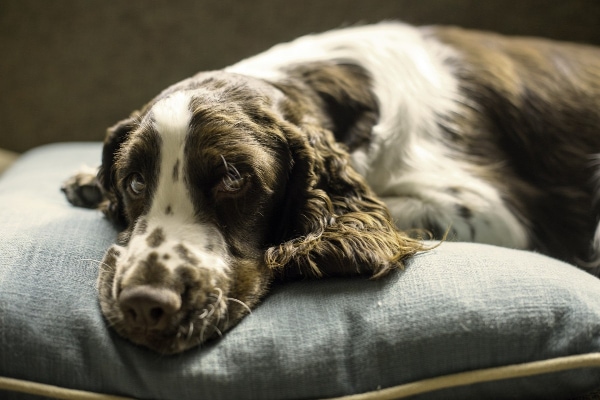
If you decide to take your pup out for some fresh air in a dog stroller or dog wagon, ensure that it is also properly padded. Sometimes you can fit an orthopedic dog bed in the wagon or stroller. This can provide a nice amount of padding.
3. Use pressure-relieving wedges, blocks, or donuts.
Prop your dog up using soft foam wedges or use them to take pressure off the affected area. For example, you can place a foam square between the hocks to keep them from pressing on each other. Alternatively, you can place a wedge under the bedding to roll a dog off a pressure point. Each dog might need a slightly different arrangement, so it is best to consult your vet before you start using the wedges or blocks.
4. Keep your dog’s skin clean and dry.
Each time you reposition your dog, check to see if there is any urine or feces on the bedding or your dog’s haircoat. If the skin or hair is soiled, wash the area and dry it thoroughly. Taking good care of your dog’s skin is critical because skin that remains damp or has urine scald in dogs is more likely to form a pressure sore.
If your dog frequently urinates where he or she is lying, consider placing an absorbent wicking pad under his or her back end. This makes clean-up easier and can help keep the urine from sitting against your dog’s skin. Additionally, speak to your veterinarian if you suspect urinary incontinence in dogs could be coming into play.
5. Boost your dog’s mobility to encourage movement.
Under your vet’s direction, consider the following options to help your dog get up and moving (if possible):
- Apply Dr. Buzby’s ToeGrips® dog nail grips to help your dog get traction on the floor and walk with confidence.
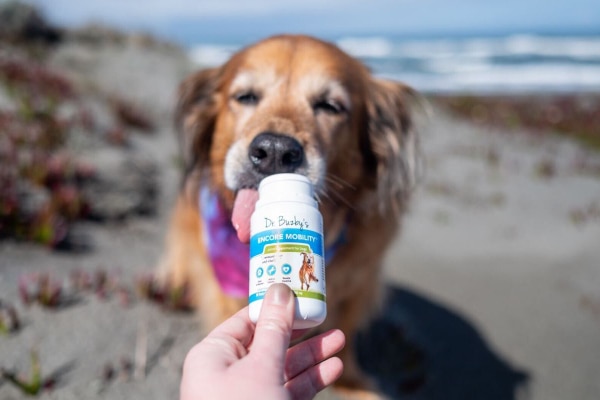
- Consider a joint supplement for dogs like Dr. Buzby’s Encore Mobility™ hip and joint supplement.
- Work with your vet to develop a pain management plan. For many dogs, this involves a combination of pain medications and ways to provide natural pain relief for dogs.
6. Pay attention to your dog’s nutrition.
Feed your dog a well-balanced diet with an adequate amount of protein to promote healing. If he or she has trouble getting up, you may need to bring the food bowl to your dog. This helps ensure your dog eats enough to nourish his or her body.
Treatment for early stage pressure sores in dogs
If the pressure sore is in the early stages, your veterinarian may not recommend any specific treatment for the sore itself. Instead, he or she may focus on the changes discussed above that can prevent the wound from getting worse and help it heal.
Treatment for infected or more severe pressure sores
However, infected or more severe bed sores may require specific treatment in addition to the pressure-management measures discussed above. If the pressure sore is infected, the vet may prescribe oral and/or topical antibiotics.
Additionally, for both infected and non-infected pressure sores, the vet may recommend various ointments or creams to protect and moisturize the skin and/or promote healing. Sometimes bandaging the area with special wound care ointments can also be helpful. (Although not all locations are easy to keep bandaged.)
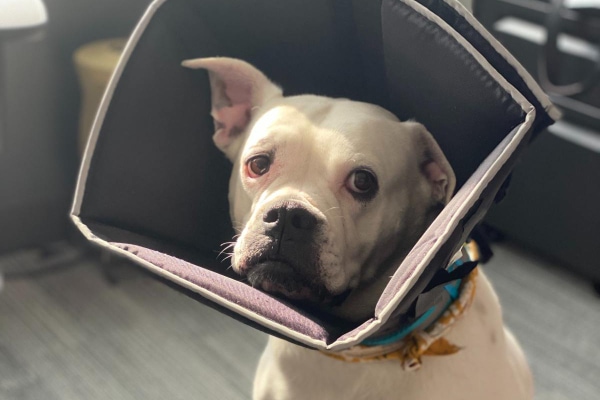
If the dog is licking or chewing at the pressure sore, the vet may also suggest using an E-collar or inflatable neck ring. While no one likes to see their dog wearing the “cone of shame,” preventing further irritation from licking is an integral part of healing a pressure sore.
Occasionally, the vet may need to surgically debride the wound (remove dead tissue) so that it is able to heal. Dogs with deep pressure sores that expose the underlying bone, tendons, or ligaments may also need a skin or muscle graft to help cover those tissues.
What is the outlook for dogs with pressure sores?
Thankfully, most pressure sores do eventually heal, especially with prompt treatment. However, it can sometimes take a long time for them to resolve. It is important to remember, too, that managing pressure sores can require a lot of time, money, and effort on the part of the dog parent.
The vet can make recommendations, but it is up to the dog parent to implement them at home. Without making changes to help relieve pressure on the bed sores, it is going to be very difficult to get them to go away. Plus, if the dog parent doesn’t take preventive measures, the dog could be prone to developing more pressure sores in the future.
How do you prevent pressure sores on dogs?
The best thing you can do for older dogs or those who lie down for long periods of time is to be proactive about preventing pressure sores. The same approach that was discussed above applies here, too. As a reminder, you can prevent pressure sores in dogs by:
- Repositioning down dogs frequently
- Providing soft bedding options to take the pressure off the skin
- Using pressure-relieving wedges, blocks, or donuts
- Keeping your dog’s skin clean and dry
- Boosting your dog’s mobility to encourage movement
- Paying attention to your dog’s nutrition
Granted, some dogs are going to get a pressure sore even if you do everything right. But in general, being diligent with these preventive measures will help keep your dog’s skin healthy and intact.
Carefully monitor the condition of your dog’s skin.
Finally, keep in mind that it is important to inspect your dog’s skin daily (or each time you reposition him or her) for warm or red areas, sore spots, hair loss, or any other abnormal areas. If your dog has a thick haircoat, you may need to part the hair to get a good look at the skin. Pay particular attention to the skin over the elbows, sides of the legs, hips, sternum (breastbone), and shoulders.
If you see any concerning areas, please report them to your vet promptly. While waiting for the appointment, be especially vigilant about ensuring your dog is repositioned frequently and lying on thick, soft bedding. Also, make an even bigger effort to keep the skin clean and dry.
Partner with your veterinarian
If your dog might be prone to pressure sores, partner with your veterinarian to create a preventive plan. Together, you can evaluate your dog’s mobility, current environment, pain levels, and other contributing factors. This allows you to create a plan that is both effective and practical.
Hopefully, you will be able to keep your dog from developing pressure sores. However, sometimes, no matter how hard you try to prevent them, pressure sores still happen. This is why inspecting your dog’s skin frequently is so important.
The sooner you notice a problem and contact your vet, the sooner you can start treatment or change up your preventive plan. I know it may seem daunting at first. But together, you and your vet can tackle pressure sores to keep your dog as happy and comfortable as possible.
What tips do you have for preventing pressure sores?
Please comment below
This post was published on September 22, 2022 and updated on August 11, 2025.


Years ago, I used a bubbling foot bath to create a mini hydro-bath for our aged spaniel’s elbow sore, then followed treatment with a handmade fleece donut protector. The sore healed, with daily treatment; patience and diligence extended her comfortable life.
Hi B’Linda,
What a great idea! So glad this worked for your pup. Thanks for sharing!
Our dog is paralyzed from waist down. He still wiggles a lot so his wounds dont really heal because of the friction, but they are taking a lot time to close and they are red. What else can be done? Can the vet sew them?
Hi Lizette,
I understand how hard it can be as the daily caretaker for a paralyzed pup. Without being able to see the wounds myself, it is hard to know if they could be sutured. I would talk to your vet about using some topical products to promote wound healing and add a protective barrier to the skin. Also, there is a product called a “drag bag” for disabled dogs that basically covers their lower half and allows them to slide and glide over surfaces instead of causing friction from rubbing. Hoping you can find the best ways to keep your sweet boy safe and healthy. Wising you both many happy years ahead.
My old timer had a pressure sore in his hock that required MONTHS to heal. To prevent further sores, I purchased a thick memory foam mattress (human) and cut it up into dog beds. This produced several high quality beds ant a reasonable price. I then covered them in water-proof dog covers.
Despite the dog beds strewn around the house, he still, at times, wanted to lie on the floor., with his foot directly under him, placing all his weight on the bony heel. To protect the area, I cut large and small pool noodles into short sections, slice them in the middle to allow them to open onto the foot, and secure them with a flexible elastic. The small diameter one rests on the lower foot, and the larger diameter fits above the smaller just below the hock. It works like a charm! He can lie directly in his foot and the weight is distributed evenly away from the heel bone. The set up is approved by his vet and physiotherapist.
Keeping an old arthritic dog comfortable is an ongoing work of dedication and love.
Hi Darlene,
This is such a great idea! So glad your boy is comfortable and happy with his pool noodle padding in place. Thank you for sharing this helpful information with us. Wishing you both continued success and keep up the great work!
I thought dogs have under skin glands prevent dog having bed sore or sore due to sitting long time !
Hi Faik,
Sorry, but I am afraid you came across some bad information! Hoping the article was able to set the record straight. 🙂
we’ve tried several different beddings and pads and blankets and all sorts of things even indestructible ones and they tune a pieces. what do I do in that instance
Hi Nancy,
What is causing the bedding to tear into pieces? Is your dog chewing on the bed? Is it falling apart after washing or with prolonged use? Just trying to get the full picture so I understand the best way to help.
she is asking what to do when a dog eats their bedding. one of my dogs eats any bedding in her kennel, so bedding can’t work to help relieve pressure off her sore.
Hi Eliza,
Yes, I thought that might be the case but didn’t want to assume. That gets me into trouble sometimes! Unfortunately, when dogs have certain behavioral tendances, it can make caregiving difficult. I am not sure I have a good solution for the type of bedding needed when a dog will try to destroy anything offered. It would be nice if a company could figure out how to make a truly indestructible dog bed.
sheepskin rugs are the best dog bed! Hypoallergenic, absorbent, traction, cushioning, temperature regulating.