You’ve probably heard about omega-3 fatty acids for dogs, but do you know what they do and why they are so important for your dog’s health? Integrative veterinarian Dr. Julie Buzby knows there’s nothing “fishy” about this essential fatty acid that is commonly found in fish oils. By the end of this post, you’ll know the benefits of omega-3s, possible side effects, and how to choose an omega-3 supplement for your dog.

“Amazing” is a word I reserve for the best of the best, which is why I’m pairing it here with “omega-3 fatty acids for dogs.” As an integrative veterinarian for 25+ years, omega-3s are one of my favorite tools in my canine healthcare toolbox, especially for our beloved older dogs. But what are omega-3 fatty acids, and more importantly, can they help your dog? Let’s find out.
- What are omega-3 fatty acids?
- Omega-3, 6, and 9 for dogs
- 3 types of omega-3 fatty acids
- What are the benefits of omega-3 fatty acids for dogs?
- Why are omega-3s important for your dog's health?
- Omega-3 fatty acid supplements for dogs
- How to choose an omega supplement for dogs
- Dosage information for omega-3 fatty acid supplements
- Omega-3 for dogs side effects
- Speak with your veterinarian
- Are you considering the benefits of omega-3 fatty acids for your dog?
What are omega-3 fatty acids?
Omega-3 fatty acids are a good, healthy type of fat that feeds every cell in your dog’s body. The omega benefits for dogs are numerous. They help support brain, heart, joint, and skin health, play a role in controlling the immune response, and so much more.
Omega-3 fatty acids are called “essential” because your dog’s body needs them but cannot produce them. Instead, your pup must consume these important fatty acids as part of your dog’s diet or in the form of an omega supplement for dogs.
Bear with me as I take you back to high school chemistry class so you can better understand how omega-3s got their name. They belong to the “polyunsaturated fats” group because there are at least two double bonds in the molecule. This is in contrast to a “unsaturated” fat which contains no double bonds.
The polyunsaturated fats are named based on the location of the first double bond in relation to the omega (i.e. methyl) end of the molecule. So an omega-3 fatty acid has a double bond between carbons 3 and 4. An omega-6 fatty acid contains the double bond between carbons 6 and 7. You get the point.
Omega-3, 6, and 9 for dogs
In addition to omega-3 fatty acids (which will the the focus of this article), there are two other members of the omega family—omega-6 fatty acids and omega-9 fatty acids. We will take a quick look at omega-6 and 9 for dogs then spend most of the time on the star of the show, omega-3 fatty acids for dogs.
Omega-6 fatty acids
One important member of the omega-6 fatty acid family is linoleic acid (LA), which is essential for dogs. Omega-6s come from animal fats, vegetable oils, nuts, and seeds. They sometimes tend to get a bad rap for being “pro-inflammatory.” But they do play an important role because inflammation in the right amounts is part of the body’s way to fight disease. Plus, omega-6 fatty acids can help support bone health and metabolism. Without sufficient amounts of omega-6s, dogs may suffer reproductive or skin issues or experience failure to thrive.
Nature intended the omega-3s and omega-6s to work together in a specific ratio for optimal health benefits. Research indicates a ratio of omega-6 to omega-3 fatty acids of 5:1 is optimal. Thus, it is important to pay close attention to the balance of omega-3 and omega-6 fatty acids for dogs.
Omega-9 fatty acids
While omega-9 fatty acids aren’t essential since the body can make them, they are still worth mentioning. Like omega-3s, omega-9s help support brain and heart health, give a dog energy, and can play a role in having a healthy immune system.
Since omega-6 and 9 are important in the body too, sometimes when you buy a canine omega supplement, you may notice that it includes omega 3, 6, and 9 for dogs.

3 types of omega-3 fatty acids
Within the omega-3 “family,” there are three types of omega-3 fatty acids: docosahexaenoic acid (DHA), eicosapentaenoic acid (EPA), and alpha linoleic acid (ALA). Docosahexaenoic acid (DHA) and eicosapentaenoic acid (EPA) tend to get most of the attention, and rightly so.
Benefits of DHA
Some of the main jobs of DHA are:
- Promoting brain development in puppies
- Supporting retinal function
- Assisting with signal transmission and receptor activation in the brain
- Reducing inflammation
- Supporting brain health
- Assisting with memory, learning, and problem solving
Benefits of EPA
EPA is beneficial to dogs because it helps:
- Regulate the immune system and the inflammatory process
- Promote heart health
- Support brain health and cognitive function
- Promote healthy skin and haircoat
- Assist with joint health
While we have attempted to divide out the functions of EPA and DHA, I do want you to know that there is a lot of overlap between the two. One of these two omega-3s might have more of an effect on an area than another, but both play a role in many organ systems.
Benefits of ALA
The third member of the omega-3 family, alpha linoleic acid (ALA), is less important than the other two. This is because the dog’s body must convert ALA into DHA and EPA in order to use it. Unfortunately, that process is pretty inefficient with only an estimated 10% conversion rate.
Where do dogs get DHA, EPA, and ALA?
Cold water fish are a good source of DHA and EPA, which accumulate in their bodies due to their diet. Other foods with high omega-3 fatty acids, specifically DHA and EPA, include calamari, krill, and algae. On the other hand, ALA can naturally be found in vegetable oils such as canola oil, soybean oil, walnut oil, corn oil, or flaxseed oil.
What are the benefits of omega-3 fatty acids for dogs?

When it comes to benefits, omega-3 fatty acids could win an award for versatility. They reduce inflammation throughout the body and benefit the skin, eyes, heart, bladder, kidneys, brain, and joints. The six primary benefits of omega-3 fatty acids for dogs include:
1. Supporting joint health
Since omega-3s help reduce inflammation in the body, they are one of my favorite tools in my toolbox for osteoarthritis in dogs. A 2016 study looking at the effects of EPA and DHA for dogs with arthritis showed some promising results.
In it, researchers gave 74 dogs with arthritis either a DHA/EPA supplement or a placebo (medical grade mineral oil) for 84 days. The dogs who received an omega-3 supplement had significantly less pain, swelling, and crepitus (i.e. feeling and sound of bone grating on bone or cartilage) than those who got the placebo. And overall the dogs in the omega-3 supplement group had decreased pain and dysfunction and improved overall wellbeing by the end of the study.
While this is a relatively small sample size, it does seem to indicate that omega-3s can be very helpful to our arthritic dogs.
2. Supporting brain development and maintenance
DHA plays a very important role in the brain. It helps with nerve signal transmission, and is a key structural component in the brain. It is critical that pregnant and nursing dogs receive adequate amounts of DHA to aid in brain and retina development in the puppies. Plus, puppies continue to need DHA for healthy brain development after they are born. Some studies also indicate that puppies whose diet contained higher levels of DHA were more trainable.
Additionally, omega-3s may be helpful for cases of canine cognitive dysfunction (CCD). This common affliction of senior dogs is similar to dementia or Alzheimer’s disease in humans. Dogs with CCD may experience behavior changes, loss of housebreaking, decreased interactions with family members, changes in activity level, and/or disruptions in sleep-wake cycles.
A study of 142 dogs fed a DHA supplemented food for 60 days demonstrated improvement in all these areas. Plus, other studies have indicated that DHA can improve cognitive function in older dogs showing signs of dementia in dogs.
3. Improving skin and coat health

If your dog suffers from itchy, irritated skin, omega-3s may be just the ticket. In part, this is due to their anti-inflammatory properties. Studies indicate that itchy dogs who are started on fish oil supplement tend to have less itching and self-trauma and a better coat. For these reasons, omega-3 fatty acids can be a helpful allergy medicine for dogs, especially early on in the course of allergies. They probably won’t be sufficient on their own for dogs with more severe allergies, though.
In addition to helping itchy dogs feel better, omega-3s are a go-to choice for many veterinarians for skin and coat health. If your dog has dry skin or a dry, brittle coat, omega-3s might be a great solution to give his or her coat a beautiful sheen again.
4. Maintaining heart health
Omega-3 fatty acids also are a useful adjunctive therapy for heart disease in dogs. Research indicates that omega-3s may reduce the risk of abnormal heart rhythms, which frequently occur in congestive heart failure in dogs.
Additionally, omega-3 may help improve heart function, heart rate, and blood pressure. Dogs with heart failure also tend to lose weight and muscle mass as the disease progresses. However, in one study of 108 dogs, fish oil supplementation reduced weight loss and improved survival times in dogs with heart failure.
5. Improving kidney disease
Dogs who have kidney failure in dogs may benefit from omega-3 supplementation. One study indicated that fish oil supplementation can slow the progression of kidney disease in dogs who have glomerular injuries (i.e. problems with the filtration apparatus of the kidney). Omega-3s may also help protect the kidneys from acute injuries.
6. Assisting in cancer treatment
Additionally, omega-3 essential fatty acids may have some anti-tumor activities. One study indicated that omega-3 supplementation could potentially increase survival time and the disease-free interval for lymphoma in dogs who were treated with the chemotherapy drug doxorubicin.
Why are omega-3s important for your dog’s health?
As you can see, omega-3s play a vital role in the body and also have a great therapeutic value. As researchers continue to study omega-3 fatty acids, I suspect the list of canine omega benefits will continue to grow.
It is no surprise then that without the proper amounts of omega-3s, dogs can experience a wide variety of health problems. Some of the most common symptoms of omega-3 deficiency are:
- Dry, flaky skin
- Brittle nails
- Hair loss
- Dull haircoat
- Poor retina and brain development in puppies
However, these symptoms are common for a variety of other medical conditions. So it is always best to consult your vet rather than try to diagnose the issue yourself.

Omega-3 fatty acid supplements for dogs
Since you now know just how valuable omega-3s are to your dog, you may be wondering how to ensure your dog is getting enough omega-3s. The good news is that there are a number of ways to provide the proper balance of omega-3 fatty acids in your dog’s diet.
Two options include giving your dog salmon, anchovies, or sardines, or using a commercial dog food high in omega-3s. However, one of my favorite ways to ensure dogs get adequate amounts of omega-3s is through supplements.
While omega-3 fatty acids may be appropriate for dogs of any age, it’s obvious why they are such a good supplement for senior dogs. As an integrative veterinarian, I recommend omega-3 supplements for nearly every one of my arthritic patients. I also suggest it for those suffering from age-related brain dysfunction, vision issues, heart disease, and skin conditions.
When I say omega-3s, remember that I really mean DHA and EPA. Hands down, a quality fish oil supplement is the most direct source of these essential fatty acids for dogs.
How to choose an omega supplement for dogs
When you’re choosing a brand of omega-3 supplement for your dog, be sure to consider:
- The source of the ingredients
- Concentration of DHA and EPA
- Quality control and testing measures
- How it is processed
- Whether there has been independent (third-party) evaluation of the product
Depending on the source and processing, fish oil could potentially contain high levels of mercury or other heavy metals. Additionally, some fish oils, like cod liver oil, contain high levels of vitamin A or D. This could lead to a toxicity problem if administered in high doses.
Also, different omega-3 fatty acid supplements for dogs may contain varied amounts of DHA and EPA. Unfortunately, the label claims may not always be accurate. One study indicated that the EPA and DHA amounts in 21 out of 51 best selling fish oil products in the U.S. varied by more than 10% from what was written on the label. This is why it’s important to use a product from a company you trust.
Nordic Naturals for dogs
The brand of omega-3 supplement for dogs that I recommend is the Nordic Naturals Omega-3 pet line. It’s important to note that this product should be stored in the refrigerator to prevent it from becoming rancid. Omega-3s should never be exposed to temperatures over 80 degrees Fahrenheit.
An alternative to fish oil for dogs with joint problems: Omega-3s from green lipped mussel
While we are on the topic of supplements, I also wanted to briefly mention Dr. Buzby’s Encore Mobility™ hip and joint supplement. Among its many other benefits, Encore Mobility is high in omega-3 fatty acids from green lipped mussels for dogs.
Save 10% on Encore Mobility™ Joint Supplement for Dogs
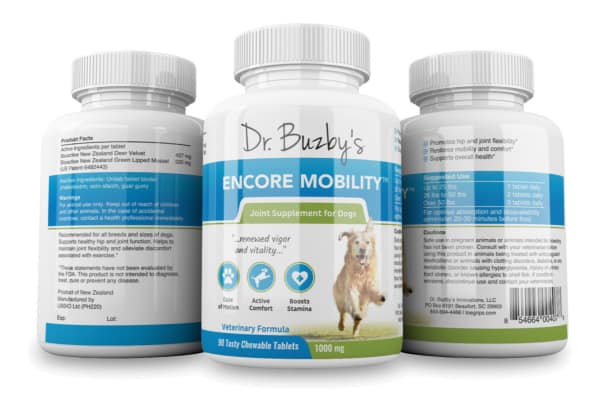
Give your dog more good days.
Use promo code HAPPY to save 10% on Encore Mobility.
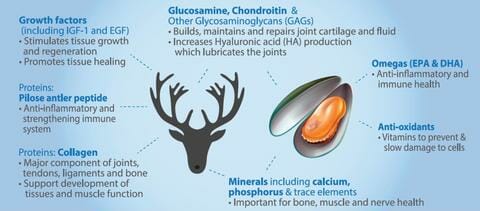
In addition to DHA and EPA, it also contains a unique omega-3 not found in fish oils called eicosatetraenoic acid (ETA). ETA blocks a different inflammatory pathway than DHA and EPA, which provides additional inflammation-reducing properties.
Encore Mobility also contains deer velvet supplement for dogs, which further helps with joint health. To learn more about the benefits of Encore Mobility for arthritic dogs, check out the infographic below or read my article: The Best Supplement for Joint Pain in Dogs Is Not Just About Joints.
Dosage information for omega-3 fatty acid supplements
Once you pick an omega-3 supplement for your dog, the next question is how much omega-3 for dogs your pup needs. Unfortunately, that question doesn’t really have one set answer. Different conditions may require different amounts of EPA or DHA.
It is best to talk to your veterinarian to get an exact dose recommendation for your dog. Also, it’s important to note that it’s possible to overdose your dog on fish oil. So don’t go with a “if a little is good, more is better” approach.
Omega-3 for dogs side effects
I can’t say enough about the benefits of omega-3 supplements for dogs. But I would be remiss not to mention the possible side effects too.
Overall, dogs typically tolerate omega-3 supplements well. However, side effects are possible, most of which tend to be more common at higher doses. Side effects include:
- GI upset (i.e. vomiting or diarrhea)
- Delayed wound healing
- Weight gain
- Abnormalities in blood clotting (This is why it’s important to let your vet know your dog is taking omega-3s prior to surgery.)
- Changes in immune function (which was noted in the laboratory but it is unknown if this is relevant in real life)
Some researchers have proposed that dogs taking fish oils and NSAIDs (i.e. non-steroidal anti-inflammatory drugs) at the same time may be at higher risk of issues with blood clotting. However, I use them together with many of my arthritic patients. This is a case where, in my mind, the known benefits of omega-3s for arthritic dogs outweigh this theoretical risk.
Speak with your veterinarian
You are your dog’s biggest advocate. If, after reading this article, you believe that your beloved dog may benefit from omega-3s, please speak with your veterinarian. By partnering with your vet, you’re sure to have the best answers about omega-3 fatty acids for your amazing dog.
 ‘
 ‘
Are you considering the benefits of omega-3 fatty acids for your dog?
Please comment below. We can all learn from each other.


I have a 4 year old German Shepard he tends to scratch a lot and hard .
I am thinking about giving him omega 3 to help with this ?
They say your not suppose to bath them a lot so I try and bath him every other month he is an inside dog.
Will giving him omega s supplements help with this issue
I don’t think it is his food as he has been eating the same food for years .
Any suggestions would be appreciated
Hi Millie,
I am sorry your Shepherd is living with these itching issues. Omega-3s are great for skin health but I can’t say for certain how helpful they would be for your boy. It is definitely possible for a dog to develop a new allergy to something that has previously not been a problem. Your best bet is to work with your vet to narrow down the underlying cause so you will know which treatment will be the most effective. I always recommend considering a workup with a veterinary dermatologist. While they can be expensive, it usually ends up saving money in the long run. Hoping you can find the answers you need to restore your pup’s quality of life. Best wishes to you and your sweet boy.
My baby old man is 15 yr old. Havanese 10lb. Eats healthy diet if love food Farmers Diet and some prescription CC can food. No supplements except Yumove. He has heart issues and takes vetmedin and euripril I think it is… has an eye ulcer taking awhile to heal. Trying to avoid surgery eye graph due to underlining conditions. Will an omega product help him with his arthritis due to anti inflammation properties and most important help with healing of this eye ulcer? Thank you
Hi Tina,
I am sorry your senior guy is having so many issues at once. Omega 3s will help with arthritis symptoms but are most effective when part of a combination supplement. The Yumove your pup is already taking has Omega 3s as one of its main ingredients. So, if you think your boy needs more help with his arthritis pain, then you may need to discuss actual pain medications with your vet. There are many options such as NSAIDs, gabapentin, amantadine, tramadol, etc. Hoping you can find something to offer your boy relief. Best wishes and take care!