Grand mal seizures in dogs can be scary. There’s no doubt about that. To help you better understand what is going on with your dog and how best to help him or her, integrative veterinarian Dr. Julie Buzby explains how to recognize a grand mal seizure and discusses the causes, diagnostic process, treatment, and prognosis for grand mal seizures in dogs.

Witnessing a grand mal seizure in a dog—whether it’s your canine companion or that of a friend or family member—is one of the more terrifying experiences any dog parent can face. The episode may last a few seconds to several minutes, but it can feel like an eternity.
Depending on the underlying cause(s), several types of seizures may affect dogs. This article will focus on the most common canine seizure disorder, the grand mal or generalized seizure.
What is a seizure?
A seizure involves an abnormal burst of electrical activity in the front part (cerebral cortex) of the brain. Depending on the underlying cause, a seizure can take on many forms. Seizures are considered a symptom of an underlying problem affecting the brain rather than a diagnosis in their own right.
The three primary types of seizures in dogs include:
- Generalized seizures (grand mal seizures and status epilepticus)
- Partial (focal) seizures
- Psychomotor seizures
Generalized seizures in dogs
A generalized seizure involves both sides (hemispheres) of the brain. It typically causes the dog to collapse, lose consciousness, and experience uncontrolled body movements for several seconds to several minutes.
There are two main types of generalized seizure events—grand mal seizures and status epilepticus.
Grand mal seizures in dogs
Grand mal seizures are the most commonly identified seizure type in dogs.
During a grand mal seizure, dogs may initially appear very rigid, with their legs extended outward and their neck stretched away from their front legs as if trying to look at the sky behind their heads.
After this initial period of stiffness, a grand mal seizure often evolves into paddling legs, facial twitching or chewing movements, drooling, and uncontrolled vocalization. Additionally, some dogs may spontaneously urinate and defecate.
Status epilepticus (SE)
Status epilepticus (SE) is characterized either by one continuous seizure lasting longer than five minutes or back-to-back, distinct seizure episodes of shorter duration. With SE events that involve multiple seizures, the affected dog does not regain normal consciousness between episodes.
Status epilepticus is always considered an emergency. If you suspect your dog is in SE, make an emergency vet visit immediately.
Stopping the seizure activity ASAP is so important. Status epilepticus can lead to an increased core body temperature (hyperthermia) and decreased blood glucose (hypoglycemia). Without immediate emergency care, dogs in SE may suffer irreversible brain damage or even die.
Generalized seizure look-alikes
Generalized seizures do need to be differentiated from other causes of tremors (White Shaker Dog syndrome, low blood sugar, and cerebellar hypoplasia) and loss of consciousness (syncope) secondary to a cardiac event. That’s why it is so important to video the event and seek veterinary care if you think your dog may have had a seizure.
Partial seizures

By contrast, partial seizures (focal seizures) typically affect only one side or part of the body. And they don’t result in a loss of consciousness. Focal seizures may involve subtle, repetitive twitching of one body part, like an eyelid, lip, or ear flap. But in some cases they can progress to generalized grand mal seizures.
Psychomotor seizures
As mentioned above, there is another less common type of seizure event known as a psychomotor seizure in dogs. This type of episode may involve a sudden onset of unusual repetitive behaviors, including:
- Fly biting—Snapping repeatedly at the air as if trying to grab an insect
- Stargazing—Staring off into space, often at the ceiling or a corner of the room
- Circling or chasing the tail
- Repetitive swallowing, gulping, lip licking, or chewing motions
- Sudden, unprovoked aggression or rage followed by confusion or disorientation
Unlike focal seizures, psychomotor seizures do not progress to generalized seizure episodes.
What are the symptoms of a grand mal seizure from start to finish?
Dogs may experience seizures either as a single event or as a cluster—two or more self-limiting seizure episodes occurring over a 24-hour period. Cluster seizures differ from status epilepticus in that they are distinct events after which the affected dog regains consciousness and normal mentation (mental status) between episodes.
We often hear about humans with seizure disorders experiencing distinct phases of abnormal neurologic and behavioral activity before and after a seizure event. Similarly, dogs can also experience these phases, which include:
Prodromal period
This period lasts from a few minutes to several hours before the onset of the actual seizure. During this time, dog parents may notice that their dog seems irritable, anxious, or clingy. It is almost as if the dog is anticipating the onset of the seizure.
Pre-ictal period
This period typically occurs just before the onset of the active seizure episode. During this stage, dogs may develop a vacant look in their eyes and seem disconnected from their surroundings. Dog parents may also notice the dog’s posture will change, often with an arched neck, as the active seizure phase begins.
Ictal period
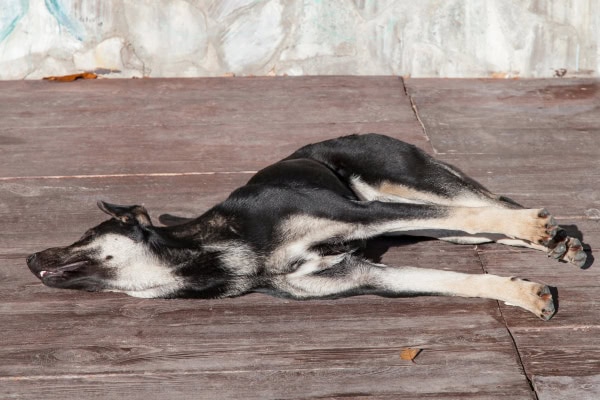
This is the stage during which an active seizure event occurs. It may last from several seconds to several minutes. During the “tonic” phase, dogs usually experience collapse, loss of consciousness, rigid limbs, and pronounced neck arching. As the episode moves into the “clonic” phase, affected dogs may unconsciously paddle their legs, vocalize, salivate, urinate, and/or defecate.
Post-ictal period
This recovery stage can last minutes to hours, depending on the duration and severity of the actual seizure episode. In the post-ictal period, dogs may experience the after effects of grand mal seizures, including being a lethargic dog, confusion, dog is wobbly and off balance (ataxia), a temporary loss of vision, unusual hunger or thirst, dog walking in circles, anxiety, or aggression.
What should you do if your dog is having a grand mal seizure?
Seizures are scary. But the most important thing to remember if you witness your dog having a seizure is not to panic. Instead, keep these six tips in mind.
1. Ensure your dog is in a safe space during the seizure
If the seizure event occurs indoors on furniture or near stairs, place pillows or blankets around your dog as a buffer to protect him or her from injury. Or in the event your dog has a seizure outdoors, keep him or her away from dangers like bodies of water (pools, lakes, ocean, etc.), hot grills, and roadways.
2. Don’t put your hand in or near your dog’s mouth
Dogs do not swallow their tongues during a seizure. Thus, there is no reason to stick your hand or any other object in your dog’s mouth. Doing so is dangerous for both you and your dog. You may be accidentally bitten. Or your dog could experience oral trauma if he or she bites down on objects placed in the mouth.
3. Record the episode
If you can get a short video of the seizure episode, this can be tremendously helpful to show your veterinarian at your dog’s next visit.
4. Keep kids and pets away from a seizing dog
Ensure any children and other pets in the home stay away from your dog during an active seizure and the recovery period. This helps keep them safe and keeps your dog safe too.
5. Log seizures in a journal
If your dog has experienced previous seizure episodes, it is helpful to keep a seizure diary to record these events. Diary entries should include:
- Date and time
- Duration of each episode
- Specific physical and behavioral signs you observe
- Anything out of the ordinary that happened recently (new medication or supplement, visitors, injuries, etc.)
This information, along with a short video clip, will give your veterinarian a better understanding of the type of episodes your dog is experiencing. A seizure diary will also help your veterinary care team recommend appropriate diagnostic tests and treatment plans for your dog.

6. Know when seizure activity is an emergency
If your dog experiences a prolonged seizure episode or a cluster of smaller seizures lasting longer than three minutes, this is an emergency. Immediately transport your dog to your regular veterinarian or a veterinary ER.
If you can do so safely, also call the vet clinic or ER on the way to let them know you are heading toward them with a dog who may be in status epilepticus. This helps them get the necessary supplies together to start treating your dog as soon as possible.
What causes grand mal seizures in dogs?
The underlying causes of grand mal seizures typically fall into one of three main categories—intracranial, extracranial, and idiopathic.
Intracranial (within the brain) conditions
Grand mal seizures can occur due to problems within the brain. Some of the more common intracranial causes of seizures include:
Congenital or developmental abnormalities
Congenital conditions typically affect juvenile puppies under six months of age. One of the more common congenital issues seen in toy and small breed dogs is hydrocephalus (water on the brain).
Affected puppies will have physical abnormalities including an enlarged cranium (portion of the skull around the brain) and an unusually large open fontanelle. These changes are due to the abnormal accumulation of fluid inside the brain. The excess fluid increases the pressure on the brain, which can result in seizure activity.
Head trauma
Any injury to the head, including those that occur from falls, being hit by a vehicle, bites from a larger dog, or having the head shut in a door or stepped on can cause seizures.
Encephalitis (brain inflammation)
Encephalitis, or inflammation of the brain tissue, can result in abnormal electrical activity in the brain. Infectious causes of encephalitis commonly include rabies, distemper, toxoplasmosis, tick-borne diseases in dogs, or other viral, bacterial, fungal, or parasitic diseases.
Idiopathic encephalitis has also been identified in dogs and is considered a non-infectious, immune-mediated condition. This means the dog’s immune system attacks healthy tissues in the body that it has mistakenly identified as foreign. Granulomatous meningoencephalitis (GME in dogs) falls into that category.
Stroke
A stroke in dogs (vascular accident) involves hemorrhage of the vessels in or around the brain. The end result is an increase in intracranial pressure. Strokes may occur secondary to high blood pressure, head trauma, clotting disorders, or the presence of a space-occupying mass.
Space-occupying mass
Growths inside the cranium may be benign cysts or malignant brain tumors in dogs. Both can result in increased pressure on the brain tissue, leading to a seizure.
Extracranial (outside the brain) conditions
Numerous conditions that occur outside of the brain can also cause seizures. Some of the most common extracranial causes of grand mal seizures include:
Metabolic diseases
Numerous metabolic causes of seizures have been identified. The most commonly diagnosed culprits include:
- Liver disease in dogs (especially dogs who have been diagnosed with a portosystemic shunt)
- Kidney failure in dogs and the related electrolyte imbalances (low phosphorus; high calcium, potassium, and sodium),
- Low blood sugar (hypoglycemia) or high blood sugar (hyperglycemia), as might occur in diabetes in dogs
- Hormonal disorders like hypothyroidism in dogs
Hypertension
A systemic elevation in blood pressure (hypertension in dogs) can lead to seizures. So can hepatic hypertension (high blood pressure in the liver).
Stressful events

Any sudden, loud noise event like fireworks or thunderstorms may increase anxiety and provoke the onset of a seizure.
Anxiety or heightened excitement
Seizures may occur when the dog is excited or anxious, such as at feeding time, when unexpected visitors come to the home, or during veterinary appointments.
Heat stroke
When a dog’s normal cooling mechanisms become overwhelmed by excessive heat in the environment and/or exercise in hot weather, heat stroke in dogs can occur. This life-threatening elevation in core body temperature can cause swelling, blood clots, or bleeding in the brain. In turn this may lead to seizures.
Toxins
A variety of toxins found in the house or yard may cause seizures. Some of the most common are:
- Human foods—Chocolate toxicity in dogs, xylitol (birch sugar) toxicity in dogs, alcohol, uncooked bread dough, salt/seawater ingestion
- Medications—Accidental ingestion or overdose of human or animal medications, including over the counter products.
- Illicit drugs—Amphetamines, cocaine, opiates, marijuana
- Pesticides and baits—Rodent bait (rat, mole), snail bait, organophosphates, pyrethrins, strychnine
- Plants—Sago palm (can also cause acute liver failure), hops, mushrooms, yew, lily of the valley, oleander, tulips, azaleas, philodendron, foxglove, unripe (green) tomatoes or the stalks of tomato plants
- Insects or invasive species—Bee or hornet envenomation and Bufo toad toxicity
- Heavy metals—Ingesting zinc coins and lead-based paint (usually occurs when the dog ingests paint chips during renovation of an older home)
- Carbon monoxide poisoning—May occur with furnace or water heater malfunctions or a vehicle running in an enclosed area
Sudden change in sleep status
For some dogs, being startled awake is enough to provoke a seizure.
Congenital conditions
In dogs with portosystemic shunts (abnormal blood vessels which bypass the liver), blood from the digestive tract doesn’t go through the liver for toxin removal. The toxin build up can cause neurological signs, including head pressing, disorientation, and seizures.
Breed predisposition
Breeds including Saint Bernards, Golden Retrievers, Border Collies, Irish Setters, Siberian Huskies, Keeshonds, and German Shepherd Dogs are overrepresented for seizure activity. Due to the historical difficulty in controlling seizures in these breeds, your veterinarian may recommend starting your dog on antiepileptic therapy after only one seizure event. This is different from the typical approach to the first seizure in other breeds.
Other breeds at risk for seizures include Boxers, Beagles, and Collies.
Idiopathic (of unknown cause) seizures
Idiopathic epilepsy (seizures without a known origin) is the most common cause of seizures in dogs. This disorder typically affects dogs between six months and six years of age. Idiopathic epilepsy is considered a diagnosis of exclusion. In other words, all other medical possibilities must first be ruled out with diagnostic lab work and imaging.
How will the vet diagnose the cause of the grand mal seizures?
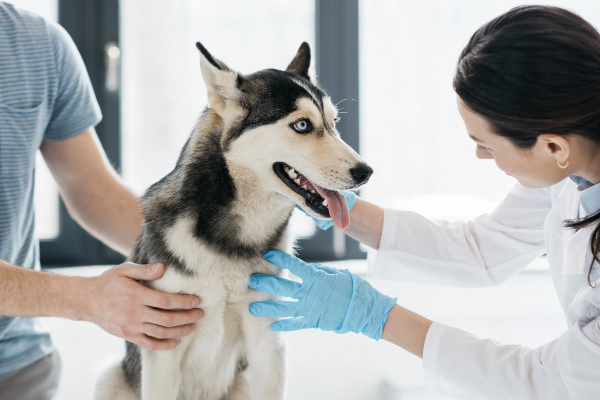
Diagnosing the underlying cause of seizures in dogs is a multi-step process. Sharing short video clips of the episode with your veterinarian will be very helpful if your dog is stable and mentally appropriate during the vet visit. However, after the physical and neurologic exam, your vet will also likely recommend diagnostic testing, which may include:
- Blood work—The vet may run blood tests for dogs like a CBC, chemistry, electrolyte panel, thyroid function tests, or a bile acid test. This is a good way to screen for metabolic disease or the effects of toxins.
- Urinalysis—Testing the dog’s urine helps identify underlying kidney infections, excessive protein loss, and blood sugar imbalances in the body.
- Imaging—Radiographs (X-rays) to look for extracranial disease and magnetic resonance imaging (MRI) to detect changes brain anatomy are the most helpful imaging options in a seizure workup. Computerized tomography (CT) is often unable to show the necessary detail in deeper soft tissues, so it tends to be a less useful diagnostic tool.
- Electrocardiogram (ECG)—Using an ECG to assess the heart rate and rhythm helps the vet differentiate neurologic problems from an underlying heart issue. This is important because syncope (collapse and loss of consciousness) can happen in dogs with heart disease and can be mistaken for a seizure.
- Spinal tap—Obtaining cerebrospinal fluid (CSF) via a spinal tap and examining it is helpful for identifying infectious causes of seizures.
What is the treatment for grand mal seizures in dogs?
Once your veterinary team has the results of your dog’s physical examination and diagnostic testing, he or she can better make appropriate treatment recommendations.
Watch and wait approach
If your dog has only had one seizure event and is otherwise healthy, your veterinarian may recommend a watch and wait approach to see if another episode occurs. Sometimes a dog will have one seizure and never have another one. Thus, it may not be the right choice to start life-long seizure medication.
Additionally, the vet may not initially recommend anticonvulsant medications for dogs who have mild and infrequent seizures. These medications often require monitoring and can have negative effects on the body. Plus, being on an anticonvulsant doesn’t guarantee your dog will never have another seizure. Sometimes a dog can still have breakthrough seizures.
Each vet’s criteria might be slightly different. But in general, he or she may consider starting anti-seizure medications if the dog has a cluster of seizures (three or more in 24 hours), seizures lasting more than five minutes, two more more seizures within six months, or particularly severe seizures. Additionally, evidence of structural brain disease or trauma are good reasons to start medications. However, the dog’s breed, seizure log data, and underlying cause also factor into the decision about if or when to start seizure control medications.
Medications to manage grand mal seizures
There are several medications available to manage recurrent seizure episodes. It is important to remember that anticonvulsant medications decrease the intensity, length, and frequency of seizures. However, they don’t necessarily eliminate the potential for seizures entirely.
Also, depending on the medication, they may take some time to reach maximal efficacy. Therefore, your dog may still have some seizures when first starting anti-seizure medications. Your vet can let you know what to expect for the medication your dog is taking.
Phenobarbital and potassium bromide
Traditional anti-epileptic medications for dogs include phenobarbital and potassium bromide (KBr). The vet may prescribe them individually or in combination to achieve acceptable seizure control. Often, they are the starting point for dogs who need seizure medications.
Some dogs can experience breakthrough seizure activity with phenobarbital due to an uptick in liver metabolism. In other words, the liver breaks down the medication more efficiently, thus lowering the amount of phenobarbital in the body.
If your dog experiences breakthrough seizures, your vet may recommend increasing the dose of phenobarbital or adding a second medication to your dog’s regimen. However, you should never increase or decrease your dog’s anticonvulsant medication dosage or frequency on your own.
Newer anti-seizure medications
Additionally, several newer medications have also shown promise in controlling seizures. These include Keppra XR® (levetiracetam), Topamax® (topiramate), Zonegran® (zonisamide for dogs), and Lyrica® (pregabalin). Your veterinarian may use these medications on their own. Or he or she may combine them with phenobarbital and/or potassium bromide to improve seizure management.
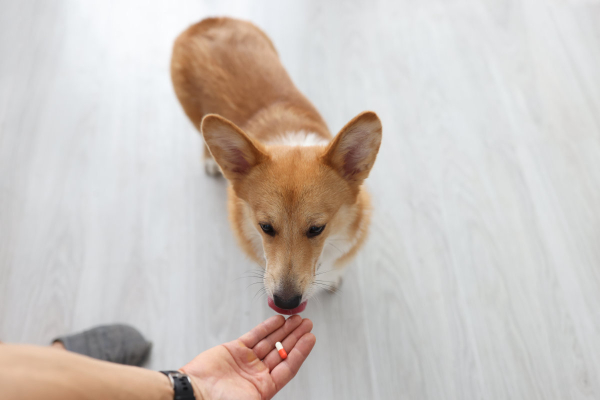
Once a dog is on seizure medications, he or she usually takes them for the rest of his or her life. However, there may occasionally be a situation where the vet may recommend weaning your dog off of them.
Monitoring for dogs on anticonvulsant medications
If your dog is on prescription medications, regular rechecks and bloodwork are important. The vet will want to monitor drug levels to ensure the dosing is appropriate. Plus, checking parameters such as liver values can help determine if the medication could be having any negative effects on the body.
During these appointments, the vet will also discuss any side effects you are noticing and your overall perception of how well your dog’s seizures are controlled.
Medications for status epilepticus or cluster seizures
If your dog experiences severe cluster seizures or status epilepticus, he or she may require intravenous (IV) medications such as Valium® (diazepam) or Versed® (midazolam) to stop the seizures. Or, it might take anesthetic medications (ketamine, propofol, etc.) to control more refractory status epilepticus. In an emergency situation, the veterinarian will administer these medications in the clinic or emergency room.
However, diazepam and midazolam are also available in alternative preparations that your veterinarian can teach you to safely administer in emergencies. Diazepam can be administered rectally as a suppository, and midazolam is effective when given intranasally in an aerosolized form. Your vet will give you specific instructions on when and how to administer those medications and what to do once you have given them.
Special diets to help with seizure control
Several prescription diets are available as adjunct therapy options for dogs with grand mal seizures. Purina Pro Plan® Neurocare™, Purina® Bright Mind, and Hill’s® Prescription Diet® b/d are three of the most popular diet options. Hill’s b/d incorporates omega-6 fatty acids and omega-3 fatty acids for dogs (EPA and DHA). And Purina Neurocare and Bright Mind contain EPA, DHA, and medium-chain triglycerides (MCTs) to support brain health.
Supplements for brain health
If your dog is already on a prescription diet for a different condition or is a notoriously finicky eater, changing to a brain health diet may not be a realistic option for you. In this case, a nutritional supplement like Dr. Buzby’s Brain Boost™ Organic MCT Oil for Dogs is an effective alternative to a diet transition. Dr. Buzby’s Brain Boost is formulated with MCT oil for dogs for neuronal support and repair. Plus, it provides a quick and easy-to-use energy source for the brain.
NOTE: Brain Boost is not intended to be a replacement for traditional anti-convulsant therapy. Rather, it can work synergistically with seizure control medications to raise the seizure threshold, potentially leading to fewer seizures.
Acupressure for grand mal seizure control
If you have been searching for complementary therapies to help your dog, speak with your veterinarian about the benefits of acupressure, particularly vagal nerve stimulation. This technique involves applying gentle pressure to your dog’s closed eyes for 10-20 seconds when the first signs of an impending seizure appear. Repeating the vagal nerve stimulation technique every 5 minutes may help prevent the onset of a seizure.
Other alternative therapies
As an alternative to acupressure, a pacemaker-like device can be implanted near the left cervical (neck) vagal nerve in dogs. It delivers repetitive stimulation to the area, disrupting the abnormal electrical activity that may precipitate a seizure event.
Acupuncture for dogs and auricular (near the ear) gold bead implantation are integrative therapies that may also provide relief from seizure activity. Additionally, there are a variety of other Traditional Chinese Veterinary Medicine (TCVM) approaches for seizures. In some cases, these options allow for a decrease in medication dosing while still effectively providing seizure control.
You have an important role in managing seizures too
You can’t control how well your dog responds to the various seizure management approaches. But you can make your best effort to ensure your dog gets his or her medications on time. Plus, keeping a seizure diary and vigilantly observing your dog’s daily behaviors can be crucial in assisting your veterinary team in making appropriate treatment and management recommendations.
This diligent monitoring can also prepare you to intervene safely to minimize or manage a seizure event—either with rescue medications (rectal diazepam or intranasal midazolam) or acupressure techniques.
Remember, status epilepticus (seizures longer than five minutes or multiple back to back seizures) is an emergency. If you think your dog is in status epilepticus and he or she doesn’t respond the diazepam or midazolam (or if you don’t have rescue drugs at home), head to the emergency vet immediately. In some cases, your vet may even recommend giving the drugs then getting in the car and starting to drive to the clinic or ER rather than waiting at home to see if they work, especially if you live far away.
Can you prevent grand mal seizures?
Once you know your dog is prone to grand mal seizures, you and your vet can work together to create a treatment plan that minimizes the number of seizures your dog has from that point on. However, most of the time, there isn’t a way you could have avoided or prevented that first seizure (or first few seizures) from occurring.
That said, it doesn’t hurt to take steps to help your dog avoid as many seizure triggers as possible. For example, preventing exposure to toxins, reducing stress, and working closely with your veterinarian to manage your dog’s other health conditions (if any) is helpful. Plus, if your dog is at risk for seizures, you could consider taking steps that improve overall brain health such starting a specialized diet (Neurocare, Bright Minds, or b/d) or health supplements like Brain Boost (MCT oil).
What is the prognosis for dogs with grand mal seizures?
As you can imagine, the prognosis for dogs with grand mal seizures varies greatly depending on the cause of the seizures and how well they are able to be controlled. Dogs who are having seizures due to a toxin exposure or underlying problem which can be corrected may not need to be on an anticonvulsant long term. And dogs who only have one grand mal seizure and never have one again may not need medications at all.
However, often diagnosis of a generalized seizure disorder in your dog can be a life-changing experience for both you and your beloved canine companion. The majority of seizure diagnoses will require some type of long-term management, whether it be traditional or alternative therapies, or a combination of these.
Unfortunately, if your dog is experiencing seizures that don’t respond to treatment, are hard to control, or stem from a brain tumor, there sometimes comes a point where euthanasia is the kindest choice. This is especially true if severe health issues or frequent seizures are preventing your dog from having a good quality of life.
Partner with your vet on your dog’s seizure journey
Caring for your dog after the diagnosis of a seizure disorder can be a challenging journey—but it’s also a testament to the depth of the bond you have with your beloved four-legged companion. Life may look a little different as you get used to the routine of seizure medications and monitoring, and as you wrap your mind around the fact that your dog is having seizures. That’s ok, and to be expected.
Along the way, maintaining a good relationship with your veterinarian is so helpful. You have an important job as your dog’s primary caregiver and best advocate. But also including a caring veterinary team on this journey will help keep your dog as happy and healthy as possible for the rest of his or her days.
Does your dog have grand mal seizures?
Please comment below.


My 13 year old terrier had a stroke a year ago , after a week he started walking again & gaining strength . He is probably 95%back to normal . He has had allergies in spring & fall seasons, this past fall my vet gave him cytopoint for his excessive itchiness , licking it seemed to help but we’ve had a mild winter & he started the licking, scratching chewing in December so she gave him another injection of cytopoint( it again seemed to help some. He seems to have some weakness in his hind legs , I have been using your toe grips until a few weeks ago – he had started chewing on his nails & licking his paws. He also has started a strange thing it’s like his scratching with his allergy but it seems like it automatic -uncontrollable . He will be moving along & just plop down on his bottom & hiis leg will paddle and he will scoot around in a circle. He isn’t scratching his side just paddling his leg /foot. When he is sleeping he will start jerking / kicking his leg – it doesn’t wake so at first I thought he was dreaming chasing rabbits but it seem more like spasms??? He does it a lot ( he sleeps more now than before his stroke) I have an appt with my vet next week but do you have any idea/ suggestions?
Hi CB,
I’m so glad that you have an appointment with your vet so that he or she can help you sort out this new and unusual behavior. If possible, it would probably be very helpful to your vet if you took a video during some of these episodes and then showed it to him or her. Your description of the plopping down and scooting around makes me wonder if your dog’s anal glands could be bothering him or if he is having some intense itching that is centered more around his anus. During the appointment, your vet should be able to evaluate your dog’s anal glands and that whole area. Does he seem aware of what is going on around him? If you call his name or try to distract him with a treat, does he stop?
As far as the jerking and kicking while sleeping, without seeing him do it, it is hard to know if he is just dreaming or if there could be something else going on. Hopefully after seeing a video and examining your dog, your vet will be able to give you more definite answers.
Sorry to hear that your dog had been chewing on his nails and paws so you had to stop using the ToeGrips. I’ll have customer service reach out to you!