ITP in dogs can be a scary diagnosis but it doesn’t have to keep your dog from living a great life. Take it from Dr. Laura Garlow, veterinarian and mom to Fletcher, a Goldendoodle who lived with ITP for nine years. On the invitation of integrative veterinarian Dr. Julie Buzby, Dr. Garlow takes a comprehensive look at ITP in dogs and shares her experience walking this path with Fletcher.

I think that everyone’s first dog as a “grown-up” holds an extra special place in their heart. That was the case for me and Fletcher. I like to affectionately call Fletcher the “best bad dog” in the world. No other dog will ever be able to fill the Goldendoodle-sized hole he left in my heart when he passed away a little over a year ago at the respectable age of 11. He had a long happy life, nine years of which he lived with immune-mediated thrombocytopenia, but it still never feels like long enough.
My now-husband (who was my fiancée at the time) and I picked Fletcher up as a rambunctious ball of fluff the summer before I started veterinary school. I wanted to make sure I did everything right. So I spent that summer reading all the puppy training manuals I could and hiding everything chewable in our little apartment.
Fast forward a couple of years and Fletcher had turned into a pretty great dog. Maybe the puppy training manuals I poured over so carefully had worked. Or maybe he was just destined to have a wonderful temperament. Regardless, he was a good boy and he brought us so much joy.
Tiny signs of an issue with blood clotting
My husband and I got married during the summer between my second and third year of veterinary school. While on our honeymoon, we boarded Fletcher at a doggy daycare that he loved. He had a blast playing with his doggy friends but had gotten a little scruffy. So when we got home, I gave him a bath, dried him off, and brushed him out. He was his normal self at that point. But just a couple of hours later, I noticed that the insides of both of his ears were covered with tiny pin-prick red dots where I had brushed him.
While I was only halfway through my veterinary education, I knew enough to know that this was not normal. With a bad feeling in the pit of my stomach, I quickly texted a picture to a close friend and mentor. He confirmed my fear that the tiny pin pricks looked like petechia, or very small bruises. Then he gently reminded me that petechia are evidence of an issue with blood clotting. This meant we needed to have some lab work performed ASAP to try to pinpoint the problem.
Since Fletcher was otherwise feeling well with no other evidence of bleeding or bruising, we decided that it was okay for me to wait to take him into the clinic until first thing the following morning. I didn’t sleep a wink that night.
A diagnosis of ITP, immune mediated thrombocytopenia
We went into the clinic the next day. A couple of blood tests later and just like that, Fletcher had been diagnosed with immune mediated thrombocytopenia, or ITP.
This diagnosis had a profound impact on our family, and on my career. I developed a special interest in internal medicine and immune-mediated diseases. This interest led me to complete an intensive one-year internship at a specialty and emergency veterinary hospital after graduation. I found that I enjoyed the challenge of complicated medical cases, and I especially enjoyed helping pet parents understand and navigate the challenging situation of having a hospitalized pet.
After my internship, I spent many years at the same specialty hospital caring for sick hospitalized patients. In that time, I treated many wonderful dogs with immune-mediated thrombocytopenia. Through the years, I have learned so much about this condition, both from our experience with Fletcher, and from my experience caring for my patients. I want to share some of my knowledge with you.
If your beloved dog has been diagnosed with ITP, I hope you finish this article feeling empowered with the knowledge you need to face this challenge head-on.
What is ITP in dogs?
Immune mediated thrombocytopenia (ITP) is one of several autoimmune diseases in dogs. In ITP, the dog’s own immune system attacks and destroys his or her platelets. As a result, the dog has thrombocytopenia, which is the fancy medical term for a low platelet count.

Platelets 101
Platelets are tiny cell fragments within the blood. They are made in the bone marrow and are vital to blood clotting. You may think about platelets helping stop bleeding from a large cut or wound, but platelets aren’t just there for the primetime trauma. They also prevent life-threatening bleeding from normal daily microscopic wear and tear to blood vessels. When these tiny tears occur, platelets clump together at the site of the damage to form a blood clot. This stops any bleeding before you would even be able to notice there was an issue.
Normal platelet counts vary depending on the laboratory equipment being used to measure their levels. Generally speaking, a normal platelet count is anywhere from about 180,000 to 500,000 platelets per microliter of blood. Most of the time, there are no signs of ITP until the platelet count dips below about 40,000 platelets per microliter of blood. At that point, the risk of spontaneous bleeding sets in.
Occasionally, dogs are diagnosed with ITP due to a moderately low platelet count found by accident on routine yearly bloodwork. However, it is much more common for dog parents to have no idea there is a problem until the platelet count is less than 10,000 platelets per microliter and their beloved companion starts showing obvious signs of bleeding.
What are the symptoms of ITP?
The clinical signs of ITP can be broken into three main categories:
1. Direct signs of bleeding or bruising
- Small pinpoint bruises on the skin or mucous membranes (i.e. petechia)
- Larger bruises on the skin or mucous membranes (i.e. ecchymosis)
- Blood in the urine (i.e. hematuria)
- Dark, black, or tarry stool (i.e. melena)
- Fresh red blood in the stool (i.e. hematochezia)
- Blood in vomit that can appear like coffee grounds ( i.e. hematemesis)
- Nose bleeds in dogs (i.e. epistaxis)
- Bleeding into the whites of the eyes (i.e. scleral hemorrhage)
2. Signs related to anemia in dogs (i.e. low red blood cell count) from losing too much blood
- Pale or white gums
- A lethargic dog
- Decreased appetite
- Exercise intolerance
- Rapid heart rate
- A dog who is breathing fast
- Collapse
3. Signs related to the body system where bleeding has occurred
- Blindness from bleeding into the back of the eye (retinal hemorrhage)
- Dog seizures or other neurologic signs from bleeding in the brain
- Difficulty breathing from bleeding into the lungs
If you notice any of these signs, please make an appointment with your vet immediately. In some cases, severely affected dogs may need an emergency vet visit .
How does the vet reach an ITP diagnosis in dogs?
At the appointment, your veterinarian can check your dog’s number of platelets on the in-house laboratory equipment as part of a complete blood count (CBC). Since low platelets are the primary characteristic of ITP, a platelet count is the diagnostic tool of choice.
The CBC will also allow your veterinarian to check your dog’s red cell count. This is important as anemia can be present due to bleeding from ITP. Or sometimes ITP is combined with immune-mediated hemolytic anemia (IMHA in dogs). Evan’s Syndrome is the name for ITP and IMHA in dogs.
Occasionally platelets can clump together and read as falsely low with in-house machines. This means that in most cases, your veterinarian will want to confirm the low platelet count by looking at a blood smear underneath a microscope.
The vet will also take into consideration your dog’s age, gender, and breed when diagnosing ITP. Any dog can have immune-mediated thrombocytopenia, but like most conditions there are some dogs who might be more predisposed. Many auto-immune conditions are more common in females, and ITP follows that trend too. Middle-aged dogs are the age group most likely to have ITP. Some breeds have a higher risk as well. These include Poodles, Cocker Spaniels, and Old English Sheepdogs.
Once the vet has determined your dog has ITP, he or she will start looking for the underlying cause, if there is one.
What causes ITP in dogs?
When veterinarians think about ITP, they break it into two classifications—primary and secondary. Primary ITP (i.e. idiopathic ITP) is a diagnosis of exclusion. This means the vet will use additional diagnostic testing to rule out the presence of a trigger. If the vet doesn’t find a clear cause, he or she will categorize it as primary ITP.
Secondary ITP occurs when another medical condition triggers the immune system to run amok within the body, attacking its own cells. Common triggers of secondary ITP include:
Infections
Almost any infection can over-stimulate the immune system and trigger autoimmune disease. However, there are some infections where this is a much more common occurrence than others. Fleas and ticks spread many, but not all, of these infections.
Some of the more common infectious triggers of ITP include:
- Tick-borne disease in dogs such as Ehrlichia, Rocky Mountain Spotted Fever, or Babesia
- Bartonella
- Mycoplasma
- Leishmania
- Leptospirosis
- Heartworm disease in dogs
- Systemic fungal infections
Drugs or vaccines
- Sulfa drugs
- Cephalosporins
Note: While vaccines were once thought to be a common trigger for immune-mediated diseases like ITP, more recent studies have not supported this link. In general, vaccines are safe and do a great job of protecting your pet from preventable illness. If you are wondering which dog vaccines are absolutely necessary, I recommend having an open conversation about your concerns with your veterinarian.
Cancers
- Lymphoma in dogs
- Leukemia
- Multiple Myeloma
- Histiocytic Sarcoma
- Hemangiosarcoma in dogs
How do you find the underlying cause?
To look for these triggers, your veterinarian will study your pup’s medication and vaccine history, ask you questions about preventative medications and lifestyle, and run additional diagnostic tests.
Your vet may perform a more limited in-house test for some common tick-borne infections. Alternatively, more comprehensive tick panels are available through outside veterinary diagnostic laboratories. In some cases the vet may decide to start a course of the antibiotic doxycycline while awaiting these results because doxycycline is effective against many tick-borne diseases.
To look for any underlying evidence of cancer, your veterinarian will likely recommend full lab work. He or she may also recommend chest and abdominal radiographs or even an abdominal ultrasound.
Fletcher’s ITP trigger
In Fletcher’s case, he had not been on any recent medications and we were diligent about giving him his flea, tick, and heartworm preventative medications. His chest radiographs were normal. Since I had access to internal medicine specialists at my veterinary school, we also performed an ultrasound and a more comprehensive infectious disease panel a few days later. Thankfully, Fletcher’s ultrasound did not show any evidence of cancer.
When the infectious disease panel came back, we were surprised to discover that Fletcher was positive for Bartonella, an infection that is spread via fleas and can sometimes trigger ITP. We treated Fletcher’s Bartonella infection with a course of antibiotics and crossed our fingers.
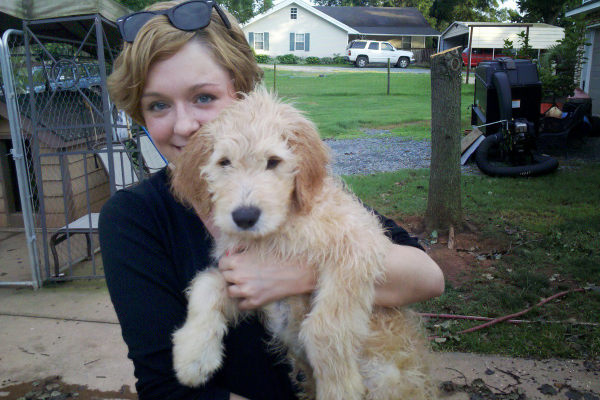
Many times, if you treat the underlying trigger, the ITP can resolve. However, this was unfortunately not the case for Fletcher. His ITP did not go away, but with the help of daily medications, he managed to have a wonderful life.
What is the treatment for ITP?
After reaching a diagnosis of ITP, the veterinarian will propose a treatment plan. It may involve:
Immunosuppressive medications
An out-of-control immune system is the root problem with ITP. So you would be correct if you guessed that medications to suppress the immune system are the mainstay of treatment. Steroids like prednisone for dogs are almost always part of the arsenal. However, the vet may also add on other secondary immunosuppressive medications like cyclosporine, mycophenolate, or azathioprine.
Vincristine
If your furry friend ends up needing to be hospitalized for ITP, your veterinarian may talk to you about a medication called vincristine. This is an injectable chemotherapy medication. Since it is given at a lower dose for dogs with ITP, side effects are rare. Vincristine functions to push any leftover tiny platelet fragments out of the bone marrow and into circulation. Studies have shown that dogs who receive vincristine have slightly shorter hospital stays due to a more rapid increase in their platelet count.
IVIG
Intravenous Immunoglobulin (IVIG) is a more intensive treatment option that veterinarians usually reach for in severe cases or if a patient is not responding to more standard therapy. It is a human product and can be quite expensive, making it cost prohibitive for many pet parents.
IVIG essentially works by neutralizing the immune system cells by clogging up the site where they would bind to the platelets they were planning to inappropriately destroy. It is an injectable medication that must be given in the hospital as an infusion. IVIG can be a good option for some situations, and is generally well-tolerated. However, it is not a common day-to-day medication in the arsenal against ITP.
If you are interested in learning more about vincristine and IVIG, a study published in the Journal of Veterinary Internal Medicine compared these two options in dogs with ITP.
Blood products
Some dogs with ITP experience significant blood loss since they cannot mount an effective clotting response. If dogs lose enough blood that they are experiencing clinical signs from their anemia, they may need a blood transfusion. Packed red blood cell transfusions are the most common type of blood transfusions performed in veterinary medicine. These transfusions don’t provide any platelets or stop the bleeding, but they do stabilize the patient to buy more time for the medications to stop platelet destruction.
In some cases, veterinarians may reach for a whole blood transfusion to help with anemia and ongoing life-threatening bleeding. Whole blood contains both red blood cells and platelets, but unfortunately the platelets in the transfusion last for an incredibly short time inside the body. They may very temporarily help with severe bleeding, but this effect is short-lived. Unfortunately, a whole blood transfusion will not lead to an increase in platelet count.
Since ITP destroys platelets, it would seem like giving the dog more platelets would be a good treatment option. However, while platelet transfusions are relatively common in human medicine, they aren’t that useful in dogs with ITP. Two issues are at play in this situation. The first is that canine platelet products have somewhat limited availability. The second and more significant issue is that the platelets, once transfused, will be destroyed within hours by the same abnormal immune response that is destroying the dog’s own platelets.
Other supportive care
If your beloved pup is diagnosed with ITP, your veterinarian may add in other supportive medications to help treat specific symptoms. These may include:
- Antacids or stomach coating medications if your dog is experiencing gastrointestinal bleeding.
- Antinausea medications if your dog is nauseous.
- Appetite stimulants for dogs if your dog is not eating.
Your veterinarian will work closely with you to tailor the medication and treatment plan to your furry family member’s specific situation.
What is the prognosis and survival rate for dogs with ITP?
Using the treatment options we just discussed, the short-term prognosis for ITP Is good. The overall survival rate is roughly 80 to 85%. Unfortunately, though, this does mean that 15 to 20% of dogs pass away or are euthanized due to ITP.
There are a couple of factors that have been linked to a lower survival rate for some dogs with ITP. These include bleeding from the GI tract and an elevation in a blood marker known as BUN. If your pup falls into one of these categories, instead of losing hope, I recommend specifically talking to your veterinarian about your worries and discussing ways to tailor your dog’s treatment to his or her specific clinical situation.
The ups and downs of ITP treatment
One of the harder things to counsel clients on during treatment for ITP is the very normal, but understandably anxiety-inducing waiting game. It can take anywhere from four to seven days on average for immunosuppressive medications to kick in. During that time, we often check the platelet count and red cell count on a daily basis.
It can be very disheartening for dog parents to see that platelet count go from 8,000 to 5,000 to 5,000 again, especially if their dog is showing signs of bleeding. However, it is important to understand that just because a dog hasn’t responded over the first few days, doesn’t mean they still don’t have a good chance of responding positively to their medications.
Indications of improvement
You can breathe a sigh of relief when your dog’s platelet count increases above about 40,000 platelets per microliter. This is generally when your veterinarian will consider your dog to be out of the woods. At this level, life-threatening spontaneous bleeding is much less likely. Even so, you will want to treat your dog as if he or she is quite fragile until the platelet count increases back into the normal range.
This means no running or jumping or boisterous play. I even tend to recommend soft or canned food to decrease the risk of bleeding from the gums while waiting for the platelet count to normalize.
Happily, once the platelet count begins to rise, it normally continues to do so very quickly. Your veterinarian will likely want to monitor the platelet count every several days until it is normal. Once the platelet count has been in the normal range for three to four weeks, then the first step is to gradually reduce the dose of the steroid medication (often prednisone).
The vet typically decreases the dose by about 25% every three to four weeks while continuing to monitor to ensure the platelet count does not start to drop back down. If a secondary immunosuppressive agent was part of the treatment regimen, the vet will decide whether or not to stop or wean that medication once he or she is able to get the dog off steroids.
Medication side effects
Vets aim to taper the steroid dose first because while steroids are potent and effective medications to suppress the immune system, they do come with a number of side effects. Being able to use lower doses of steroids can be one of the advantages of adding in a secondary immunosuppressive medication.
All dogs are susceptible to experiencing steroid side effects, but large and giant breed dogs tend to be most sensitive. Some of the side effects you might see with chronic, high-dose steroid administration include:
- Increased thirst in dogs and increased urination
- Increased panting
- Lethargy or listlessness
- Weight gain, especially for small to medium-sized dogs
- Weight loss and significant loss of muscle mass, especially for medium to larger breed dogs
- Pot-bellied dog appearance
- Increased appetite
- Increased risk of other infections (skin infections, UTIs in dogs, etc.)
- Thinning of the skin
- A thin or dull haircoat
- Insulin resistance, which may increase the chances of diabetes mellitus or cause issues in an already diabetic dog
- Iatrogenic Cushing’s disease in dogs
If you think your dog’s steroid side effects are becoming problematic, speak to your veterinarian. He or she may be able to adjust your dog’s medications to reduce or eliminate some of the side effects.
What to expect long-term
Because of these side effects, vets always hope that we will be able to wean our ITP patients off all of their medications. That is possible in many cases. However, approximately one-third of dogs will have a relapse of their ITP either during their medication tapering or at a later date.
Sometimes it can be harder to get these dogs back into remission, but often they do still respond well to immunosuppressive medications. In some cases, dogs end up on life-long immunosuppressive medications to keep their ITP at bay. The vet will always try to get them on the lowest doses of medications that both control their disease and minimize their side effects.

Fletcher’s long and happy life with ITP
I can’t end this article without telling you what happened to Fletcher. He responded well to his medications and went into remission quickly. Happily, he never ended up needing a stay in the hospital or any blood transfusions.
A couple of months after weaning off his medications, a routine recheck revealed a significantly decreased platelet count. This indicated a relapse, which of course we felt disappointed about. He responded well again but his platelets dropped once more as we got him on the lowest doses of medications. This meant that he fell into the camp of dogs who need lifelong immunosuppressive medications to keep their disease at bay.
We bought a pill organizer, and we were diligent about giving his medications every day and keeping up with his routine rechecks. He experienced some side effects of the long-term steroid use including having to pee more often and losing a lot of his muscle mass. Luckily, at this point I was working at a specialty hospital. The internal medicine specialists were great about giving me lots of advice on his care.
We switched up his medication cocktail and found the right combination of medications that kept him in remission but also minimized his side effects. He lived a very happy life on those medications for more than six years.
Fletcher’s legacy lives on
Fletcher’s happy-go-lucky nature was both a blessing and a curse because by the time he started to act sick from cancer (unrelated to his ITP), it was already in his liver, spleen, and bones. We kept him as comfortable as we could and fed him lots of tasty, previously off-limits foods. Then we let him go when he told us it was time.
We still miss him very much, but we have so many wonderful memories with him. I am grateful for all the lessons he taught me, both about navigating a diagnosis of ITP and about how to empathize with dog parents when they are dealing with a complicated medical condition in their beloved companions. I hope that if you are facing a diagnosis of immune-mediated thrombocytopenia with your beloved dog, this article and Fletcher’s story give you the knowledge and the hope you need to make it through to the other side.
Has your dog been diagnosed with ITP?
What words of advice do you have for other dog parents who find themselves in a similar situation?


Good Morning, I am at the infancy of an ITP diagnosis and trying to quickly learn as much as possible to make the best decisions. During a routine blood work exam for a dental procedure it was determined our 9 year old Chi had gone from a somewhat lowered count at the end of Nov 2023 to a more significant decrease. Blood was tested for tickborn disease which came back negative. The next step advised was a bone marrow sample for analysis. The practitioner who I believe to be an excellent vet is clearly not schooled to your level in this condition. It appears by all I have read a drastic next step. While not looking for a diagnosis or treatment, merely inquiring as to whether that is a best next course after initial diagnosis based on a blood test? Second question as a person who always leans toward natural approaches is diet and supplementing a reasonable initial approach.
Hi Brian,
I understand your concern for your senior pup and think it is great you are searching for answers. Without playing a personal role in your dog’s medical care it is hard for me to make specific recommendations. I agree it would be good to talk to your vet about all the testing options and find out why they are wanting to move forward with a biopsy. There could be some important details of this case that would lead to this recommendation and maybe things were just lost in communication. If you still have lingering concerns, it is ok to get a second opinion. I like to offer my patients the opportunity to speak with a specialist when dealing with complicated diseases such as ITP. You may want to consider a consultation for your boy. I like to use natural approaches when possible, but if your dog’s platelets are continuing to drop you may need to start treatment (usually a steroid) sooner rather than later. Hoping you can get things turned around quickly and praying for a positive outcome!
Hi, my 4 year old female Rottweiler recently started bleeding from her nose the other night (2 nights ago). I took her to emergency vet where she was transferred to a bigger hospital that can do all of the testing. the vet gave her a chemo therapy treatment last night and it didn’t seem to produce new blood platelets. they are starting her on blood transfusions tonight to boost her red blood cell count so she doesn’t go anemic. I am terrified for her. it is her 3rd day in the hospital. they are sure it is ITP primary but still ruling out with tests. when does it get better
Hi Anthony,
My heart goes out to you as you face this difficult situation with your young Rottweiler. I wish I could give you a specific timeframe for recovery, but the hard truth is no one really knows. Some dogs just take longer than others to stabilize. There is also a risk that your girl may not win this fight, but for now we will hold onto hope that the veterinary team can work their magic to keep her going. Feel free to leave an update if you have a chance. Praying for a positive outcome.
Hi Dr. Buzby,
My love bug Hestia was diagnosed with ITP on Oct 7, 2023. I am so heartbroken and scared. Her first bout was treated in the hospital (4 days) with antibiotics and prednisone. She responded well, but relapsed after steroids were reduced and antibiotics were stopped. The internist put her steroid dosage back to 40mg per day, and started her on cyclosporine. Her count went up to 64,000, then dropped to 6000 while on these meds. Sher started mycophenolate. She developed a bruise out of nowhere before she started. If an antibiotic/steroid combination worked so well, why isn’t the vet using an antibiotic again? I have so much anxiety!
Hi Sheryl,
I am sorry Hestia is battling this difficult condition. Antibiotics are not generally part of ITP treatment, so I am not sure why they were initially used or discontinued. The only thing that comes to mind is maybe your vet was suspicious of a tick-borne disease causing the ITP and most tick diseases are treated with doxycycline which also happens to be an antibiotic. I encourage you to talk to your vet and ask these lingering questions. They can give you more details and explain the factors that influenced their decision making. Hoping your sweet girl was able to keep fighting and make a full recovery. Best wishes to you and yours. ♥
Our 3 yr old chihuahua mix was just diagnosed after we took in for what we thought was a rash on her stomach. It turned out to be bruising and the vet took a simpler blood test and saw her platelets were low 13,000 when they prefer upwards to 50,000. Then they asked me to rush her to vet ER where she stayed another two days receiving other tests to rule out the tick infections and cancers. She started prednisone and was watched around the clock for 2 days. Then they called me and said she was stable, eating well, taking medication, but the result was slow in building those platelets back up. Now they are asking us to take her home over the weekend and make the necessary changes. It sounds very overwhelming, but I read this article over and over again!! It was very helpful. Thanks for being so thorough and the style of writing was very personable and easy to ready. I am really glad you shared Fletcher’s story. It’s hard to find other advice like this on the internet and your story was so positive too!
Hi Mandi,
I am sorry your little pup received this difficult diagnosis. What a blessing your vet was able to get answers so quickly and transfer her to the ER for more intensive care. I hope she was able to stabilize and is still comfortable at home. Praying she makes a full recovery and wishing you all the best for a long and happy future.
Hi fellow dog lovers
Our boy Ollie was diagnosed with ITP back in August 2022. I actually came to this site for help.
Good news is he responded well to treatment and still returns strong blood results on just a few meds a week now.
We have been experiencing a new issue though and I wonder if it’s related. Ollie has these episodes of blood noses. It always happens at night during sleeping, always his right nostril. It does clot and resolves itself but it’s also very concerning. Has anyone experienced this with their dog and ITP?
We’ve had a CT scan done which was clear, and his blood pressure is normal. Can anyone Recommend anything or provide advise? Our poor boy looks so defeated.
Thank you x
Ben
Hi Ben,
I am glad Ollie has done so well since his diagnosis over a year ago. I too am puzzled as to why he is experiencing these nose bleeds at night. It could be related to the ITP but I would think his blood work would show some evidence of an issue if this were the case. Here is a link to another article that may offer some new information or helpful tips: Dog Nose Bleed: 13 Causes (And How To Stop the Bleeding)
I hope you can find some answers and ensure Ollie is happy and feeling his best. Thank you for sharing your experience. Best wishes!
Thank you for this wonderful article. Our 8 year old Goldendoodle was just diagnosed last week with Immune-Mediated Thrombocytopenia. I think that is the same as ITP. We were fortunate to have a good groomer as she mentioned a couple of bruises and a minor rash on her belly. Our fur baby started prednisone 3 days ago. I appreciated reading about having patience, which is not something I practice well. Especially when I heard that I might want to consider treating with Vincristine (chemo medication) which would require my fur baby to stay in the hospital. It feels like so much as been thrown at us over the past week as we are truly overwhelmed. Our girl is clinically well and there has been no bleeding. Her Red and White cells all normal and platelets are at 7000. Thank you again for the really helpful information.
Hi Cynthia,
I am so glad you were able to catch this issue quickly and start treatment. What a blessing your groomer has been to you and your pup! It seems like things are headed in the right direction and your girl has responded well to the medication. Thank you for sharing your experience with our readers. Wishing you both the best of luck for a bright and happy future!
I have a 6 yo male newfie (98#). He had blood work done (CBC and chem) at a lower cost vet clinic this week which showed his platelet count to be 82. Everything else was normal. I sent the results of blood test to my current vet. He does have an appt. on 10./24 for his physical exam and fecal. My vet said to have a CBC and differential test done in 30 days at their clinic and go from there. He does not show any symptoms of ITP other than the lower platelet reading. This is the first blood test he’s had. I’ve had him 3 years. I’ve read where a vet can do a blood smear to tell if the platelet count is low. Why would another blood test need to be done? I will ask that at appt. Your suggestions?
Hi Pamela,
I understand your concern for your big guy and think it is great you are searching for more information. Of course, I cannot say for sure why your vet has made specific recommendations. But if I had to guess, they probably want to repeat the lab work to make sure it was not just a transient issue and also to see if the platelet count has increased or decreased. Low platelets do not always have to be due to ITP and your vet may want to do more testing to rule out other possibilities. Here is an article with more information: Low Platelets in Dogs: Thrombocytopenia
I hope you receive good news at the next checkup. Wishing you and your sweet boy the best of luck for many happy years ahead.
We have an 8 year old Miniature Schnauzer who was diagnosed today with ITP. Our Vet called us back saying his platelet count was zero. He did the test again to confirm and it showed zero again. He is starting him on steroids today and other meds to help with side effects. With a zero count is there any hope for our baby? Is there anything we should ask our vet to do or check on?
Dear Brad,
My heart goes out to you as you face this difficult diagnosis in your Schnauzer. There is definitely hope and there are countless stories just like yours that have had a happy ending. It sounds like your vet is starting the necessary medications and for now it may be a waiting game. If the medications cannot get the platelet count up by themselves, you may have to make a decision about trying a blood or plasma transfusion. Don’t forget you can always ask for a consultation or referral to a specialist if needed. Praying your sweet boy can keep fighting and make a full recovery. Don’t lose hope and know we are all here wishing you the best.
Hi Brad,
My shi tzu was diagnosed with itp at the beginning of June this year and none of the conventional therapy medication worked.He had prednisone and mycophenolate wich is a humane medicine to calm down the immune system.My booboo had zero platelets also a few times.I came across a medicine called N plate,a humane medicine to used by people that have itp and his platelets went up within a week from 0 to 648 and he is still doing great.I have written about it in the comment section so if you are interested i advise you to read into it.I wish you all the best with your dog child🙋🏻♀️
Greets,Chomissa
My 7yr old pit mix was diagnosed with primary ITP just over 3 months ago. She has relapsed twice with two taper attempts. She is now also on mycophenolate, which was there during the second taper attempt but I’m assuming it might not have been enough. The internist is recommend 3 other options for a third immunosuppressant. What were your immunosuppressant drugs for Fletcher? We’re desperately trying to get our poor Molly off prednisone, she is now slowly beginning to get the rash-looking skin on her belly which is probably calcinosis cutis.
Hi Max,
I am sorry your girl has not been able to wean off her medications without starting to relapse. This article was written by Dr. Laura Garlow about her own dog. I am not sure what specific medications she used, but it sounds like the internist is doing everything they can to get things under control. How is your girl doing today? Hoping she was able to stabilize and make a full recovery. Bless you and your pup.
Our 15 + year old Boston Terrier was just diagnosed with ITP. She has a mass on her spleen which they suspect may be the cause. We’ve been treating her for a week now and she goes back for follow up this week. Due to her age we’re considering if euthanasia is the most humane choice for her, or if we should continue with treatment. She’s not herself but she’s not in pain. We know it’s just a matter of time and want what’s best for her. Any thoughts? She’s lived a great long life and we will certainly miss her.
Dear Pat,
I am sorry your senior girl has received this difficult diagnosis. I understand your concern for her quality of life and think it would be ok to consider euthanasia to prevent unnecessary suffering in this situation. Sometimes letting go is the most loving option. Of course without examining your girl myself, it is hard to make specific recommendations. I encourage you to trust your instincts as you know your girl better than anyone. Hoping you can find the answers you need to make the best choice for everyone involved. Bless you and your sweet girl.