Wheelchairs and harnesses and braces…Oh My! Choosing a dog mobility aid can feel overwhelming, but integrative veterinarian Dr. Buzby is here to help. She discusses the benefits, uses, and limitations for 10 mobility aids. And she helps dog parents understand which one(s) might work best for different issues.
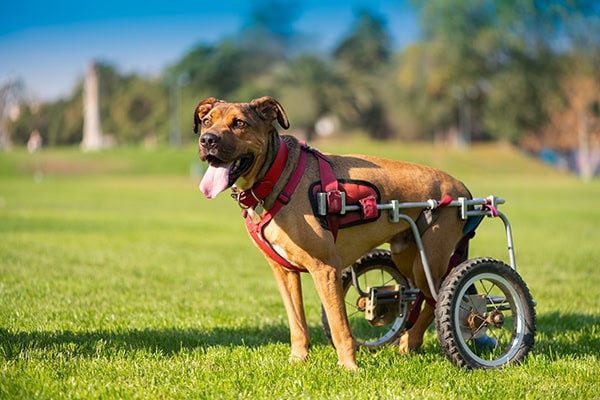
Watching your dog struggle to stand, walk, or get around the house can be heartbreaking. Whether your dog is slowing down with age, living with arthritis, recovering from an injury, or dealing with a neurological condition, the right mobility aid can make a remarkable difference in his or her comfort, confidence, and quality of life.
Fortunately, there isn’t just one type of dog mobility aid. From dog wheelchairs to braces to traction aids, different tools are designed to address different mobility challenges.
What are dog mobility aids?
Dog mobility aids are devices or products designed to help dogs get around more safely and comfortably when pain, weakness, instability, injury, or neurological problems interfere with normal movement.
Some walking aids, like a wheelchair, sling, or mobility harness, may support part of the dog’s body. Others, such as ToeGrips or rugs, improve traction or help prevent falls. Your dog might use one short-term while recovering. Or a particular aid may become a valuable part of your dog’s long-term routine. The options are as varied as the dogs using them.
Go to the vet before using a mobility aid
Before choosing a mobility aid, it is important to have your veterinarian evaluate your dog. He or she can help determine the underlying cause of your dog’s mobility challenges and recommend an appropriate treatment plan.
Mobility problems can have many different causes, including arthritis, orthopedic injuries, neurological diseases, and more. Thus, in some cases, veterinary treatment may ultimately do more good than a mobility aid alone. While helpful, mobility aids aren’t intended to take the place of medications, surgery, or other veterinary care. Instead, they play a supporting role (pun intended).
If a mobility aid is an appropriate part of your dog’s care plan, your veterinarian can also help you choose the one that is best for your dog. The exact aid depends on the type and severity of your dog’s mobility challenges, as well as his or her individual needs. To narrow down the choices, you and your vet may consider:
- Why your dog is having trouble getting around
- Which legs are affected
- How much strength and coordination your dog has
- Where he or she needs the most help
- If the need for a mobility aid is likely to be temporary or permanent
10 Mobility aids for dogs
To help you begin selecting a mobility aid for your dog, the chart below provides a quick overview of some of the most common options for dogs, the situations they may be best suited for, and a few important considerations for each.
| Mobility Aid | Best for | How It Works | Important Considerations |
|---|---|---|---|
| Dr. Buzby’s ToeGrips® dog nail grips | Traction wherever the dog goes | Enhances a slipping dog’s natural ability to grip surfaces with the nails | 1. Proper sizing and placement are important for success 2. For some dogs like TriPawds and dogs with neurologic conditions, may need gluing to secure |
| Dog boots & socks | Paw protection | Shields paws from hot pavement, ice, rough terrain, and rocks | 1. May alter gait and interfere with natural traction 2. Dogs may not tolerate boots well 3. May cause skin issues |
| Area rugs, carpets & yoga mats | Traction in the home | Gives the dog a more grippy surface to walk on | 1. Secure rugs and mats so they don’t shift and cause tripping 2. Gaps in floor coverage could lead to slipping or fear |
| Mobility and support harnesses | Assistance with standing or walking | Allows dog parent to support the dog’s body weight when the dog is getting up, standing, walking, or climbing stairs | 1. Must fit properly 2. Need to monitor for rubbing and pressure sores |
| Dog slings | Short-term assistance, especially for hind-end weakness | Dog parent can support some body weight during standing or short walks | Provides less control than a harness and generally isn’t ideal for long-term use |
| Braces and orthotics | Stabilizing a specific joint or limb | Provides stability, limits unwanted movement and/or supports limb function | Must be appropriately selected and fitted for the individual dog for maximum support and to prevent rubbing |
| Dog wheelchairs and carts | Mobility in dogs with significant weakness or loss of function | Supports some or all of the dog’s weight and improves mobility; allows dogs to move more independently | 1. Proper fit is critical 2. Dogs may need training and extra skin/limb care 3. Must monitor for pressure sores |
| Prosthetics | Dogs with an amputation or congenital limb difference | Can improve balance, support, and function | 1. Not every dog is a candidate—fit, remaining limbs, and overall health matter 2. Requires training and an adjustment period |
| Ramps | Dogs who need help with stairs or jumping up and down, those who are are at risk for back (or leg) injuries | Reduces jumping, joint impact, and physical strain | Some dogs need time and positive reinforcement to learn to use a ramp |
| Rehabilitation therapy | A wide variety of mobility problems | Builds strength, balance, flexibility, coordination, and function | Should be customized to the individual dog and guided by a veterinarian or rehab professional |
Below are more detailed descriptions of these 10 mobility aids for dogs.
1. ToeGrips® dog nail grips
Best for: Senior, arthritic, or special-needs dogs who struggle with slipping and sliding on hard indoor surfaces like hardwood, laminate, or tile.
If your dog can rise and walk reasonably well on carpet, rugs, grass, or other high-traction surfaces but slips on hardwood, tile, LVP, laminate, or other smooth flooring, your dog may be struggling with a traction problem rather than an inability to walk..
That’s where Dr. Buzby’s ToeGrips® dog nail grips can help.
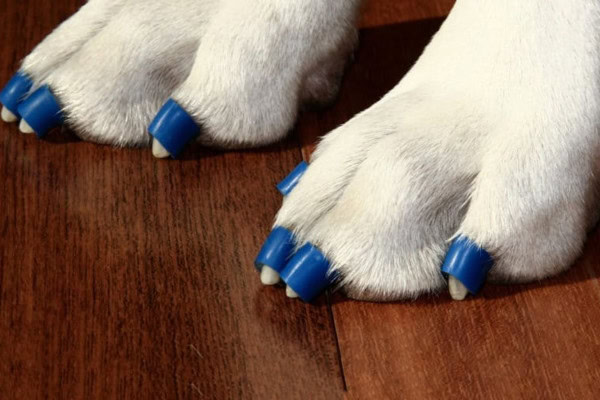
Dogs naturally use their nails for traction by flexing their paws to dig the nails into the ground like soccer cleats. But hard nails can’t grip hard floors.
ToeGrips are small, non-slip grips that fit onto the tips of a dog’s toenails. They create the GripZone™, allowing the toenails to grip smooth flooring and provide traction.
And unlike socks or booties that cover a dog’s whole paw and toenails, ToeGrips do not interfere with any natural mechanisms for walking. Dogs are also less likely to notice them and they have a lower chance of causing skin irritation than booties or socks.
Dogs who may benefit from ToeGrips
ToeGrips may be a good mobility aid for senior dogs in general, but they are particularly useful in the following situations or conditions:
- Osteoarthritis in dogs
- Dog’s back legs are weak
- Torn ACL in dogs
- Dogs recovering from orthopedic surgery
- Hip dysplasia in dogs
- Iliopsoas strain: Injury to a muscle that flexes the hip
- Some neurological conditions such as degenerative myelopathy in dogs
- Intervertebral disc disease (IVDD in dogs)
- Blind or visually impaired dogs: ToeGrips may help them sense the position of their feet and walk with more confidence
- Tripawd® dogs (three legged dogs)
- Dogs who use a wheelchair
- Dogs in undergoing rehabilitation therapy
ToeGrips don’t make up for loss of function. But they can improve the ability and mobility that your dog already has.
Important considerations for ToeGrips
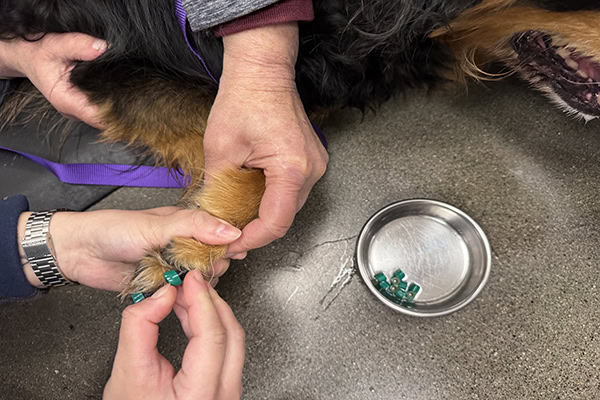
- Proper sizing and placement are the key to success. ToeGrips should fit snugly and be positioned correctly to establish the intended GripZone without riding up toward the nail bed. It is important to monitor dogs daily after application to ensure the ToeGrips sit in the correct position.
- Dogs who are three-legged, drag or scuff their feet, have an altered gait, or are active seniors likely need super glue (like Scotch® Super Glue Gel) to keep the ToeGrips secured and in the right place.
- ToeGrips are generally better suited to senior dogs and those with a lower activity level. Highly active puppies or dogs are more likely to tug them off with activity.
Bottom line: If your dog walks well on carpet or outside but slips on hardwood or other smooth floors, ToeGrips may be one of the simplest and most natural mobility aids to consider.
2. Dog booties and socks
Best for: Paw protection for dogs.
When a dog is slipping, people may think dog booties or socks are a potential solution, but that actually isn’t the case. Boots completely cover the paw and toenails and do not complement normal functions of the paw. Instead, they change the way dogs experience the feel of the ground and sense their environment. Plus, they inhibit a dog’s natural ability to use the nails for traction.
Where boots and socks shine instead is keeping a dog’s paws safe. Dog boots and socks, like PawZ dog boots, are a good way to protect paws from hot pavement, ice, rough terrain, rocks, and other environmental hazards. This makes them especially useful for dogs who are outdoors or need extra paw protection.
Important considerations for booties and socks
- Boots and socks aren’t great for improving traction, but they do protect the paws.
- Since they cover the foot, boots restrict airflow and can cause skin irritation (especially if worn for prolonged periods).
- Many dogs find boots irritating and uncomfortable, causing them to “high step” or walk abnormally.
Bottom line: Boots can be excellent for paw protection but they are not ideal for improving traction.
3. Yoga mats and area rugs
Best for: Providing traction on hard and smooth floors.
You may not think area rugs, carpets, and yoga mats are mobility aids. But, like ToeGrips, they can help improve traction for senior and special needs dogs who struggle to get up or walk without slipping.
Rugs and mats improve traction by replacing a smooth surface with something with grip. They mimic carpet or grass, which is easier for dogs to walk on and lets them use their nails like cleats.
Important considerations for area rugs and yoga mats
- Rugs and mats can be very effective for improving your dog’s traction. However, it’s important to consider where you place them and how you arrange them. If there are gaps between the rugs or areas the mats don’t cover, dogs may still slip there. Or they may be reluctant to leave the “safe” zone where there is adequate floor coverage.
- Area rugs don’t travel with the dog. If you take your dog somewhere with hard floors, your dog may slip or be afraid at the new location (such as the groomer). Thus, if you frequently go new places you may also want to use traction that travels like ToeGrips.
- Always make sure you lay rugs flat and if possible, secure them to the ground. This can help avoid the rugs or mats shifting or rolling, which may cause your dog (or you) to trip.
Bottom line: Rugs and mats work well to improve traction. But if there are gaps in floor coverage or your dog travels somewhere without rugs, he or she may slip or be afraid to walk.
4. Dog mobility and support harnesses
Best for: Dogs who need help standing, walking, climbing stairs, or getting outside, or are in rehab after an injury or surgery.
The word “dog harness”, may make you think of the harness some people use when walking their dog on a leash. However, mobility and support harnesses are different. They are specifically designed with handles and additional supports to help you help your dog stand and support some of your dog’s weight while he or she walks.
There are mobility harnesses that support the front legs, rear legs, or most of the body. This allows you to find the location and level of support your dog needs.
A support harness may be particularly helpful for dogs with:
- Arthritis
- Back pain
- Hip dysplasia
- Hind-limb weakness
- Neurological disease like IVDD, degenerative myelopathy, or paralysis
- General age-related weakness
Mobility harnesses are also very beneficial for dogs in rehab. If your dog is re-learning how to walk or recovering from an injury or surgery, a harness gives you the ability to support him or her. And at the same time you can be monitoring your dog to ensure he or she is moving correctly and in a way that won’t worsen the injury.
If you are looking for a harness to try, the Help ‘Em Up Harness is one of my favorite walking aids. However, your vet or rehab professional may also have a different one they recommend.
Important considerations for support harnesses
- A harness should fit properly and be used according to your veterinarian’s recommendations. This helps ensure it is providing appropriate support rather than accidentally putting extra strain on another part of the body.
- If you use the harness for extended periods, monitor your dog for pressure sores and irritation from rubbing.
Bottom line: Mobility harnesses can be a great choice if your dog needs assistance walking. You can use them in many different situations and they provide great mobility support.
5. Dog slings
Best for: Short periods of assistance, especially with hind-end weakness.
A sling is a relatively easy mobility aid that helps you support some of your dog’s weight while he or she walks.
Slings can be as simple as a towel positioned lengthwise under your dog’s belly right in front of his or her hind legs. Towel slings are cost-effective and a possible temporary option. While they may help some with the front legs, they work better for dogs struggling in the rear end.
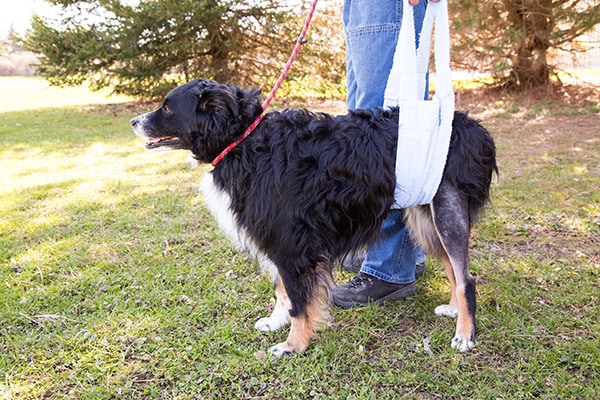
Alternatively, you can buy a sling specifically made for dogs with built-in handles. Like towel slings, some dog slings help with front-leg mobility, but most are designed for the rear end.
Regardless of the type of sling you use, they work best as short-term solutions for dogs who need help standing or carrying their weight. Slings can be especially useful during recovery from an injury or surgery and for dogs with certain neurological conditions. However, if your dog needs more support or is likely to need help long term, a mobility harness may be the way to go.
Important considerations for dog slings
- Slings do not provide as much control and support as a properly-fitted mobility harness. They may also be difficult to use for longer walks or periods of movement, especially for dogs who need substantial support.
- Slings are not intended as a long-term solution for most dogs. This means they are not ideal for continuous use for senior dogs, arthritic dogs, dogs with hip dysplasia, or dogs with permanent paralysis.
- If you use a sling, place it in the proper position and use it as directed. Your veterinarian can show you how to use one safely for your dog. When you are done using it, remove it again.
- For male dogs, you may need to move the sling out of the way while your dog is urinating. Some products have cut-outs to reduce this issue.
Bottom line: A sling can be an inexpensive and convenient option when your dog needs temporary support for standing or walking short distances.
6. Braces and orthotics
Best for: Dogs with specific joint instability, weakness, or injuries.
A brace or orthotic device is designed to support, stabilize, or improve the function of a specific limb or joint. Each device has a particular purpose, or “job,” based on the needs of the dog and the structure it is supporting.
Depending on its design, a brace may help stabilize a weak or unstable joint, protect an injured or healing structure, limit unwanted movement, keep a joint in the proper position, or improve the dog’s ability to use the affected limb.
The vet may recommend braces and orthotics for a variety of orthopedic or neurological conditions. This includes injuries (like a dog ACL brace for a torn ACL), joint instability (such as a carpal brace for carpal hyperextension in dogs), partial paralysis, or weakness caused by nerve or muscle dysfunction. Dog braces are available for the elbows, knees, hips, wrists (carpi), hocks, and shoulders.
Braces vary in the level of compression and support depending on the construction. Veterinarians select them based on the dog’s individual anatomy and the specific medical problem they hope to address. A properly fitted brace or orthotic should provide the necessary support without restricting healthy movement or creating pressure on the surrounding tissues.
Important considerations for dog braces
Fit is extremely important for braces and orthotics. A poorly-fitted brace can cause rubbing, skin irritation, or pressure sores. Additionally, a brace that restricts or pulls the wrong way can interfere with normal motion and do more harm than good.
For that reason, it’s best to select and fit braces with guidance from your veterinarian.
Bottom line: Braces can be excellent tools for the right dog and the right condition, but it is important to use them appropriately.
7. Dog wheelchairs and carts
Best for: Dogs with significant weakness or loss of function in one or multiple legs.
When a dog cannot walk normally because of severe weakness, paralysis, a congenital abnormality, an amputated leg, or another condition, a wheelchair may provide a whole new level of independence.
Rear support carts for dogs with significant hind-limb weakness tend to be more common. Depending on the design and the dog’s condition, carts can allow a dog to move around while supporting some or all of his or her weight.
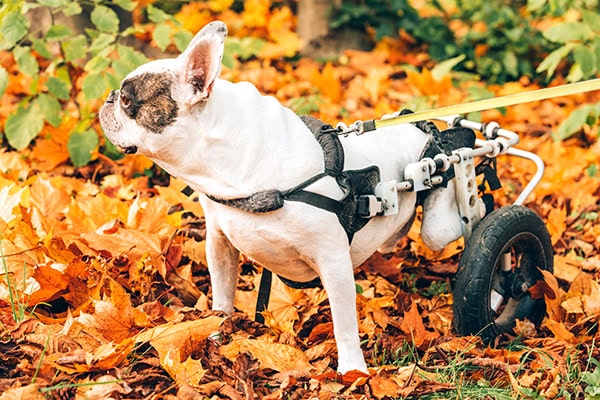
Wheelchairs are also available for dogs who need front-limb support. Dogs of all breeds and sizes (including small and large) can use carts if deemed necessary.
Wheelchairs may be a good option for dogs with conditions such as:
- Degenerative myelopathy
- IVDD
- Spinal cord disease
- Paralysis
- Severe limb weakness
- Certain orthopedic conditions that limit mobility such as hip dysplasia
- Dog leg amputation
- Congenital abnormalities
Does a dog wheelchair mean my dog will never walk without one again?
Some paralyzed dogs or those who have developed other physical limitations may rely on the wheelchair for the rest of their life, However, a wheelchair is an assistive device, and its use can be temporary.
Some dogs may benefit from using one as a part of their rehabilitation. Even if only needed for a short time, a wheelchair may give your dog more opportunity to improve strength and muscle coordination or adapt to his or her new physical limits.
Whether a wheelchair is appropriate, and how much time a dog should spend using one, depends on the dog’s condition and rehabilitation goals.
Important considerations for dog wheelchairs
- Wheelchairs must be fitted properly to each dog. Improperly fitted carts can lead to pressure sores, further injury, and discomfort. Plus they may be less effective at improving your dog’s mobility.
- Dogs often need training to learn how to use a wheelchair. It can take time and patience as you and your dog both adapt to the wheelchair.
- It is important to remember that dogs with significant mobility impairment may need extra care in general to prevent pressure sores in dogs and skin injuries. This is a particular concern if they drag their limbs or spend long periods lying down.
Bottom line: Wheelchairs can be a very beneficial tool for dogs with certain conditions. Fit is extremely important, and some dogs may need training before routine use.
8. Prosthetics
Best for: Dogs born with a limb difference or who have had a limb amputated.
A prosthetic device replaces all or part of a missing limb. For dogs who have undergone an amputation or were born with a congenital abnormality, a prosthesis may help restore some lost function and provide additional support during movement. They can also improve balance and mobility.
However, not every dog who has a limb difference or amputated leg needs a prosthesis. Vets typically consider them for dogs who have difficulty adapting or are placing additional strain on their bodies by compensating for the affected limb. In that case, the prosthetics will be designed based on the individual dog’s needs.
Important considerations for a dog prosthesis
- Not every dog is a good candidate for a prosthesis. The location and length of the remaining limb, the condition of the skin and tissues, the health of the other limbs, and the dog’s overall health and mobility all need to be considered.
- If your dog uses a prosthetic device, it must be properly fitted to avoid rubbing, pressure sores, or other injuries.
- Dogs need time to adjust to the device, and may need training and rehabilitation therapy to learn how to use it comfortably and effectively.
Therefore, a veterinarian should help you determine whether your dog is a good fit for a prosthesis.
Bottom line:
A prosthetic device can improve mobility for dogs with a limb difference or after an amputation if they are struggling or putting to much strain on their body. But proper fit and selection are important for safety and success.
9. Ramps
Best for: Dogs who struggle with stairs, jumping, or getting into vehicles.
Not every mobility aid needs to be something your dog wears. Sometimes the best way to help dogs with their mobility is to change the environment around them.
Ramps can make it easier for dogs to get into and out of vehicles or go in and out of a home. And they may prevent dogs from jumping on and off furniture. This helps reduce muscle strain, lower the risk of back injuries, reduce joint impact, and prevent injury.
Dog ramps can benefit any dog of any age and size. Even young dogs can learn how to use ramps (or dog stairs) early in life so they don’t put unnecessary strain on their body. Plus, they will already be used to them if they suddenly suffer an injury or mobility challenge.
Additionally, ramps are especially important for dogs who are at risk of injuring themselves when going up and down. This category includes those dogs who have long backs (Dachshunds, for example), back injuries, muscle weakness, or mobility issues.
Ramps can also reduce risk of injury or discomfort for senior dogs, dogs with arthritis, or dogs recovering from injury or surgery.
I really like DoggoRamps™ but there are many other great products out there too.
Important considerations for dog ramps
Some dogs may be unsure of ramps at first. They may need training and positive reinforcement to learn how to use them.
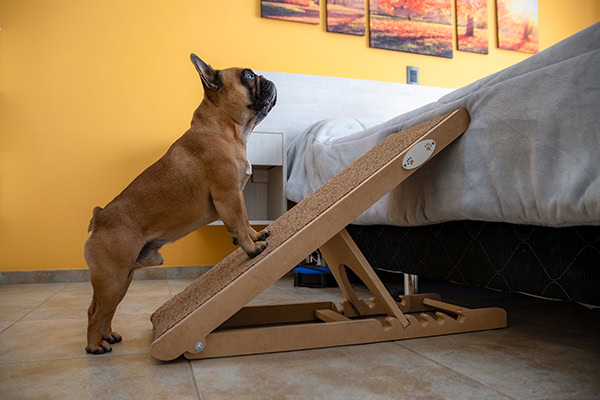
Bottom line: Ramps make your dog’s environment easier to navigate and reduce strain on his or her body.
10. Rehabilitation therapy
Best for: A wide variety of mobility problems in dogs.
While not technically a mobility aid product, rehabilitation therapy (physical therapy for dogs) can be extremely beneficial for dogs who struggle with mobility. It may include therapeutic exercise, hydrotherapy using an underwater treadmill for dogs, strength training, balance work, muscle building, relearning to walk, and other treatments designed to improve strength, balance, flexibility, and function.
Rehab can be an important part of the mobility treatment plan for dogs with:
- Arthritis
- Hip dysplasia
- Amputation
- Broken bones
- Torn ligaments or tendons
- Joint issues
- Muscle loss or strain
- Neurologic issues in dogs that affect mobility
- Back or spinal disease (including IVDD, degenerative myelopathy, and spinal stroke in dogs)
- Recovery from surgery or injury
- Front leg weakness
- Back leg weakness
As you can see, rehab therapy can benefit most dogs facing mobility problems. Each dog’s rehab plan will look different and is customized to the dog.
Important considerations:
- A veterinarian and a rehab therapist should fully assess your dog before you pursue rehab treatments.
- If doing rehab at home, be sure to show your dog’s veterinarian or therapist the plan and exercises you are using to ensure they don’t cause further injury.
Bottom line: Rehabilitation therapy works alongside many other mobility aids and treatment plans. It is customized to each dog and can be very beneficial.
How do I choose the right mobility aid for my dog?
Selecting the right mobility aid for your dog is one of the keys to success. Using one that doesn’t address your dog’s needs or doesn’t fit properly isn’t likely to be helpful, and may even worsen your dog’s condition.
To narrow down the list of options, it can be helpful to ask yourself, “Is my dog…”
- Slipping?
- Start by addressing traction. Nonslip flooring, rugs, and traction aids such as ToeGrips may help.
- Struggling to stand?
- A support harness or sling may provide the assistance he or she needs. Better traction can also improve a dog’s ability to stand.
- Weak in the hind legs?
- Rapid-onset or severe weakness requires veterinary attention first. Depending on the cause and severity, a harness, sling, brace, rehabilitation program, or wheelchair may be appropriate. Improved traction can also help dogs with hind-end weakness.
- Unable to use one or more legs?
- Start with a vet visit. After your veterinarian finds and addresses the underlying cause, he or she can discuss whether a cart, brace, or sling might be appropriate.
- Painful when walking?
- Don’t simply cover up the problem with a mobility aid. Your dog needs a veterinary evaluation to identify and treat the underlying cause.
- Struggling with stairs or jumping?
- A ramp, nonslip surfaces, and a support harness may be helpful.
- Recovering from surgery or injury?
- Follow your veterinarian’s activity restrictions and rehabilitation recommendations. The mobility aids your dog needs during recovery may change as your dog heals.
Remember, dogs who develop new severe mobility problems should be seen by the vet promptly. Do not use a mobility aid in lieu of a vet visit.
Can dogs use more than one mobility aid?
In some cases, a dog may benefit from more than one mobility aid (such as ToeGrips and a wheelchair). Using multiple aids provides extra support for your dog.
How many mobility aids your dog needs (and which ones) will heavily depend on your dog’s condition and the kind of help he or she requires. If you aren’t sure which combinations of aids are right for your dog, how to use them, or if they fit correctly, please consult your veterinarian. Proper use and fit is so important when it comes to mobility aids!
Continue to work with your vet
Your veterinarian is a great resource for getting you started on improving your dog’s mobility. But the work doesn’t stop there. Dogs with mobility problems generally require ongoing veterinary care as well as monitoring at home,
Keep a close eye on how your dog is doing with the walking aid. And if you have questions about your dog’s mobility aid or treatment plan, don’t hesitate to reach out to the vet. Additionally, it is a good idea to contact the vet promptly if you notice new or worsening symptoms.
In the event that your dog suddenly can’t stand or walk, or develops significantly worse weakness, please make an emergency vet visit. Some conditions like fractures or neurological diseases require immediate veterinary attention for the best prognosis.
Mobility matters
Mobility is more than walking from one room to another.
For dogs, moving comfortably means being able to get outside, explore, interact with their family, find a comfortable place to rest, and keep participating in the activities they enjoy.
Supporting mobility is a key part of maintaining a dog’s quality of life. But mobility support doesn’t look the same for every dog.
One senior dog may need a wheelchair. Another may need a harness to get up the stairs. Another may simply need better traction on the kitchen floor. And some dogs may need a combination of mobility aids.
The most important thing is to look at the whole dog—not just the legs that aren’t working perfectly—and work with your veterinarian to build a mobility plan that helps your dog move as safely, comfortably, and confidently as possible.
Which mobility aids does your dog benefit most from?
Please comment below.

