Stress colitis in dogs, as the name implies, occurs when a dog develops diarrhea (which may be bloody or contain mucous) as a result of some type of stress. Integrative veterinarian Dr. Julie Buzby discusses the causes, symptoms, diagnosis, treatment, and prevention of stress colitis in dogs.
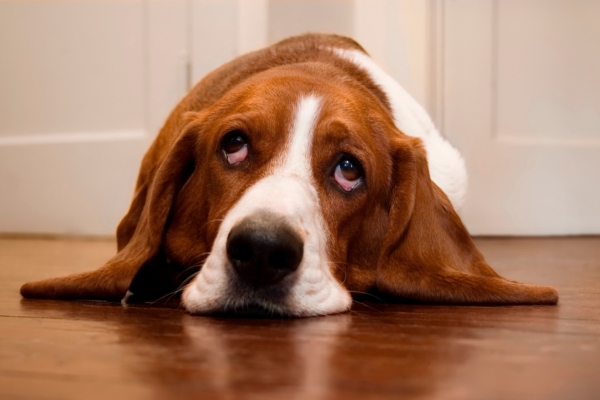
Picture this: You just arrived home from a road trip with your canine bestie, the oil light is blinking red on your vehicle, and you have an unexpected work deadline. And now your dog has diarrhea. Or here is another scenario: You’ve been busily preparing your home for out-of-town guests and your plumbing suddenly backs up. And your dog’s plumbing is malfunctioning too—doggy diarrhea all over the floor.
Other than dog diarrhea, what do both of these situations have in common? Stress! In dogs, sometimes stress can manifest as GI signs, or more specifically, in a condition aptly named stress colitis in dogs.
What is stress colitis in dogs?
Stress colitis is inflammation of the colon or large intestine (i.e. colitis) that occurs due to stress. As a result of the inflammation and changes in the bacterial population, the dog may develop diarrhea. This “stress diarrhea” may be bloody or contain mucous, and tends to cause frequent bowel movements and straining.
How does stress cause diarrhea?
It may sound a bit crazy that stress can cause diarrhea. But your dog’s digestive tract and nervous system are closely tied together. This means that when something, in this case stress, impacts the nervous system, it can have an effect on the small and large intestines too.
Stress is defined as any internal or external condition that changes the status quo. From your dog’s perspective, a normal state is when he or she is calm, relaxed, and happy. When stressful events happen, the dog may become anxious, nervous, or scared. And his or her “fight or flight” instincts may kick in.
As part of the “fight or flight” response, the nervous system slows digestion. And it redirects blood flow away from the GI tract and toward the muscles or other parts of the body needed to either fight or run away. The result can be inflammation in the colon and changes in the colonic bacterial population.
Normally, the colon is primarily responsible for absorbing water, vitamins, and electrolytes from the ingesta (i.e. material the animal eats). Plus, it also helps remove waste from the body by forming and storing stool that is then moved to the rectum for elimination.
However, when the colon becomes inflamed, it can’t do its job as well. More fluid tends to remain in the colon in colitis, hence the runny stools (i.e. diarrhea). And there is an increase in the permeability of the mucosal layer of the inside of the colon. Because of this, dogs with colitis can lose important nutrients in their stools. And the colonic inflammation may also lead to bloody diarrhea or increased amounts of mucous in the stool.
What causes stress colitis?
As you can imagine, a wide range of situations can be stressful for dogs, and therefore lead to stress diarrhea. Some of the more common causes of stress colitis in dogs include:
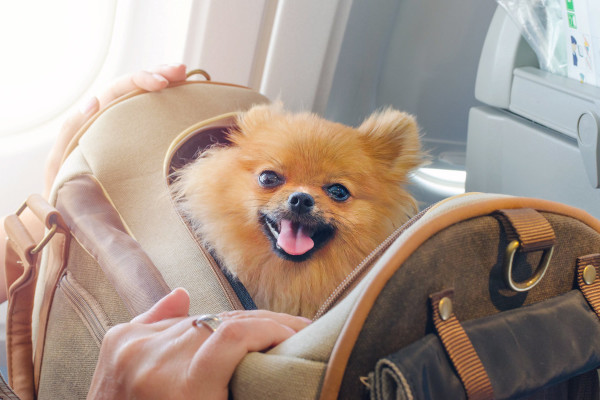
- Boarding or playing in a daycare facility
- Traveling on a plane or going on a long car trip
- Being hospitalized or confined
- Recovering from surgery
- Environmental changes (e.g., new home, new baby, new pet, death in the family, guests)
- Fireworks, thunderstorms, or other noisy events
- Discomfort from other illnesses or injuries
- Exciting events (e.g. playing with a new dog, having a new experience)
Based on this list, it is probably no surprise that canine stress colitis affects dogs of all ages, sexes, and breeds. However, puppies and older dogs may have a slightly higher risk due to having weaker immune systems. There aren’t any specific breeds that are more likely to develop stress colitis. But the risk is higher for breeds who are more prone to anxiety.
What are the symptoms of stress colitis in dogs?
Most of the time with stress colitis, you may notice that your dog is having diarrhea but acting fine. The only symptoms might be those surrounding the diarrhea, including:
- Increased frequency and urgency of bowel movements
- Loose stool, which may be cow patty-consistency or almost liquid
- Straining to defecate (i.e. tenesmus)—It may look like your dog is having trouble getting stool out, which could cause you to wonder if your dog is constipated. However, this is not usually the case.
- Increased mucous in the feces (small amounts are normal as mucus helps the stool slide out, but large slimy globs of mucous indicate colonic inflammation)
- Streaks of bright red blood in the diarrhea (not dark red to black digested blood, which comes from higher in the GI tract)
Usually, the dog retains his or her normal appetite. But occasionally, dogs with stress diarrhea may have mild loss of appetite, especially if they are also vomiting. Or they may show signs of abdominal discomfort (e.g. having an abnormal posture or stretching out). And being a lethargic dog or increased gassiness are also possible. However, since it is short-lived, most dogs with stress colitis don’t experience significant weight loss.
Acute colitis is not a deadly condition but, if left untreated, it can lead to serious dehydration and depression. Plus, many of the symptoms of stress colitis can also be associated with other illnesses.
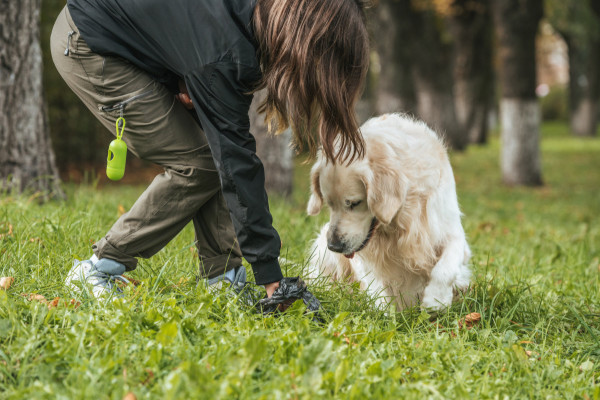
Therefore, it is important to reach out to your veterinarian if your dog is having diarrhea that is severe or doesn’t resolve within a few days, or if you have any other concerns. And when you head into the vet for the appointment, be sure to bring a stool sample. Fecal tests are often an important part of the diagnostic process.
How is stress colitis diagnosed?
If your canine companion’s only symptom is mild diarrhea, your veterinarian may make a diagnosis of stress colitis based on your dog’s medical history, examination findings, and a lack of parasites on fecal tests for dogs.
However, if there are additional clinical signs, or if your dog doesn’t respond to initial therapy, your vet may suspect other causes of colitis, including:
- Infectious diseases (viral or bacterial)
- Intestinal parasites in dogs
- Toxin exposure or dietary indiscretion (e.g. getting into the trash, counter surfing, eating something on a walk, etc.)
- Irritable bowel syndrome (IBS)—which is very similar to stress colitis
- Acute kidney failure in dogs or acute liver disease in dogs
- Inflammatory bowel disease (IBD in dogs)
- Addison’s disease in dogs (hypoadrenocorticism)
- Cancer or other GI disorders
To rule out some of the other causes of colitis, your veterinarian may recommend blood tests for dogs, X-rays, or ultrasound. And for cases of chronic colitis in dogs, colonoscopy and/or biopsies might be necessary to look for IBD or cancer.
What is the treatment for stress colitis in dogs?
If stress colitis is the culprit, treatment is two-fold. It involves both treating the symptoms and addressing the underlying cause—stress. In other words, we need to take steps to manage the diarrhea. But it’s also important to either eliminate the stressor, lessen its intensity, or find ways to improve your dog’s response to the stressor.
In most cases, treatment for stress colitis includes some combination of an anti-diarrheal medication, fiber supplementation, probiotics, and a bland diet, plus stress reduction.
Anti-diarrheal medications
Many of the most effective anti-diarrheal products will contain fiber (to firm up stool), probiotics (to improve the bacterial content of the intestines), and/or kaolin (an ingredient that reduces intestinal inflammation). These diarrhea remedies can come in a liquid or tablet form, depending on the product. Or some probiotics come in a fine powdered form.
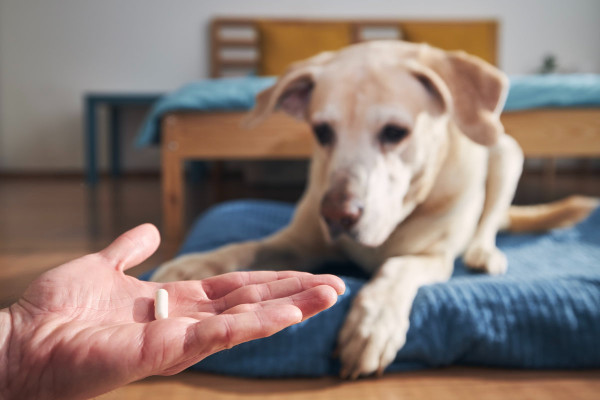
It is important to only give your dog veterinarian-prescribed anti-diarrhea medications, not over the counter anti-diarrheal medications for humans, unless instructed otherwise by your vet. Using Pepto-Bismol® for dogs could cause black stools and further stomach upset. And while Imodium® is very powerful and can work for some dogs, it should only be given if recommended by your veterinarian.
Fiber supplementation
The vet may recommend increased dietary fiber for dogs with stress colitis. This can be a great natural way to help improve fecal consistency and the movement of foodstuffs and waste through the colon. Fiber is also known to help aid metabolism in bacteria present in the colon.
You can give your dog a fiber supplement such as powdered psyllium (e.g. unflavored Metamucil® for dogs). However stay away from flavored, sugar-free, or gummy formulations of Metamucil. These products may contain harmful ingredients such as xylitol (i.e. birch sugar), which is toxic for dogs.
Alternatively, you can look for a higher-fiber commercial and prescription dog food.
Bland easily-digestible diet
In some cases, the vet may recommend fasting your dog for 12-24 hours and then starting to feed him or her a bland diet for dogs. Or in other situations, the vet may recommend giving your dog a bland easily-digestible diet right away.
There are numerous prescription diets available that are higher in fiber and contain probiotics and prebiotics while also being specifically formulated to be easier to digest than the average commercial diet. These can be a great (and convenient) option. Alternatively, you can make a home-cooked bland diet such as skinless boiled chicken and boiled rice.
With either diet option, the vet will mostly likely have you gradually transition to your dog’s normal food after about three to five days (or sometimes longer depending on how your dog is doing).
Probiotics
Colonic health is tied to the health of its bacterial population. However, in colitis, the bacterial population may become abnormal. Therefore, your vet may suggest a probiotic supplement to help replenish the “good” bacteria in your dog’s gut.
Decreasing your dog’s fear, anxiety, and stress
As mentioned earlier, it is important to control your dog’s stress level as much as possible. Removing the source of stress is ideal, but understandably it isn’t always possible. Therefore, especially if your dog is prone to stress colitis, your vet may also talk to you about calming medications, supplements, or even anxiety medications (e.g. trazodone for dogs).
Antibiotics
Veterinarians used to prescribe antibiotics such as metronidazole to treat colitis in dogs. But this practice is falling out of favor. Current research indicates antibiotics aren’t as helpful as was once believed, and may even negatively impact the gut bacteria. Plus, antibiotics could worsen diarrhea in some cases.
Treatment for other causes of colitis
If the blood work, fecal tests, or other diagnostics reveal another contributing factor, the vet will address it as well. For example, he or she may prescribe a dewormer, anti-inflammatories, or a hypoallergenic diet for some causes of colitis.
How long does stress colitis in dogs last?
An episode of stress colitis is certainly stressful for you and your dog while it is going on. But the good news is that on average a dog may only experience symptoms for three to five days. In many cases, symptoms resolve with just symptomatic treatment such as an anti-diarrheal medication and a bland diet.
However, if symptoms do not improve or start to worsen, please contact your veterinarian. This could mean that there is a different type of colitis at play or that your dog has another underlying condition that is preventing the diarrhea from resolving fully.
How can you prevent stress colitis in dogs?
While usually short-lived, it still makes sense to take steps to prevent (or at least reduce the severity of) further episodes of stress colitis.

8 Stress colitis prevention tips
Some stress colitis prevention tips include:
- Ask your vet about calming supplements or anti-anxiety medications—Often your vet will recommend using anxiety-reducing medications or supplements prior to and after stressful events (e.g. company coming over, new baby, fireworks, travel, vet visits, etc.).
- Find a way to lessen the anxiety-producing stimuli—For some dogs, having a dog-sitter might be less stressful than going to the boarding kennel. And you don’t have to take your dog to the dog park or for a play date if it stresses him or her out.
- Consult a veterinary behaviorist or veterinarian-recommended dog trainer—These behavior experts can help you learn how to manage the environment and work with your dog to decrease stress around certain situations.
- Consider long-term use of prebiotics and probiotics—Helping keep the gut flora healthy with prebiotics and probiotics may reduce flare-ups of stress colitis.
- Feed your dog a prescription gastrointestinal diet long-term—Many of the bland, easily-digestible diets are safe for continuous use. This can be a good way to support your dog’s GI tract.
- Create a calm environment for your dog—Play relaxing music or use a dog calming pheromone spray, collar, or diffuser to promote a sense of calm.
- Partner with your vet to create a plan for potential stress colitis events—It can be helpful to have anti-diarrhea medication, a few cans of a GI prescription diet, a fiber supplement, or a probiotic on hand and know how and when to use them. Hopefully, that way you can head off a full-blown episode of stress colitis.
- Keep a journal of episodes—Make a note of when your dog has stress colitis and what was going on around that time. Sometimes this can help you identify a trigger you may not have been aware of.
Take some of the stress out of stress colitis
If it seems like your dog is prone to stress colitis, why not discuss it with your vet? Together you can make a plan to reduce your dog’s stress level. Then, as you implement the plan, you can always make modifications as needed.
By understanding why dogs get stress colitis, what your dog’s particular triggers are, and how to treat and prevent stress colitis, you can take some of the “stress” out of stress colitis.
Does your dog struggle with stress colitis?
Please comment below.


I have a mixed breed 11-year old boy (maybe pug x poodle x terrier mix, not very sure since it’s rescued). Two months ago after I left him with the dog sitter on a trip, he started having these very watery poop. At some point, it was frequent and completely watery. We went to see the vet for three times, when he’s on anti biotics, he’s completely fine. And then it came back again after off anti biotics for a few days. After two months, he’s finally back to normal. And then just today, I left him alone for 10 hours (thought would be just a few hours unexpectedly took longer) without any lights on, came back home and saw three water poop again. I looked at nanny cam and saw that there were a few times he’s very scared (like heard noise from outside the door and he barked and hid under sofa). So I was wondering if it’s stress related and googled and found this page. I think what it described here fits his symptoms as I know he has separation anxiety with me, and also he doesn’t really like the dog sitter …
Hi Yan,
I am sorry your senior guy is dealing with so much anxiety. Hoping the stress colitis will resolve quickly this time and praying you can find a way to prevent these episodes in the future. Wishing you both nothing but the best. ♥
I just found this searching online about if I should worry or not
I’ll try to make this short
So I adopted my dog Nina (jack Russel Chihuahua mix) last month after year of my old dog passing (needed a new puppy ) so I found her from a rescue group she’s from a breeding hoarder house that they rescued a bunch of dogs from and from what they said spent her entire first year in a cage she’s roughly two
Now she’s scared of literally everything tho she coming out of her shell a little bit we go walk and she loves to run I am not a runner best I can do is 20 yrds trying to teach to play she scared of squeeky toys and toys in general
And I think by this description she has this type of colitis she had when I first go get and then we just went on a vacation and took her in a car she’s scared to death of my son😓 so she’s been doing this the last 4 days but since we are home and it’s just me and her I’m hoping it goes away again
Also any ideas how to get her to play with toys my old dog was the same too .. never learned to play at all with toys . besides that she’s a good girl very smart
Thank you
Hi Noella,
Bless you for taking in such a scared little pup. Nina is very lucky to have you in her life and that you are so patient and willing to work with her on her socialization and giving her time to adjust. How are things today? Did the GI issues settle down once you were back home? Some dogs just don’t care for toys, but Nina may be interested in learning nose work (playing games with hiding treats). There are some great resources online that can give you tips on how to create nose work games at home. Hoping all is well and wishing you both many happy years ahead. ♥
My senior boy (13.5 years) just experienced a big life change with me. We just moved 150 miles from the city to the Kentucky countryside and he is having quite a hard time adjusting.
I have noticed his appetite has been a little off all week, but figured that was due to stress from the move and now he is having very loose very stinky accidents in the new house. I’m sure it’s stress related and will be trying him on a bland diet the next few days to hopefully help this.
I hate that he’s struggling, he’s my best friend and most loved little man.
Our new apartment has laminate plank flooring too, so I recently ordered him some toe grips to help him get his confidence back up.
Hi Amber,
I am sorry your boy is having so much trouble adjusting to this recent move. While these symptoms could all be due to stress, it may be a good idea to find a new vet and get him evaluated just in case. I’d hate to assume everything is ok and end up missing something serious. I am glad you are giving ToeGrips a try! How is it going? If you have any issues or questions don’t hesitate to reach out to our customer care team using the contact info on the back of the packaging: [email protected]
Hoping your boy is improving and praying for peace. Feel free to leave an update if you have a chance.
I al so glad I found this article because I had no idea stress colitis existed. I have a 2 year old yellow lab, Bo. My husband and I had a just had weekend trip April 17-20, so instead of boarding like we usually do, we decided to have a pet/ house sitting come and watch both our dogs. We did a meet and greet and my lab was super hesitant, very anxious, but eventually warmed up to the person. Unfortunately, after 3 days away, my husband and I were greeted by poor Bo, stressed and needing to go outside every couple hours to have diarrhea or very loose stool (the cow patty consistency). This has been going on now for just about 48 hours. The sitter said he has no issues with bowel movements. I’m thinking it was just the stress of us being away and poor Bo stuck with practically a stranger. I feel terrible. He does great at boarding as he loves other dogs…it’s just new people he takes issue with. I’m hoping to see some improvement in the next 24 hours…or I’m thinking a trip to the vet might be in order?
Hi Michelle,
I am sorry Bo experienced so much anxiety while you were away. It is possible that his diarrhea will resolve on its own, but if you aren’t seeing any improvement in the next day or so, I would definitely give your vet a call. Hoping all is well and wishing your sweet boy peace and comfort. ♥
I have a seven year old male Great Pyrenees, rescued from a rural area. He has been with us for four years. This past weekend my husband had to travel, and I stayed home with our big boy, however we also had a younger male house guest. Our dog is very familiar with him so no issues there. However we noticed he has been off since my husband left, more territorial then usual, barking excessively, guarding me, and today explosive diarrhea, so bad I had to bath him. i had hoped that since it had been 12 hiurs since his breakfast the diarrhea would of gotten better, but his latest trip outside determined that its still there. There has been no change in his diet and he eats a very good food. I am his primary caregiver, and he is used to my husband being away, but not with another male in our home while he is away. I am assuming this is a case of stress colitis. due to him feeling he needs to protect, as per his natural instincts. He is acting fne other wise, no vomiting, no lethargy, drinking fine. I have decided not go give him his dinner, and will feed a bland diet of rice and boiled chicken breast for a few days. Thank you for this article it was very helpful.
Hi Jennifer,
I am sorry your big guy is dealing with these stress related GI issues. As long as he seems fine otherwise, I see no reason why you couldn’t give this a day or two to see how he responds to the bland diet. If you start to notice any other symptoms (lethargy, decreased appetite, pain, etc.) then I would recommend you contact your vet. How are things today? Hoping all is well and feel free to leave an update if you have a chance.
Bland Diet for Dogs: What, How, and When
Hi everyone. My girl, Cassidy is a lab mix rescue who is now 7. She has always been a very timid, easily startled, anxious dog. She doesn’t like the car and loud noises. As a puppy her vet prescribed Prozac for the anxiety which helped to a degree, but only because it made her so tired. I felt like I was drugging the personality out of her. She was getting much better but, unfortunately, I became involved in a very difficult, volatile and abusive relationship where she was also constantly on edge. Luckily, I have been out of that situation for almost 10 months and we are rebuilding our lives together.
Now, my living situation is a constant source of anxiety for my poor girl. I have upstairs neighbors who are constantly stomping, slamming and dropping things on their floor (my ceiling) and every noise scares her. I’ve been out of work because of a major health condition and am having a second lung surgery in 2 weeks. I was left in a position where I was not only physically abused but financially (and all other forms). I have a low cost vet that has sporadic office hours and currently left with no car.
When I say we are lucky we got out with our lives – I am not embellishing my one bit. Tonight I left her alone for 4 hours and in the back of my mind I knew I should’ve stayed home with her. I took her on a walk when I got home and she had bloody mucous filled diarrhea twice. It was bright red and I researched if it could be an ulcer. This page gave me some great information. I have a thundershirt for her to wear when the noise upstairs is really unbearable. But I am wondering if anyone has used trazadone for anxiety in their pups. My heart is breaking for my sweet girl.
Thanks for reading.
Jenn
Dear Jenn,
I am so sorry for all you have been through. I am amazed at your courage and strength to persevere despite the situations you have faced. Cassidy is lucky to have you taking such good care of her and advocating for her well-being. Trazodone can definitely be a life saver for some dogs. It doesn’t work great for all, but I would encourage you to discuss it with your vet. Here is a link to another article with more information: Trazodone for Dogs: Uses and Side Effects
You might also want to read about CBD oil and its possible benefits: CBD Oil for Dogs: Facts, Benefits, Concerns [2024]
Hoping you can find a way to bring peace back to your home and offer Cassidy some stress relief. Praying for many bright days ahead. Bless you both. ♥