Wondering “Why is my dog so gassy?” as you hold your breath or escape to a different room? Integrative veterinarian Dr. Julie Buzby discusses 13 reasons dogs might be extra gassy and explains when a gassy dog should go to the vet. Plus, she discusses veterinary treatment of excessive gas and provides 10 gas-reducing tips.
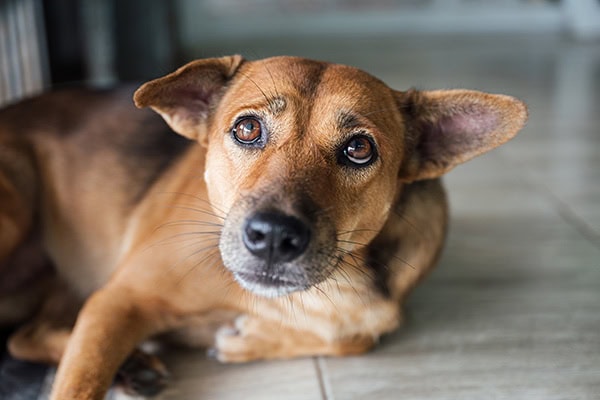
We’ve all been there—simply enjoying a quiet evening with our dog when an unexpected wave of foul-smelling gas suddenly takes over the room.
The occasional canine toot may be a smile-bringing moment for dog parents. But frequent or particularly offensive gas may leave you wondering whether something more serious is going on and searching for solutions to stop the stench.
What constitutes a gassy dog?
Most commonly, when someone says they have a gassy dog, they are referring to dog flatulence—the act of expelling flatus (intestinal gas) from the anus. However, dogs who appear bloated or have a belly that gurgles loudly may also fit that description.
Gases naturally accumulate in the gastrointestinal tract from a number of sources, including:
- Too much swallowed air, which is particularly a problem in brachycephalic dogs or any dog that gulps food rapidly.
- Diffusion of naturally occurring gases, including carbon dioxide (CO2), nitrogen (N2), and oxygen (O2) from the bloodstream into the digestive tract.
- Bacterial fermentation in the large intestine, which produces gases such as oxygen (O2), nitrogen (N2), carbon dioxide (CO2), hydrogen (H2), and methane (CH4). Because the gut bacteria also produce sulfur compounds like hydrogen sulfide (H2S), your dog’s gas might have a rotten egg smell.
- The interaction of gastric acids with saliva, alkaline foods, or bicarbonate from the pancreas during the digestive process.
This collection of gases needs to go somewhere, and that somewhere is often out your dog’s back end.
Why is my dog so gassy? 13 causes
Generally speaking, dogs experience excessive and/or smelly gas due to anatomical issues, dietary factors, and underlying diseases.
Anatomical reasons for increased gas
1. Swallowing air
Swallowing too much air (aerophagia) is a common cause of excessive gas in dogs who tend to rapidly eat their food, eat shortly after exercising, or are breathing harder than normal due to a respiratory problem.
Any breed of dog is susceptible to instances of aerophagia. But it may occur more often in brachycephalic dogs like Boston Terriers, Pugs, or French Bulldogs. Due to their underdeveloped nostrils, elongated soft palate, and smaller-than-normal trachea, these breeds rely more heavily on mouth breathing during activity. This puts them at a slightly higher risk for swallowing too much air when they eat and drink, or if mealtime occurs immediately after exercise.
2. Slow GI motility
Delaying the transit time of food through the digestive tract allows bacteria to produce more fermentation gases than normal. Slower GI motility may occur in dogs who are systemically ill, obese, or regularly consume high-fat, low-fiber diets. These dogs may also experience abdominal distention and a bloated appearance. Constipation in dogs is a possibility, too, as slower transit times leads to increased fluid absorption from the gut.
Foods, ingredients, and other dietary causes of a gassy dog
A dog’s diet can also greatly influence how much gas he or she produces and, therefore, expels.
3. Changing to a new food
If you abruptly switch your dog to a different dog food or your dog eats table scraps or steals food that was meant for another pet, this can throw of his or her digestion. The end result is a temporary increase in flatulence.
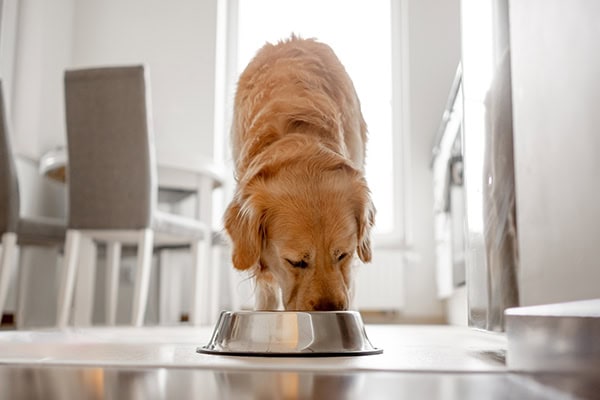
4. Dietary indiscretion
Your dog’s sudden bad gas might also be a result of him or her getting into the trash, consuming spoiled foods, eating non-food items, or other forms of dietary indiscretion.
5. Fatty or rich human foods
Ingesting human foods that are too fatty or rich for a dog’s digestive system can make your dog more gassy than usual. Some examples include bacon, ice cream, fried foods, spicy foods, etc.
6. Cruciferous vegetables
Certain cruciferous veggies, like broccoli, Brussels sprouts, cauliflower, or cabbage, are naturally higher in fiber. This makes them more difficult for a dog to digest.
7. High fiber foods
Other foods that are healthy in moderation but high in fiber may also lead to flatulence. This list includes sweet potatoes, peas, lentils, pumpkin, beans, grains (like barley, corn, or wheat), beet pulp, psyllium, and bran. Many of these ingredients are included in commercially-prepared dog diets or get used for dog treats.
8. Soybean meal
Some dog foods may include soybean meal, which, while it has benefits, can also contribute to a dog being gassy. Soybean meal provides prebiotic fiber as a source of energy for intestinal bacteria to help maintain good gut health.
However, since the oligosaccharides (a type of carbohydrate) in soybean meal are poorly digestible and undergo bacterial fermentation in the large intestine, the resulting gas accumulation can inadvertently lead to excessive flatulence.
9. Certain fruits
Fresh fruits, like apples, prunes, or bananas, as well as high fructose corn syrup, may also make a dog gassy. This is the case because they contain high levels of natural (or concentrated) fructose, fermentable fiber, and starches that are difficult to digest.
10. Poor-quality diets or specific ingredients
Poor-quality dog food or certain ingredients can also cause a dog to be gassy all of the time. Common culprits include corn and corn gluten, soy, certain grains, dairy products that contain lactose (like cheese and cow’s milk), beef, chicken, or other animal by-product meals. Additionally, the fillers and preservatives included to prolong shelf life and bulk up kibble or canned diets can lead to flatulence.
Interestingly, the dietary protein source seems to contribute more to the odor of the gas and the carbohydrate drives the volume of the gas. Knowing this may be helpful in using diet changes to reduce whichever factor is most problematic.
Underlying diseases that cause increased flatulence in dogs
Sometimes excessive gas production can be a sign of intestinal parasites, poor gut health, or other medical conditions.
11. Intestinal parasites
Intestinal parasites, like Giardia in dogs, Clostridium, and intestinal worms (hookworms, roundworms, and whipworms) disrupt the normal digestive process and damage the gut wall. This increases the amount of ingested food available for bacterial fermentation, which in turn leads to increased gas production.
12. Bacterial imbalance in the gut (dysbiosis)
Gut health in dogs relies heavily on having the appropriate balance of beneficial bacteria, viruses, and protozoa in the GI tract. Factors such as stress (boarding, grooming, visitors, etc.), recent antibiotic use, diet changes, and age all influence a dog’s microbiome (gut environment).
Sometimes the dog may enter a state of dysbiosis (imbalanced bacterial populations) as a shift in the “good” bacterial populations allows the “bad” bacteria to become more numerous. This can lead to digestive issues such as increased gas, bloating, diarrhea, constipation, or weight loss. Additionally, dysbiosis may play a role in allergies, behavioral problems, and so much more.
13. Other digestive system problems
A variety of other conditions affecting the digestive system may have increased gas as a symptom. They include:
- Food allergies in dogs: Skin problems are more common, but some dogs with food allergies experience GI upset, too.
- Inflammatory bowel disease (IBD in dogs): Inflammation and accumulation of immune system cells in the gut walls lead to chronic diarrhea, vomiting, gassiness, etc.
- Exocrine pancreatic insufficiency (EPI in dogs): The pancreas doesn’t make enough digestive enzymes. As a result, dogs have chronic gas and diarrhea plus weight loss.
- Acute or chronic pancreatitis in dogs: Pancreatic inflammation leads to digestive upset and abdominal pain. Plus, over time chronic pancreatitis may damage the pancreas enough to lead to EPI.
- Antibiotic responsive diarrhea (ARD): Also known as small intestinal bacterial overgrowth (SIBO), ARD isn’t fully understood yet. But it seems to occur when populations of certain bacteria in the small intestine become excessive or abnormal bacteria (such as those normally found in the large intestine) start to populate the small intestine.
- Cancer: Tumors of the intestinal tract may occasionally cause increased gas.
Which dogs tend to be gassy?
Brachycephalic dogs (like Pugs, Boston Terriers, French Bulldogs, Shih Tzus, and Lhasa Apsos) naturally swallow a lot of air when they eat, drink, or play. Hence, they are often at greater risk of developing gas more readily than other breeds. However, excess gas really isn’t breed-specific, as overweight or obese, sedentary dogs of any age or breed are at risk.

What are the signs a dog is gassy?
The foul odor of the gas is a pretty big give away. But you may also notice other signs if your dog is excessively gassy, including:
- Burping (eructation): Burping doesn’t necessarily produce a particularly foul odor. But, dogs can sometimes have stinky burps if, for example, your dog eats poop or raids the kitchen trash.
- Loud (or silent) expulsion of gas from the anus: You may hear and/or smell the gas your dog releases.
- Play bowing or abdominal stretching: Trapped gas is painful, so dogs may assume these positions in response to the discomfort.
- Gurgling intestinal sounds (borborygmus): It may sound like your dog’s stomach is rumbling.
- Abdominal distention: Dogs who are unable to pass gas through the anus or expel it adequately through burping may have a bloated appearance.
Severe abdominal distention, coupled with unsuccessful attempts to vomit, can be an indicator of a life-threatening condition called gastric dilatation volvulus (GDV) or bloat in dogs. If your dog is exhibiting these symptoms, immediately make an emergency vet visit.
When does a gassy dog need to see the vet?
Much of the time, while your dog may be extra gassy, he or she is otherwise acting and feeling fine. And the period of gassiness is short-lived. However, if you see the following signs, a veterinary visit may be in order.
- Sudden, severe onset or persistent worsening of flatulence over several days: All dogs have gas. But it becomes a problem when it deviates from your dog’s “normal gas” and stays that way.
- Loss of appetite: Many of the causes of increased gas that require treatment also contribute to a poor appetite.
- Lethargy: Lethargic dogs lay around because they aren’t feeling well. This can be a sign of many different problems.
- Weight loss: If you haven’t been trying to help your dog lose weight and it is happening anyway, there may be something going on with his or her digestive system or overall health.
- Steatorrhea (oily feces): An oily appearance to the feces may be indicative of EPI or a small intestinal disorder.
- Diarrhea: Diarrhea that persists for a few days despite a bland diet or probiotics, dog diarrhea with blood, or profuse diarrhea generally require veterinary intervention.
- Vomiting: Profuse vomiting, vomiting up blood, or prolonged vomiting are all reasons to consult the vet.
- Changes in the character of feces: Mucousy, firm, or bloody feces all indicate disruptions in a dog’s normal digestive process.
- Behavioral changes: Dogs experiencing abdominal discomfort due to the pressure of the trapped gas may pace, stretch or play bow repeatedly. Or they may seem generally anxious.
If you are unsure whether your dog needs to go to the vet, please reach out to your vet for advice. And remember, severe bloating is an emergency.
What can you expect at the vet visit?
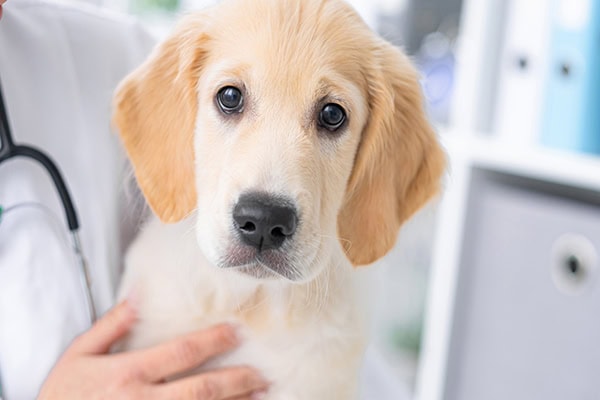
If your dog is experiencing increased flatulence, scheduling a visit with your vet can help you understand why. During the exam, you can expect the vet will gather a dietary history and perform a physical exam and necessary diagnostic testing.
Gathering a dietary history
First, the veterinary team will ask about your dog’s daily diet and treat routine. This includes noting any table scraps or other pets’ foods he or she has access to. They will also want to know of any recent changes in the amount, brand, or type of diet (canned, dry kibble, or fresh/raw) your dog eats each day. And the team may also ask how recently the diet change took place, and over what period of time you transitioned your dog to the new diet.
Performing the physical exam
Next, during the physical examination, the vet will thoroughly examine your dog from nose to tail. He or she will pay close attention to your dog’s weight and how it compares to the last visit. Carefully palpating the abdomen can help your vet check for abdominal pain, thickened intestines, or masses. And he or she may also perform a rectal exam to evaluate stool quality and internal structures.
Running diagnostic tests
Since excessive gas can be a symptom of many conditions, your veterinarian will also likely recommend several diagnostic tests.
Fecal exam
Baseline testing includes collecting a fecal sample to look for intestinal parasites such as giardia, coccidia, roundworms, whipworms, or hookworms. The veterinary staff will generally run the fecal test for dogs during your visit. However, if the in-house test doesn’t show signs of these organisms, your vet may suggest sending a separate sample to the diagnostic lab for more extensive testing.
Lab work
Blood tests for dogs such as a CBC and chemistry panel, plus a urinalysis, can provide helpful information about whether your dog may have an infection or compromised organ function. And your vet may recommend more specialized blood tests such as TLI testing to diagnose exocrine pancreatic insufficiency.
Imaging
In some cases, imaging studies may also be helpful for narrowing down the underlying cause of your dog’s excessive gas. The typical options include X-rays, abdominal ultrasound, or endoscopy (+/-biopsy collection). These tests may help rule out or increase suspicion for intestinal foreign bodies, masses, or chronic conditions like inflammatory bowel disease (IBD).
How will the vet address my dog’s gas?
With your dog’s diagnostic test results in hand, your veterinary team will be better able to create a treatment plan. The goal is to address the underlying cause of the gas and support the GI tract. Treatment protocols are often multi-modal and may include dewormers, antibiotics, probiotics, special diets, and more. Let’s briefly review each one.
Dewormers and/or antibiotics
In some instances, the vet may prescribe dewormers or a short course of antibiotics. However, antibiotics like metronidazole can also disrupt the intestinal microbiome. Thus, many vets no longer prescribe these as a first-line treatment option unless there is a specific indication for their use.
Probiotics
High-quality probiotics for dogs, like FortiFlora®, Advita™, and Proviable®, are excellent additions to your dog’s daily mealtime routine. Your vet can help you select a product that is right for your dog. In general, a good probiotic should contain between one and five billion CFUs (colony forming units). And it would ideally include live cultures of Lactobacillus acidophilus or Bifidobacterium longum spp. (BL999) as these bacterial strains have proven benefits for the gut microbiome.
Special diets
Your veterinarian may suggest transitioning your dog to a prescription low-residue diet, like Hill’s i/d or Purina EN. Low-residue diets are highly digestible and produce less fecal waste. As a result, they’re less likely to trigger excessive bacterial fermentation and gas production.
Alternatively, hypoallergenic diets, low-fat diets, or bland diets for dogs may be other good options for some conditions.
Condition-specific treatments
The vet may also make other recommendations specific to your dog’s diagnosis. For example, dogs with IBD may need steroids to suppress the abnormal immune response. Or if your dog has EPI, the vet may recommend adding pancreatic enzymes to every meal to aid in digestion.
What are some at-home options for gas relief for dogs?
If your dog isn’t to the point of needing a vet visit yet but you want to take steps to decrease his or her gas, you could try:
Changing to a different dog food
If your dog is gassy, try slowly transitioning to a higher-quality diet or one with a different protein and/or carbohydrate source. Diets with rice as the primary carbohydrate source seem to be particularly helpful in reducing gas volumes. And modifying the protein source or amount may change the odor of the gas.
Giving your dog yogurt and/or canned pumpkin
You may want to speak with your vet about the pros and cons of feeding a small amount of plain, unsweetened yogurt for dogs. This can be a good way to provide live cultures, but isn’t a substitute for a high quality probiotic. Also, if your dog is lactose intolerant, as many are, adding yogurt could backfire and actually cause more gas.
Canned pumpkin for dog (not the sweetened pumpkin pie filling) can be a good way to add some beneficial fiber for dogs to your canine companion’s diet. As a bonus, many dogs like yogurt and canned pumpkin. Thus, mixing them into the food may encourage dogs with a poor appetite to eat.
Putting a probiotic supplement on your dog’s food
As mentioned earlier, dog probiotic supplements are great for gut health. Better gut health should translate to less gas, which is a win for everyone.
Giving a human gas-reducing product like Gas-X with your vet’s approval
Products that contain simethicone such as Gas-X or infant gas relief drops may help break up the gas to make it easier for the dog to pass it. However, they don’t change the amount of gas that the dog is producing.
If you think Gas-X could be helpful for your dog, please consult your veterinarian. And always check the label for dangerous active ingredients or inactive ingredients like birch sugar (xylitol), which is toxic to dogs.
Use herbal remedies for dog gas (if approved by your vet)
Natural herbal remedies may be helpful for reducing gas formation, promoting gas expulsion, and relieving bloating and abdominal discomfort. Ingredients like peppermint, ginger, fennel, anise, caraway seed, and chamomile may soothe both human and animal upset stomachs and provide gas relief.
If you are interested in trying a natural herbal remedy to support your dog’s digestive health, speak with your vet or consult with a holistic or integrative veterinary practitioner. They will be able to guide you toward a safe, high-quality product.
Consult the vet if symptoms worsen or don’t improve
The home remedies can be worth a try for mild gas. But remember that if your dog’s symptoms persist or worsen, the best course of action is to seek veterinary attention.
Will my dog always be this gassy?
Excessive gas in dogs often resolves with treatment or lifestyle changes. But it ultimately depends on the underlying reason for the onslaught of odor. For dogs who’ve eaten something they shouldn’t, symptoms of gastrointestinal distress usually resolve in a few days, especially with the help of a bland diet and probiotics. However, other conditions like IBD or EPI require daily management. And brachycephalic breeds by nature tend to be more gassy.
10 tips to reduce dog gas
You may not be able to eliminate your dog’s odiferous episodes completely. But a few simple changes can go a long way toward reducing gas and keeping their digestive system happy.
1. Feed a high-quality diet with ingredients that your dog tolerates well
Feed your dog a high-quality, nutritionally balanced diet that’s appropriate for his or her age and health needs. And consider using a diet with rice as the main carbohydrate source plus other ingredients that seem to work well for your dog’s GI tract.
2. Avoid dog foods containing carrageenan
Carrageenan is a seaweed-derived thickening agent found in some wet dog foods that may contribute to gut inflammation. If your dog has a sensitive stomach or a history of inflammatory bowel disease (IBD), it may be a good idea to ask your veterinarian whether avoiding foods containing carrageenan would be helpful.
3. Make diet changes gradually
If you’re considering switching foods, make the transition gradually over the course of 7 to 10 days. This gives your dog’s digestive system time to adjust to the new diet.
4. Break your dog’s daily food amount into several small meals
Instead of offering your dog one or two large meals each day, consider feeding him or her several smaller meals more frequently. Smaller portions may help reduce the amount of air your dog swallows while eating.
5. Say “no” to table scraps and try to limit dumpster diving
It can be beneficial to limit table scraps and excessive treats, which can upset the normal balance of the digestive tract. Additionally, try your best to keep your dog from raiding the trash can or scarfing up dead animals, poop, old food, etc. on walks.
6. Encourage your dog to eat slowly
If your dog tends to inhale meals in seconds, a slow-feeder bowl, puzzle feeder, or interactive feeding toy can encourage slower eating and reduce swallowed air.
In multi-dog households, try feeding your dogs in separate areas. This may help prevent dogs from gobbling up their food in an effort to keep another dog from stealing it.
7. Boost your dog’s gut health with prebiotics and probiotics
Routinely giving your dog prebiotics (food for the good gut bacteria) and probiotics (the good bacteria) can help improve gut health. This in turn may decrease gas production.
8. Keep your dog on a parasite preventive year round
Many veterinarian-prescribed heartworm preventive products (or heartworm, flea, and tick combination preventive products) also protect your dog against intestinal parasites. Keeping your dog on those products year round helps decrease the chances your dog would have gas due to intestinal parasites, heartworm disease in dogs, tick-borne disease in dogs, or other parasite-related problems.
9. Exercise your dog regularly
Don’t underestimate the importance of regular exercise for your dog! Daily walks, swimming, or fetching the ball outside help your dog maintain a healthy body weight and support normal digestion. This may help minimize episodes of excessive gas.
10. Notice small changes before they become big problems
Watching for changes in your dog’s appetite, gassiness, or stool quality may help you to catch and address problems promptly. Plus, it is important to stay current on wellness exams and fecal tests at the veterinary clinic.
Partner with your vet to reduce dog gas
Hopefully, you can take comfort in the fact that the occasional toot from your four-legged friend is usually nothing to worry about. However, persistent or excessive gas can be your dog’s way of telling you something isn’t quite right. The good news is that with a little detective work and help from your veterinarian, more peaceful evenings that are not interrupted by dog gas should be ahead.
What helped make your dog less gassy?
Please comment below.

