A luxating patella in dogs (i.e. a kneecap that slips out of place) has the potential to limit your dog’s mobility and cause pain over time. Integrative veterinarian Dr. Julie Buzby explains why patellar luxation occurs, the grades of patellar luxation, and how best to help and support your dog with a luxating patella.

Do you ever watch your dog while he or she walks? For some of us, it’s interesting to think about the science behind how our four-legged friends move from place to place. Slightly more weight is placed on the forelimbs compared to the hind limbs, but in general, all four limbs are used for things like walking, running, and playing.
But what if your canine companion suddenly picks up one of the hind limbs for a few steps then puts it back down again? At first you may wonder if he or she could have stepped in something. But could it be a sign of a bigger issue with the leg like a luxating patella?
- What is a luxating patella in dogs?
- What causes a luxating patella?
- What are the types and grades of luxating patella in dogs?
- What are the signs of a luxating patella?
- How does the vet diagnose a luxating patella?
- What is the treatment for a luxating patella?
- Luxating patella dog surgery
- Talk to your veterinarian about luxating patella options for your dog
- Does your dog have a luxating patella?
What is a luxating patella in dogs?
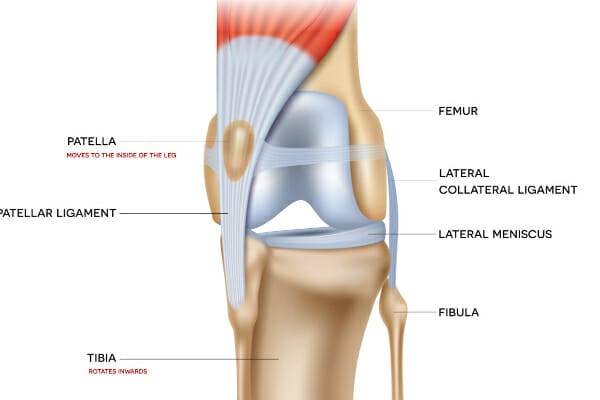
As the name might imply, a patellar luxation occurs when the dog’s patella (i.e. kneecap) moves (i.e. luxates) out of its normal anatomical position. Once the patella luxates, the hind limb cannot fully extend. This most commonly results in your dog holding the leg up while the knee is in a flexed position. If the patella pops back into position, the dog can begin to use the leg more normally again.
The patella can slide medially (going toward the inner surface of the leg) or laterally (going toward the outer surface of the leg). Luxating patella can affect one or both knees in dogs. It is also one of the most common orthopedic conditions in veterinary medicine.
To further understand how luxating patella affects a dog’s mobility, let’s review the anatomy of a dog’s knee.
Dog knee anatomy
The knee joint (i.e. stifle joint) is the space between the femur (i.e. thigh bone) and the tibia (i.e. shin bone). There are several important ligaments that help to keep the bones lined up with one another when your dog walks.
One such ligament is called the cranial cruciate ligament. This firm band of connective tissue starts at the back of the femur, crosses the joint, and attaches to the front of the tibia. It is the ligament that is affected by a torn ACL in dogs. There are also three fibrous sacs called joint capsules that enclose the stifle joint for protection.
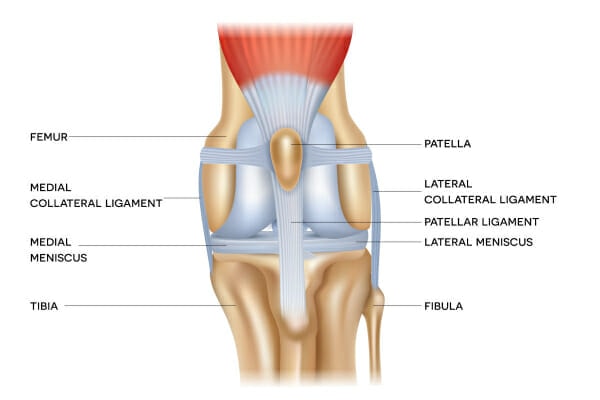
The patella is located inside of the large tendon that comes down from the quadriceps muscles. These are the big muscle bodies that surround the femur, making up a large portion of your dog’s thigh. The quadriceps muscles help extend your dog’s hind limb, making the leg perfectly straight. Then, when the muscles relax again, the knee can bend.
When a normal dog’s hind limb is fully extended, the patella rests in the trochlear groove. This is a small notch within the part of the femur that is closest to the knee. As the limb flexes, the patella will slide in a downward direction. Because the patella is inside of the patellar tendon, it should stay on track as your dog’s knee continuously flexes and extends.
However, in the case of a luxating patella, the kneecap will deviate from its normal up-and-down pathway by popping out of the trochlear groove. This tends to occur when:
- The trochlear groove is shallow
- The femur and/or tibia are rotated or bowed abnormally (i.e. malformed)
- Soft tissues (i.e. cruciate ligaments or joint capsules) surrounding the patella are abnormal
- Quadriceps muscles are too tight or patellar tendon is too loose
What causes a luxating patella?
Most likely, multiple factors contribute to the anatomical changes listed above that allow the patella to luxate. They may include:
- Traumatic injury (i.e. falling or being hit by a car)
- Genetic predisposition in certain breeds—which is why dogs with luxating patellae should not be bred
- Bone conformation abnormalities that develop as a dog grows
When a luxating patella occurs, it is important to think of it not as a solitary disorder that occurs in a vacuum. Rather, it probably comes from other musculoskeletal problems that affect the alignment of the hind limb. Some of these include hip dysplasia in dogs, angular limb deformities, and disorders of the quadriceps muscles. Conversely, bone changes and painful osteoarthritis in dogs can come from weight-bearing stresses as a result of the patella luxating all the time.
What are the predisposing factors?
While any dog can have a luxating patella, there are some identifiable risk factors. One of them is breed. Medial luxating patellae (i.e. where the kneecap deviates inward) are very common in toy breed and small breed dogs. These include Yorkshire Terriers, Boston Terriers, Pomeranians, Chihuahuas, and Miniature Poodles.
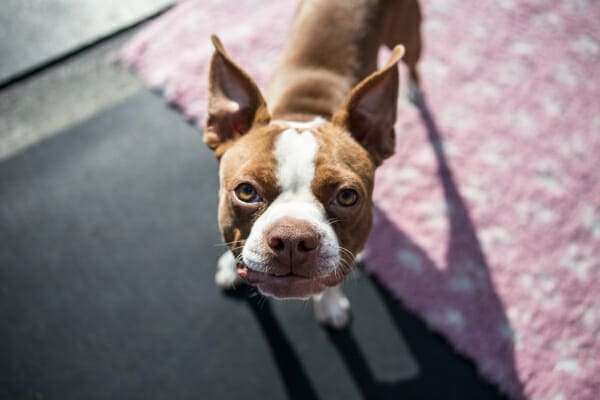
Lateral luxating patella seems to occur more frequently in senior small breeds or young, large breed dogs. Breeds predisposed to a lateral luxating patella include Chinese Shar Peis, Flat-Coated Retrievers, Great Pyrenees, and Akitas.
Another predisposing factor is having luxating patella in one leg. As it turns out, there is a 50% chance that the opposite knee will have the same problem.
Your dog’s body condition score (BCS) and diet as a growing puppy are also important factors. Being overweight as a puppy applies extra stress to bones and joints, which can predispose a dog to orthopedic issues. Also, if your puppy’s diet does not provide the correct levels of vitamins and minerals for bone growth, this can lead to limb malformations that can increase the risk of a luxating patella.
What are the types and grades of luxating patella in dogs?
Approximately 75% of dogs with a luxating patella will have a medial patellar luxation. The remaining 25% of dogs will have a lateral patellar luxation. In some cases of lateral luxation, the dog may also have a ruptured cranial cruciate ligament.
During a physical examination, your veterinarian will grade your pup’s luxating patella based on the location of the patella when the leg is at full extension. There are four grades of luxating patella, and they are as follows:
- Grade I—The patella is in a normal position. The vet can luxate it but it returns to the correct position as soon as the vet releases it.
- Grade II—As the knee flexes and extends, the patella will pop in and out of position. The vet can luxate the patella and then manipulate the limb to get the patella to return to the trochlear groove.
- Grade III—The patella is out most of the time. The vet can move it back into position but it pops out again immediately.
- Grade IV—The patella is permanently out of position and the vet cannot push it back in place again.
What are the signs of a luxating patella?
As you can imagine based on the different grades of luxating patella, the signs can be variable. Sometimes, dogs with a Grade I luxation are initially asymptomatic. Alternatively, it is fairly common for dogs with a Grade I or II medial patellar luxation to suddenly skip or walk on three legs when the kneecap luxates. After a moment, they may resume a normal stance if the patella pops back into place. This can occur intermittently or continuously. It may also be temporarily worsened if your pup jumps up on something and lands wrong.
Initially, lower-grade luxating patellae may not be very painful, but they can lead to painful health problems over time. Puppies with severe medial patellar luxations (Grade III or IV) tend to develop a bow-legged stance due to the abnormal forces across the stifle joint. The resulting joint instability contributes to cartilage damage and the development of osteoarthritis early in life. These dogs tend to be consistently, rather than intermittently, lame.
Dogs with lateral patellar luxations often have more trouble moving around than those with medial luxations. They may also have a knock-kneed stance (i.e. knees deviate inward).
If you are wondering “Why is my dog limping?” or you have any concerns with your dog’s gait or stance, please make an appointment with your veterinarian.
How does the vet diagnose a luxating patella?
At the appointment, your vet will probably start by getting a history from you, watching your dog walk, and performing an orthopedic exam (including manipulating the patellae). Your veterinarian will diagnose and grade the luxating patella based on the instability or movability of your dog’s kneecap.
Higher-grade luxating patellae are generally easier to palpate on exam. But it is possible to detect Grade I or II luxations as well. In some cases, your vet may recommend light sedation for your dog in order to perform a more thorough orthopedic examination.
Typically, your vet will primarily use the orthopedic exam to diagnose your dog’s luxating patella. However, there are cases where he or she may recommend advanced imaging. Your vet may use X-rays to evaluate the bones that make up the stifle joint. Or, he or she may recommend a CT scan to assess the soft tissues within the joint.
If your dog is going to undergo surgical correction of the luxating patella or will be on pain medications long term, your vet may also recommend additional diagnostics such as blood work and urinalysis. These tests help ensure your dog is healthy and able to tolerate the medication or procedure.
What is the treatment for a luxating patella?
As alluded to, there are several treatment options available for dogs diagnosed with luxating patellae. Many of these options are dependent upon the grade of luxating patella and how often you are noticing clinical signs. For example, dogs with Grade I and II luxating patella may respond to conservative treatments. However, dogs with Grade III and IV luxating patella (or significantly painful dogs with a Grade II luxation) may require surgery. But they can still benefit from some of the medical treatment modalities too.
Non-surgical options for patella luxation
Some of the medical options for managing patellar luxations include:
Pain medication
Most vets will prescribe an anti-inflammatory medication for pain control. Non-steroidal anti-inflammatories (NSAIDs) such as carprofen and firocoxib can help with pain by reducing inflammation of the soft tissues surrounding the patella. If your dog has liver disease in dogs, kidney disease, or another reason that NSAIDs may be contraindicated, your vet may end up recommending other pain medications such as tramadol for dogs or gabapentin for dogs. However, these medications may not be as effective as NSAIDs.
Luxating patella dog supplements
Your dog could also benefit from joint supplements for dogs. My personal favorite is Dr. Buzby’s Encore Mobility™ hip and joint supplement. It combines the unique benefits of green lipped mussel for dogs and New Zealand deer antler velvet for dogs. Together, these ingredients can help reduce inflammation, provide joint building blocks, and improve your dog’s comfort.
Save 10% on Encore Mobility™ Joint Supplement for Dogs

Give your dog more good days.
Use promo code HAPPY to save 10% on Encore Mobility.
Luxating patella dog braces
There is limited information on the benefits of dog knee braces for luxating patellae. Since cruciate ligament tears can occur in patients with luxating patellae, dog knee braces may potentially decrease the risk by supporting the limb and keeping the femur and tibia in alignment. The efficacy of dog ACL braces (for after a tear has already occurred) is controversial, so please consult with your veterinarian before deciding to order one.
ToeGrips for dogs
I recommend Dr. Buzby’s ToeGrips® dog nail grips for many of my patients with luxating patellae. Any time a dog has an orthopedic issue, it changes the limb mechanics. This can make it difficult for the dog to navigate on slick surfaces.
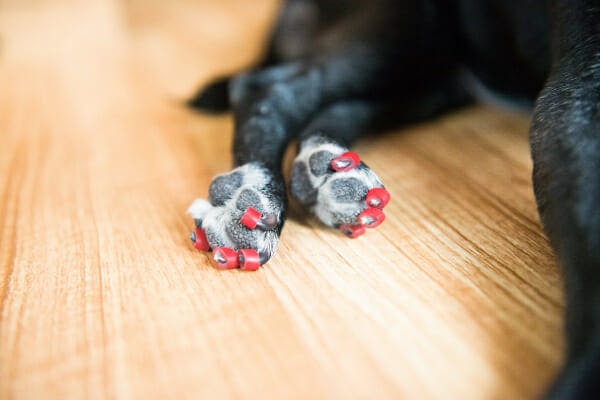
ToeGrips can be a game-changer for dogs who are struggling to get traction. Additionally, the extra security that ToeGrips provide allows a dog to walk more confidently and decreases the risk of becoming injured by slipping and falling.

Weight management
If your dog is overweight, your vet may make some recommendations to help your dog lose weight. Excess bodyweight puts more stress on the joints which leads to more pain. When a dog gets back to an ideal body condition score, he or she is often able to move around more comfortably.
Regular low-impact exercise—Should you walk a dog with luxating patella?
If you are wondering, “Should you walk a dog with luxating patella?” the short answer is “Yes!” Dogs with a luxating patella can greatly benefit from walks. Since weight management is a big part of the non-surgical treatment of luxating patellae, daily walks can help burn excess calories. However, it is possible to overdo it on the exercise. Running and jumping can accelerate the wear-and-tear on the cartilage that covers the ends of bone, thus speeding up the development of arthritis.
Even if you pursue surgical treatment for your four-legged companion, walking will be an important part of his or her recovery. In the initial two weeks of healing, your vet surgeon may limit your dog’s walking habits. Once two weeks have passed and adequate healing is confirmed, the doctor may tell you to gradually increase activity. This is because thigh muscles tend to atrophy (i.e. shrivel) if full weight is not placed on the limb (think about how astronauts living on the International Space Station have to exercise daily to prevent muscle weakening).
Additional therapy modalities
There may be other treatment modalities that your vet will recommend such as:
- Luxating patella dog massage — deep tissue massage may help with muscle contracture and lymphatic massage is useful to help reduce inflammation after surgery
- Physical therapy — to ease muscle tenseness, build muscle, and improve mobility
- Acupuncture — for pain relief
- Laser therapy for dogs — to reduce pain and inflammation
- Underwater treadmill for dogs — to help with weight loss and build muscle strength
- PEMF therapy for dogs (pulsed electromagnetic field therapy) — for pain relief
Luxating patella dog surgery
Dogs with a Grade III or Grade IV luxating patellae often need surgery to keep them comfortable and mobile. Additionally, while early intervention with medical management may help prevent a Grade II luxation from worsening, it isn’t always successful. Sometimes, the trochlear groove may wear down over time, causing the luxation to progress to a Grade III. Or a dog may become significantly painful even with a Grade II luxation. In those cases, it may be time to consider surgical correction.
Some general practice vets may be able to perform luxating patella surgery. However, because knee surgery is not a common procedure, your vet may refer you to a small animal orthopedist who is boarded through the American College of Veterinary Surgeons (ACVS).
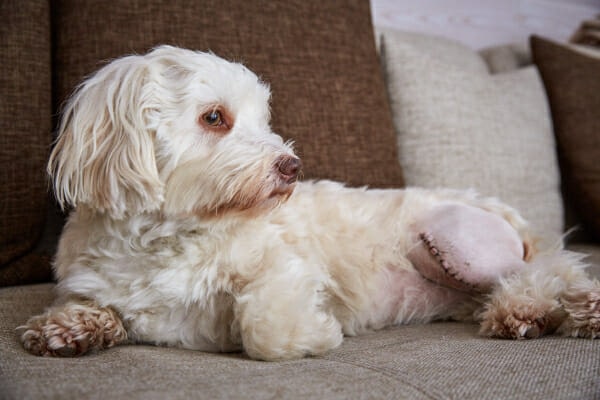
There are several different surgical techniques that the surgeon may use for dogs with luxating patellae. The technique selection will depend on the severity of the luxation, your dog’s size, and if there is additional structural damage inside the knee. If both knees require surgery, the surgeon may choose to correct both at the same time if the patient is young. For older dogs or for those with other health issues, the surgeon may choose to separate the procedures by eight weeks or more.
Lateral imbrication surgery
For mild cases, the surgeon may recommend a lateral imbrication (i.e. lateral reinforcement). This is a simpler technique where the vet will tuck or tighten the joint capsule surrounding the patella on one side to prevent the patella from luxating. In some cases, the vet will also loosen the capsule on the other side so the patella doesn’t get pulled to that side.
Trochelar modification surgery
Another option is to deepen the trochlear groove so that the patella can stay within the groove instead of luxating. In order to keep cartilage safe during surgery, the surgeon will remove a slice of bone from underneath the cartilage. Then he or she will put the cartilaginous part back into place. This preserves the cartilage’s ability to help the ends of the bone glide over each other and absorb shock when the dog moves.
Tibial crest transposition
Dogs with a bow-legged stance may need a tibial crest transposition or tibial tuberosity transposition (TTT). This procedure involves removing the tibial crest (i.e. tibial tuberosity) where the patellar ligament attaches and then pinning it back in a new position to correct the abnormal forces across the joint.
Ridgestop™ implant
In some cases, the surgeon may select a newer technique which involves the use of a Ridgestop™ implant. The procedure involves using a small curvy metal plate to increase the height of the trochlear groove ridges. This keeps the patella from slipping out of place.
Dogs may require a combination of these approaches as well, and this is not an exhaustive list of surgical options. The best way to know what sort of surgery is right for your dog would be to consult with a board-certified veterinary surgeon.
To learn a bit more about some of the surgical options and the decision making process you can also refer to this article from Vet Times, Canine Patellar Luxation Part 2: Treatments and Outcomes.
Luxating patella surgery recovery
For the average luxating patella dog, surgery recovery can take six to eight weeks. This can sometimes be shorter if the surgeon used the lateral imbrication technique. On the other hand, recovery can also take longer than eight weeks if the dog needs physical therapy.

As a general rule of thumb, a dog should be able to bear weight on the limb after two weeks. If he or she is still not using the limb properly after one month, physical therapy may be a good idea. However, this can vary between procedures. It’s wise to ask your surgeon what to expect in your dog’s particular case.
Initially, strict crate rest or confinement to a large pen is necessary following surgery. Your dog’s surgeon may also use a cast or bandage material to protect the surgery site and prevent excess movements.
After the first two weeks, light walking may be acceptable, but dogs should not be permitted to walk off-leash. Running and jumping are also prohibited. Again, please follow your surgeon’s instructions about exercise as they will be tailored to your dog’s exact situation.
When proper surgical aftercare is used, the success rate of luxating patella surgery in dogs is quite good. According to the ACVS, more than 90% of dog owners are happy with their pup’s mobility post-surgery. This percentage decreases slightly for large breed dogs, usually because they are more likely to have lameness that is multifactorial. For most dogs, the chances of an infection are quite low, and the odds of implant failures or recurrence of joint instability are lower still.
Talk to your veterinarian about luxating patella options for your dog
The good news is that, as you can see, there are many options available to help a dog with a luxating patella. It doesn’t have to spell the end of your dog’s ability to participate in activities, especially for dogs with a Grade I or II luxation. Even if your dog has a higher grade luxation, there are a wide range of surgical options which are generally quite successful.
If you see your dog limping or walking “funny,” be sure to bring it up to your veterinarian as soon as you can. Prompt identification of luxating patellae can lead to faster treatment. Plus, early intervention may help prevent future joint pain. Together, you and your vet can do everything possible to set your dog up for minimal pain and maximal enjoyment of life.
Does your dog have a luxating patella?
Please share your experiences below.


My 7 month old Chihuahua has luxating patella’s in both knees. They are stage 3-4. She doesn’t seem to be in any pain but they went from a one to 3-4 in 4-5 months. She only weighs 5.6 lbs. I’m going to get an appointment with an orthopedic surgeon. Do you think it’s too early to tell if she will get any better or is it likely it will continue to worsen. And what will they outcome be. Do they normally become healthy disease free after the surgery? Thanks
Hi Rhonda,
I am sorry your little pup is struggling with a luxating patella in both knees. I am glad you are planning to schedule a consult with an orthopedic specialist. In my experience, this issue does not improve on its own and will continue to progress without some type of intervention. Yes, the surgery will correct the issue and prevent the patella from luxating so easily. I am sure the surgeon will explain everything in more detail. Make sure you have your list of questions and concerns ready before the appointment so you can get the answers you need to make the best choice for your sweet girl. Wishing you both the best!
My Boston Terrier has grade 1-2 luxating patella in both knees. His knees pop out occasionally and go back into place on their own. Doctor recommends surgery, but said he can only do one knee at a time so pup can walk after recovery. I was told previously that he could do both knees at the same time. The thought of two surgeries and two lengthy recoveries scare me, any advice?
Hi Jessica,
I understand your concern with having to endure two different procedures and the recovery period post-op. With that being said, I also see your vet’s concern with your little guy needing to have one usable leg to get around during recovery. I have seen it done both ways and feel like it is mostly surgeon preference. You may want to let your vet know how strongly you feel about having both knees done at the same time. If they still decline, it would be an option to reach out to other surgeons in the area. I hope you can find the answers you need to make the best decision for you and your sweet boy. Wishing you the best of luck.
I have a 12 1/2 year-old toy poodle who has a lactating patella it’s in stage 4/5 I have an appointment at the end of the month at an orthopedic surgeon but so concerned about this big surgery at her age any suggestions
Hi Elaine,
I understand your concern for your senior girl and this possible upcoming surgery. I always recommend dogs have the necessary pre-op lab work and testing to make sure there are no underlying issues that would make anesthesia especially risky. If your pup’s test results are normal, then I vote yes to surgery. We know the surgery will help decrease her pain and discomfort and improve her quality of life. Age alone is never a reason to avoid a life-giving procedure. I will attach links to other articles that may offer additional information and comments from other readers. I hope you can find the answers you need to make the best decision for you and your sweet girl. Best wishes to you both.
1. Is My Dog Too Old for Surgery?
2. Is My Dog Too Old For Anesthesia?
Great information! My question is in regards to when we should let our dog sleep in the bed with us? He’s two weeks out with staples removed. His recovery is going great and will have PT this upcoming week. My with wants him back in our bed where he’s normally sleeping, yet I don’t want to rush. I’m worried he’ll jump off the bed, if he hears one of our cats scratching the door.
Hi Joe,
This would be a great question for your rehabilitation veterinarian! After evaluating your pup and starting PT, they will have a good idea of what activities and behaviors are ok for your dog or what should be avoided. Also, they make small ramps or stairs/steps that your dog can use to get off the bed without having to jump. I hope your sweet boy will continue on the path to a full recovery. Best wishes!
My three year old, 7.8 lb Yorkie (who is not overweight) has what his vet described as a stage III to IV case. He is very active, fast as lightening and jumps all the time. However, on about 4 different occasions he has started holding up one hind leg that seemed painful. A little massage and within a few minutes was fine again. Should I just let this progress since it isn’t causing any real quality of life issues, or should I have him assessed for surgery. I would hate to put the little fella through surgery!
Hi Marcia,
I understand your concern with the possibility of surgery and your young pup. In my experience, the surgery is easier and more successful if done earlier in the disease progression. Most surgeons will want to do the procedure before lots of scar tissue, inflammation, and joint changes have occurred. It would be a good idea to schedule a consult with a veterinary orthopedic surgeon and see what their recommendation is for your dog’s specific situation. I hope you can find the best way to get your little guy pain free and living his best life. Best wishes and good luck!
I adopted a 6 lb senior ( 12 -15 years old) Chihuahua 7 months ago. She is the sweetest little dog. She had to have 17 teeth removed. She was cleared for anesthesia as she also has a low grade heart murmur. She has walked with a bit of a rear waddle and was diagnosed as arthritic. Monday morning she sat down in the yard and could not get back up. I took her to the ER vet who diagnosed her with luxating patella in both knees after X-rays. She did not offer a grade level but said she was able to pop her knee back in. I have an appointment today at her regular vet. After researching the diagnosis, I am so concerned about her not being a good candidate for surgery. Is pain management-although she does not appear to be in any pain at this time- and use a rear wheel cart an option for a tiny senior? Thank you for a wonderful article. I’m assuming my regular vet will recommend an orthopedic consult.
Hi Linda,
I am sorry your little Chihuahua is having mobility issues with her rear legs. She is lucky to have found you and have you advocating for her health and wellbeing. Pain management and carts are great options for tiny senior pups! Although I wouldn’t think your girl would need a cart unless it is found that she also has a neurological issue that has rendered her paralyzed in the rear limbs. If this is truly an orthopedic/arthritis issue, then pain management and physical therapy could do wonders for your sweet girl. Like you mentioned, a consult with an orthopedic specialist is a great idea, and whether they recommend surgery or not, I recommend you talk with a veterinary rehabilitation specialist. Rehab/physical therapy is a great way to either prepare your girl for surgery and recovery afterwards or help decrease her pain level and inflammation if surgery is not pursued. I hope you can find the right combination of treatments to restore your pup’s quality of life. Wishing her a complete and speedy recovery.
I adopted a Jack Rusell Terrier cross two years ago and noticed that she had pain in her back leg April this year. She is approximately 5 years old. The diagnoses was a grade III patellar luxation with the recommendation for surgery. I proceeded with the surgery although it was incredibly expensive as she is still a young doggie and I want her to have the best chance at a pain-free active life.
She had her 6 week post-operation checkup today. All looks well on the X-rays but she still does not put her full leg on the operated leg when she stands and sometimes she limps. The Doc suspects that it might be pain from the cruciate ligament, but suggests a few more weeks of observation and monitoring.
I so desperately hope my pup does not need more surgery!
Do you have any experience of cruciate injury related to a patellar luxation?
Thank you for the informative article!
Hi Justine,
I am sorry your little pup’s recovery from surgery is not progressing as expected. I agree with your vet that it may be good to give it a few more weeks to see if she will start using the leg more. Also, if the vet that performed the surgery was not an orthopedic specialist, then it might be a good idea to talk to a specialist and get their expert opinion on your dog’s knee issues. They can let you know if the cruciate ligament is causing a problem or if this is all still related to the patellar luxation. No matter the source of the pain, I highly recommend you find a rehabilitation vet to start working with your girl. They can help her through this recovery process post-surgery and give you reasonable expectations for how things should be progressing. Wishing you both the best and praying for a positive outcome for your Terrier girl.
Hello Dr. Buzby!
Thank you for such a well written and informative article. My 55 lb Chow Chow mix was just diagnosed with a grade II-IV medial patella luxation. He is only 15 months old and obviously not a small breed dog. My vet immediately recommended surgery, but also said I could wait another few months just to confirm he will not “grow out of it.” The symptoms started after he slipped going down the stairs (we recently moved to a home with hardwood floors, I need to invest in your nail grips) and my insurance is of course denying my claim as a pre-existing condition, stating that a Cranial Cruciate Ligament (CCL) injury is a chronic degenerative disease. It very clearly to me was a result of a traumatic injury.
I am just having a hard time coming to grips with this diagnosis and justifying the need for surgery, given his age and conflicting information. Is it likely that even if he has the surgery, the symptoms will return down the line and he’ll need another? Thank you for your expert opinion and help.
Hi Amy,
I am glad you are reaching out about your Chow’s peculiar case. I think it would be a good idea to have him evaluated by a veterinary orthopedic specialist. They can give you a definitive diagnosis, go over the surgical and non-surgical treatment options, and discuss prognosis for the future. Also, if your pup does have a torn cruciate ligament, your vet should be able to give your insurance company the information they need to correct their statement of it being a preexisting condition. The insurance company is correct that most CCL tears in older adult dogs are the result of chronic degeneration, but that isn’t always the case! This kind of tear can also happen with a traumatic injury just as you have described. Your sweet boy is lucky to have you advocating for his health and wellbeing. I wish you the best and keep up the good work!
If your dog is already at a stage 4 luxating patella what is likelihood with surgery that he will still have to live with the pain of permanent arthritis?
Hi Valerie,
With a stage 4 luxating patella there is definite joint damage and most likely osteoarthritis already in place. X-rays may be able to evaluate the degree of damage already present and a surgeon can evaluate further during the surgical repair. Whether you pursue surgery or not, I highly recommend you have your dog evaluated by a veterinary rehabilitation specialist. They have many different tools and treatment options to help reduce pain and inflammation either post-surgery or without surgery all together.
That is good information to know.
On a (kind of related topic, at least it’s leg related) do you know the cause for a dog whose back legs, sometimes it’s only one but other times it’s both, tremble after vigorous exercise and/or excitement. Our Aussie’s legs do that (never her “arms”) and I’ve seen other dogs do it and ask their people if they know what causes it. I’ve shown two maybe three of our veterinarians videos of our girl’s legs doing the trembling thing but they have never been able to tell me why it’s happening. If I hold her legs or move them to a slightly different position it will often stop. She is eight now and has been doing it since she was several years old. It may happen a little more often now. I just want to be sure it’s nothing that I need to keep a cautious check on. I keep asking people hoping that someone will have the answer.
Hi Amy,
Your Aussie girl sounds like a very interesting case! Without examining her myself, I’m not sure I can really make any guesses as to the cause of her trembling episodes. It does make me think about possible neurologic issues. I am glad you have this on video as it can be hard to replicate exercise related problems in a clinical setting. It might be a good idea to pursue referral to a veterinary neurologist or internal medicine specialist. They may have ideas about a possible diagnosis or testing that could shed some light on this mystery. I hope you can find the answers you are looking for and rule out anything life threatening. If you do find out what is causing the problem, let us know and keep us updated! Good luck to you and your sweet girl.
My 7 year old Lab-chihuahua mix/rescue had his first vet appointment today due to him limping., they said it is most likely luxating patella in box knees. They will be doing X-rays in two weeks to be sure but said it’s most likely the cause. Due to his age and weight they are recommending surgery if it’s the case. My question is what would a double knee surgery recovery look like? I know he’ll have to be confined to his crate, will he have casts? Will he need assistance going to the bathroom?
Hi Brittany,
I understand your concerns surrounding these possible surgical procedures. There should not be a cast placed over the legs after patella surgery. There may be a bandage just for the first day or so to help control swelling and keep the incision site clean. Not all surgeons use bandages after this kind of surgery. Your pup will need assistance for anything that requires standing. You may want to invest in a sling or harness specifically designed for use with the hips/rear end that will make assisting your dog easier. I personally have had great success with the “Help’Em Up” harness. Things should get easier as recovery progresses. You may be glad you had both done at once instead of having to go through recovery again for a second surgery. I am hopeful that all will go smoothly, and your sweet boy will be back to living his best life in no time.