Irritable bowel syndrome (IBS) in dogs is triggered by stress and can cause a variety of GI signs such as diarrhea or a poor appetite. Integrative veterinarian Dr. Julie Buzby discusses the causes, symptoms, diagnosis, treatment, and prevention of IBS to hopefully reduce your dog’s chances of an IBS flare or support you though one that is already going on.
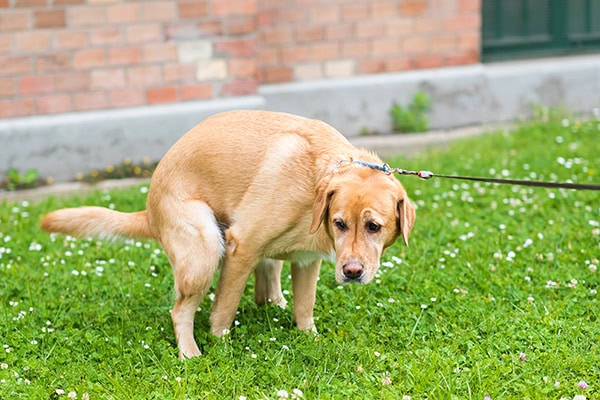
If your dog is like mine, he or she thrives on routine. Changes like boarding, grooming appointments, travel, or even a day at the veterinary clinic can be stressful enough to set off a cascade of GI signs. This stress-related disruption of normal GI function is known as irritable bowel syndrome (IBS).
What is IBS in dogs?
Irritable bowel syndrome (IBS) is a stress-related condition in dogs that causes intermittent flare-ups of gastrointestinal upset such as diarrhea, nausea, or a poor appetite. Generally speaking, IBS ends up being the diagnosis for about 10-15% of dogs who have diarrhea originating in the large intestine. In the rest of the cases, there is a physical cause for the symptoms.
Is IBS the same as IBD?
Although IBS has similar symptoms to inflammatory bowel disease (IBD), they are NOT the same condition.
- IBD in dogs involves chronic inflammation and accumulation of white blood cells in the walls of the stomach and/or intestines. While not well understood, it seems to arise due to immune system dysfunction, shifts in gut bacteria populations, and/or dietary sensitivities.
- IBS does not result in permanent changes to the tissues of the GI tract and has a psychological cause.
What causes IBS in dogs?
The main cause of IBS in dogs seems to be stress. But diet and the connection between the GI tract and brain (gut-brain axis) may play a role, too.
Dogs typically develop acute signs of IBS after a stressful event. This might be something like being boarded or groomed, undergoing surgery, having visitors in the home, or hearing loud noises like a thunderstorm or fireworks. The very act of having a diarrhea accident in the house due to IBS can contribute to a dog’s stress level too, creating a loop of accidents and stress.
Sometimes, the dog will start having soft stools and other symptoms during the stressful event. Other times, especially if it was a short-lived stressor like fireworks, the very next bowel movement may look normal. And then the following ones will be looser.
That said, diet can also play a role in the onset of IBS in dogs. This is especially likely for dogs whose diet is nutritionally incomplete, who have an intolerance to certain ingredients, or who experience an abrupt change in his or her regular diet.
Interestingly, research has indicated that the gut-brain axis, the bidirectional communication between the brain and the microbes, immune tissues, nerves, and other components of the intestinal tract, plays a role in IBS in humans. And the same may be true for dogs.
There is much left to be learned about gut health in dogs. But it may be the piece of the puzzle that helps explain how stress contributes to GI signs.
Which dogs tend to get IBS?
Middle-aged and senior dogs may be slightly more at risk for IBS. But stress colitis in dogs (another name for IBS) can occur in dogs of all ages and breeds.
What are the symptoms of IBS in dogs?
Dogs suffering from IBS can exhibit a wide variety of gastrointestinal symptoms, including:
- Increased frequency of defecation: The dog might be asking to go out frequently. Or he or she might have a stool accident in the house due to being unable to “hold it.”
- Diarrhea: An increase in gut motility may lead to soft stools or diarrhea. You may notice some mucus in the dog’s poop, too.
- Straining to defecate: Gut irritation can cause straining and an increased sense of urgency to defecate. Sometimes the dog may also posture without getting any stool out.
- Excessive gas: Gassy dogs might pass more gas (flatulence), look a little bloated, or have a gurgly belly (borborygmus).
- Nausea and/or vomiting: You might notice your dog drooling excessively or your dog licking his or her lips if he or she is nauseous. Sometimes dogs with IBS will also vomit.
- Abdominal pain: Dogs with abdominal pain may try to relieve their discomfort by stretching with their front legs extended and their bottom in the air (the play bow position).
- Abdominal distention: A dog with IBS might have a bit of a rounder belly at times due to intestinal gas. However, this is should not be confused with bloat in dogs (gastric dilation and volvulus or GDV), which is an emergency situation.
Systemic signs of IBS in dogs
In addition to the clinical signs focused more directly on the GI tract, dogs with IBS might show non-specific symptoms such as:
- Inappetence: Some dogs eat less and others stop eating entirely.
- Dehydration: If vomiting or diarrhea become excessive, you might see signs of dehydration in dogs such as dry gums.
- Licking objects: Licking the carpet, walls, or other surfaces sometimes points to GI issues like IBS.
- Weight loss: Weight loss is not a hallmark sign of IBS. But it is possible in dogs who are nauseated and experiencing abdominal discomfort. Dogs who have repeated episodes of IBS may also eventually lose weight if recurrent diarrhea interferes with normal nutrient absorption.
- Signs of anxiety: If your dog is still feeling stressed, he or she might be panting, pacing, hiding, or showing other signs of anxiety.
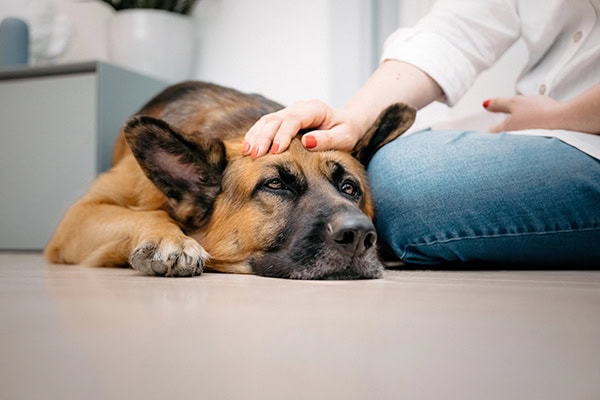
When do I need to take my dog to the vet?
One of the challenging things about IBS is that it has a very similar list of symptoms to many other GI diseases. While IBS isn’t usually dangerous, other GI diseases can be if left untreated.
Thus, if your dog is experiencing mild vomiting, diarrhea, or other signs of GI upset that don’t seem to resolve in a day or two, it is worth making an appointment with the vet.
Profuse bloody dog diarrhea, frequent vomiting, or your dog seeming lethargic, weak, or dehydrated all indicate that he or she may need to be seen more urgently. In that case. don’t wait to see if your dog improves.
In the event your dog shows severe weakness, collapse, pale gums in dogs, abdominal distension plus unproductive vomiting, or other severe signs, make an emergency vet visit immediately. These signs may point to a GDV or other serious condition.
How will the vet diagnose your dog with IBS?
IBS is considered a diagnosis of exclusion. This means your vet will recommend a series of tests to rule out other common causes of gastrointestinal upset. Then, in the absence of a physical cause for the signs, the vet will diagnose the dog with IBS.
Some of the more common tests include:
Fecal tests
Fecal tests in dogs allow your vet to check for intestinal parasites such as whipworms or hookworms and infectious organisms like Giardia. Plus, fecal tests can help detect Clostridium and other bacterial infections that could cause diarrhea and abdominal discomfort.
Bloodwork
Baseline blood tests for dogs, like a chemistry panel and complete blood count, are a good way for your vet to assess your dog’s overall health. Plus, he or she may use specific blood tests to rule out systemic illnesses like pancreatitis in dogs, Cushing’s disease in dogs, or Addison’s disease in dogs.
Imaging
Abdominal X-rays are helpful for ruling out intestinal foreign bodies or pockets of gas in the intestines that may be causing discomfort. And they also provide a generalized assessment of organ size.
Sometimes the vet will recommend an abdominal ultrasound, too. Dogs with IBS will have normal loops of bowel. This is in contrast to the thickened loops that are often present with IBD or diffuse cancers like intestinal lymphoma.
GI biopsies
In order to differentiate IBD from IBS, the vet may recommend GI biopsies. He or she can collect the samples via endoscopy or, less commonly, during exploratory surgery.
Dogs with IBS do not have any structural changes to the GI tract. On the other hand, biopsies from dogs with IBD usually show inflammatory cells invading the walls of the intestines or stomach.
Food trials
If the vet suspects food allergies in dogs are the root cause of recurrent digestive upset, he or she may suggest an elimination diet trial. This involves transitioning your dog to a strict, specialized hypoallergenic diet. You will feed that food and nothing else for 8-12 weeks to see how the dog responds. If the food trial improves the dog’s symptoms, food allergy is a likely culprit.
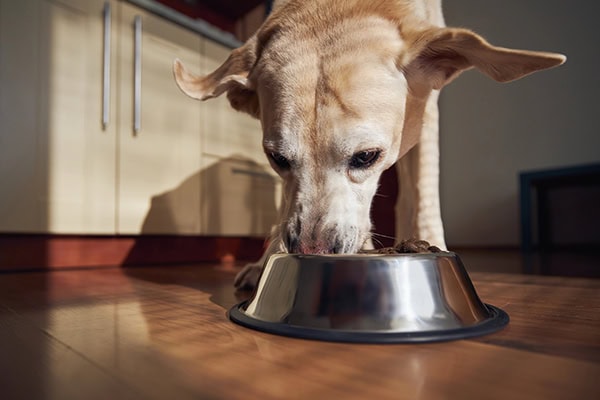
What is the treatment for IBS in dogs?
Since there is no physical problem in IBS, the two main goals of treatment are:
- Support the GI tract during and after the episode
- Reduce current and future stress
Typically, this involves medications and/or natural treatments for IBS in dogs like diet changes, supplements, probiotics, fiber, and environmental modifications.
GI-specific treatments
First, let’s take a look at treatments that are more specific to the GI tract:
Anti-diarrheal medications
Prescription medications like Metronidazole (Flagyl®) and over-the-counter products like Kaolin-Pectin (Pro-Pectalin™) can be useful for managing diarrhea. Metronidazole is an antibiotic that may also have anti-inflammatory properties for the gut. And Pro-Pectalin provides probiotics and helps soothe irritated gut walls and firm up stool.
It’s worth noting, however, that many veterinarians are moving away from widespread use of antibiotics like metronidazole to treat diarrhea. Antibiotics are designed to target harmful bacteria and parasites. But as a side effect, they can also upset the balance of beneficial bacteria in the gut. Thus, now vets may tend to just use them for specific indications such as targeting certain Clostridium species or protozoal parasites like Giardia.
Probiotics
High-quality prebiotic and probiotic supplements can be a great natural way to support the health of a dog’s intestinal bacteria. Thus, vets recommend them more and more frequently for dogs with GI issues.
When choosing probiotics for dogs, look for one containing between 1 and 10 billion CFUs per dose. This helps ensure your dog receives a therapeutic amount of live cultures with each serving. Your veterinarian may have a product he or she recommends. Otherwise, some examples of products that are generally popular among vets are Purina Pro Plan’s FortiFlora® and Calming Care products, and Nutramax’s Proviable®.
Bland diet
Your vet may recommend a few days of feeding a bland diet for dogs to allow your dog’s intestinal tract to recover. This may involve homemade foods like unseasoned, boiled chicken and rice, which is easily digestible.
If you are not able to cook for your dog, there are also several commercially-available diets. Some of the more commonly used veterinary prescription diets include Hill’s Prescription Diet i/d and z/d or Purina Pro Plan Veterinary Diets EN.
Another alternative to consider is the Royal Canin Calm diet. It contains the milk protein casozepine, which has been proven to provide calming properties for dogs and cats suffering from anxiety.
Note: Especially when feeding a bland diet to help your dog recover from IBS, it is important to avoid table scraps, as they can irritate the GI tract. But it is ideal to minimize them all the time.
Increased fiber
Providing a healthy dietary source of fiber for dogs can also be beneficial for avoiding future IBS events. Plain canned pumpkin for dogs (not the sweetened pie filling) or other fiber-rich foods like green beans are one potential option.
Alternatively, for dogs who need more fiber, your vet might recommend a fiber supplement like Metamucil for dogs. It is important to only use the unflavored powder form of Metamucil, though, as other forms may contain xylitol (birch sugar), which is toxic for dogs.
Finally, there are also prescription foods that provide larger amounts of high-quality soluble and insoluble fiber than traditional dog foods.
Treatments to manage stress
The vet may also recommend supplements, medications, and other methods to help reduce your dog’s stress level. Some of them you may use daily. Others are a tool to pull out during stress-inducing situations.
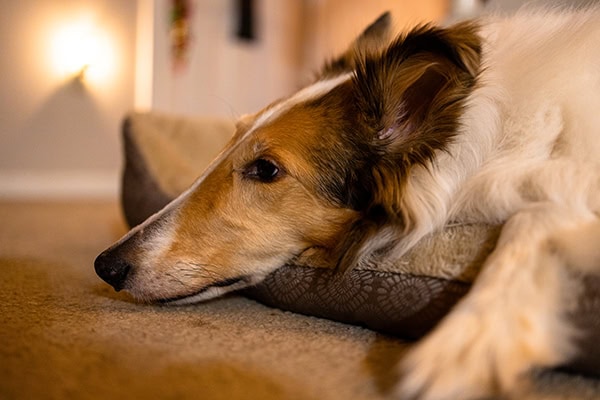
Anti-anxiety medications
For dogs who have been diagnosed with anxiety, using an anti-anxiety medication prior to or during known stressful events can greatly reduce a dog’s risk of developing IBS. This may be something your dog takes every day to manage generalized anxiety. Or it could be a medication you just give on an as-needed basis.
Some examples of prescription medications your vet might consider include:
- Fluoxetine for dogs
- Clomicalm® (clomipramine)
- Clonidine
- Sileo® (dexmedetomidine)
- Trazodone for dogs
- Gabapentin for dogs
Your vet will select the medication or combination of medications that best meet your dog’s needs. Sometimes it takes some trial and error, so don’t be discouraged if the first medication isn’t quite right.
Important note: Some of the medications on this list are also prescribed for humans. But it is important to never share your own prescriptions with your dog, or vice versa.
Nutritional supplements
There are a variety of nutritional supplements that may be beneficial. For dogs with a history of IBS, products like Omega-3 fatty acids for dogs and calming supplements like Anxitane®, Solliquin®, Composure® or Zylkene® have all been shown to provide symptomatic relief.
If you are considering trying a supplement, please speak with your vet. He or she can help guide you toward high-quality products from reputable companies that are right for your dog.
Stress relief
Providing stress relief at home may come in the form of lifestyle modifications and products designed to keep your dog’s anxiety to a minimum.
For example, you can apply a dog-appeasing pheromone (DAP) calming collar directly to your dog. Or you can place pheromone diffusers around the home in the areas where he or she spends most of each day.
If your dog is tolerant of clothing, placing a ThunderShirt® on him or her provides a comforting, gentle pressure, similar to swaddling an infant. You can also create a quiet, safe space for your dog away from the main activity of your home. This gives your dog the freedom to interact or retreat according to his or her comfort level.
For dogs with noise-related phobias like thunderstorms or holiday fireworks, playing soft, jazz music or using white noise machines near their crate or in the main areas of the home can help drown out the scary noises that trigger anxiety.
Having a routine can also help your dog know what to expect. This may mean feeding him or her at a certain time and place, taking walks around the same time, or having a regular bedtime that you try to stick to.
Finally, you might consider hiring a qualified pet sitter to come to your dog as an alternative to being boarded away from home. This same philosophy applies to using mobile groomers for dogs who are anxious in noisy grooming parlors.
Behavior modification training
If you find yourself in need of additional resources to help relieve anxiety in your beloved dog, ask your veterinary team to recommend a veterinary behaviorist or qualified trainer in your area. Or you may try searching for one using the American Veterinary Society of Animal Behavior (ASVAB) directory.
Most of these professionals will come to your home to evaluate your dog on his or her home turf. And then they can teach you how to use positive reinforcement-based behavior modification techniques to promote calm behavior.
What is the outlook for dogs who have IBS?
The good news is that the prognosis for dogs with IBS is generally excellent. Unlike conditions that cause inflammation or damage to the digestive tract such as IBD, IBS is considered a functional disorder. This means that while the gut reacts strongly to stress, it doesn’t undergo any lasting physical changes.
Thankfully, with proper management, many dogs experience significant improvement in their symptoms. However, because IBS can be a recurrent or chronic condition, it is important to be vigilant. The sooner you catch an IBS flare, the better.
Are there ways to prevent IBS flare ups?
If you have a stress-diarrhea prone dog, it may not be possible to prevent it entirely. However, using the tactics discussed above such as probiotics, higher dietary fiber, anxiety-reducing medications or supplements, and lifestyle changes, can go far in reducing the number and severity of IBS episodes long term.
Take a proactive approach to IBS
You know your dog best. This gives you an advantage because recognizing your dog’s stress triggers can make a huge difference in how he or she recovers from a bout of IBS.
Whether it’s fireworks, visitors, travel, or changes in routine, taking steps to reduce stress before and during these events can help your dog’s sensitive digestive system stay on track. And it is a great way to minimize future flare-ups.
Does your dog have IBS?
Please share your experiences below.

