Autoimmune disease in dogs occurs when the immune system attacks cells and tissues in the dog’s own body. Depending on the target, the consequences can range from uncomfortable to life-threatening. Integrative veterinarian Dr. Julie Buzby explains what causes these conditions, how your vet will diagnose and treat them, and what they might mean for your dog. Plus, she introduces dog parents to a comprehensive list of 24 autoimmune diseases in dogs.

A healthy immune system helps dogs fend off foreign invaders (bacteria, viruses, fungi, etc.) and guard against dangerous changes in normal cells in the body. You can think about it sort of like an army that is always patrolling the “borders” and is ready to defend the body at all costs. This is a very good thing as long as the immune system has the right target.
However, if the immune system gets bad information and fixes its sights on normal cells or tissues in the body, havoc ensues. Now the immune system is attacking the very thing it was sworn to protect. This situation of self-attack is called an autoimmune disease.
What is an autoimmune disease in dogs?
An autoimmune disease (otherwise known as an immune-mediated disease) is a complex medical condition where the immune system attacks the dog’s cells and tissues by mistake, causing anything from crusted, ulcerated skin or decreased thyroid function to life-threatening anemia or organ failure.
Some autoimmune disorders affect only certain parts of the body, such as the skin, eyes, or kidneys. But others can affect a dog systemically, causing widespread damage to multiple organs and tissues. As you will learn, the target of the attack dictates the course of the autoimmune disease.
What causes autoimmune diseases in dogs?
Identifying what triggers an autoimmune disease can be a challenge. Often, veterinarians know a dog’s immune system is mounting an attack against normal cells and tissues, but they don’t know exactly why.
It has been proposed that autoimmune disease occurs due to some combination of the following: genetic predisposition, environmental factors, infections, excessive exposure to UV rays, and in very rare cases, vaccinations.
Let’s get an overview of each one:
Genetic predisposition
Some purebred dogs are known to have a higher risk of developing certain autoimmune conditions. And mixed-breed dogs with those same bloodlines may be affected as well.
For example, the following breeds are predisposed to some common autoimmune diseases:
- Old English Sheepdogs and Cocker Spaniels: Have an increased risk of immune-mediated hemolytic anemia (IMHA), immune-mediated thrombocytopenia (ITP), and Evans Syndrome.
- Irish Setters: Prone to immune-mediated polyarthritis (IMPA), systemic lupus erythematosus (SLE), and IMHA.
- German Shepherds: May be more likely to develop pannus, immune-mediated polyarthritis (IMPA), or some autoimmune skin disorders such as discoid lupus erythematosus (DLE) and symmetric lupoid onychodystrophy (SLO).
Note: This is far from a comprehensive list as there are many breeds who are predisposed to certain autoimmune diseases. If you have a purebred dog or a mixed-breed dog with a known breed composition, it’s a good idea to be aware of which diseases your dog may be more prone to.
Environmental factors
Like humans, dogs are susceptible to environmental factors affecting their health. Potential environmental triggers of autoimmune disease include environmental allergens, toxin exposure (pesticides, for example), medications (antibiotics, antiparasitics, etc.), and dietary intolerances.
These factors may place additional stress on a dog’s immune system, causing it to start attacking the cells and tissues of the body.
Infections
Some infections, such as bacterial, viral, or tick-borne diseases, can push a dog’s immune system into overdrive as it works to fight off the infection. In the process, the immune system may become confused. Instead of just attacking the organisms causing the illness or the cells infected by the microbe, it targets normal cells, too.

Excessive exposure to ultraviolet (UV) rays
Dogs who spend a lot of time outside in intense sunlight may be more at risk for developing autoimmune disorders that affect the skin.
Vaccines
Vaccines play a crucial role in protecting your dog from serious diseases. In very rare cases, though, it is possible that instead of only mounting an immune response to the disease the vaccine is aimed at preventing, the immune system also mistakenly reacts to the dog’s own healthy cells.
This link has not been definitively proven, so it is not a reason to forgo vaccines in most situations. You can trust your veterinarian to guide you on the best course of preventive care for your dog’s particular needs.
What are the signs of autoimmune diseases in dogs?
Symptoms of autoimmune disorders vary widely depending on the specific disorder and which systems in the body are under attack. Many symptoms are nonspecific, meaning they can be seen in a number of different disease processes. Signs in this category could include being a lethargic dog, changes in appetite, or just generally seeming “off.”
Additionally, dogs may develop:
- Rapid breathing and pale gums
- Bruising and spontaneous bleeding
- Changes in water consumption or urination
- Dry flaky skin, sores or ulcers, changes in skin pigmentation, sloughing nails
- Limping, weakness, and/or joint or muscle pain or swelling
- Diarrhea and vomiting
- Seizures, confusion, or circling
However, with the number of potential autoimmune disorders, it isn’t possible to create a list of all the symptoms. Thus, if your dog develops new, unusual symptoms, it’s best to schedule a visit with your veterinarian as soon as possible. This allows your vet to visualize the active symptoms and formulate an appropriate diagnostic plan for your sweet dog.
How will the vet test for autoimmune diseases in dogs?
There are a handful of autoimmune diseases that do have a specific confirmatory test. But most of the time, the vet diagnoses your dog with an autoimmune disease after ruling out other more common conditions that could be causing the symptoms.
Gathering a history
The first step in the diagnostic process includes gathering a complete history. This involves discussing the symptoms and when they started, any medications, supplements or vaccinations the dog has recently received, the health history of siblings or parents (if known), and other relevant information.
Performing a physical exam
Next, the vet will move on to the nose-to-tail physical examination. This allows him or her to take note of any physical abnormalities.
Running baseline diagnostic tests
After that, the vet will suggest some diagnostic tests. As we’ve seen, many autoimmune disorders have symptoms that are vague and not an indicator of a specific disease.
Because of this ambiguity, your veterinarian may start with baseline lab tests to assess your dog’s overall health and begin the “rule out process.” Tests may include:
Bloodwork
Generalized blood tests for dogs, like a CBC (complete blood count) and chemistry profile, will allow your vet to look for indications of infection or cancer, evaluate the blood cell numbers, and assess organ function. Plus, the vet may recommend more specialized blood tests to help identify specific diseases. For example, tick titers can help diagnose tick-borne diseases in dogs.
Skin cytology and/or skin biopsy
If your dog is experiencing changes to the skin, the vet might recommend examining a sample of cells collected from the surface of the skin (cytology) or a small piece of tissue (biopsy) under the microscope. These tests are the gold standard for diagnosing skin-specific disorders. They may also help rule out secondary bacterial infections or certain cancers.
Imaging
Imaging studies are helpful when multiple organ systems or bony parts are involved. Tests like X-rays, ultrasound, and CT or MRI scans can identify abnormal fluid accumulation in the chest cavity, arthritic joints, organ enlargement, or bony changes.
Fluid analysis
Procedures like joint taps (arthrocentesis) or abdominal and chest taps (abdominocentesis and thoracocentesis) might be recommended if your dog has joint swelling or fluid buildup in the chest or abdomen. Alternatively, for some symptoms the vet may perform a fluid lavage of the airways.
These tests can help a veterinary pathologist characterize the fluid and identify abnormal cells at the microscopic level.
Performing tests for specific diseases
There are a few autoimmune diseases that require more specific tests to help your vet reach a diagnosis. They include:
- ACh receptor antibody tests and/or Tensilon test: Identifies myasthenia gravis (MG)
- ACTH stimulation test: Gold standard test for diagnosing Addison’s and Cushing’s disease
- ANA (anti-nuclear antibody) test: Used to diagnose systemic lupus erythematosus (SLE) in conjunction with a dog’s CBC results and active symptoms.
- Thyroid function tests: This group of tests includes T3, T4, free T4, and TSH. Together they help identify dogs with hypothyroidism.

After gathering baseline information, ruling out other conditions, and performing a confirmatory test (if available), the vet may diagnose your dog with a specific autoimmune disease. Then he or she will discuss treatment and management with you.
What is the treatment for autoimmune diseases in dogs?
Generally speaking, the goals of therapy for autoimmune disease are to:
- Suppress the abnormal immune response to stop the attack on the body
- Decrease inflammation in the affected tissues or organs
- Relieve pain (if the condition is painful)
- Support organ function, tissue healing, and recovery
Immunosuppressive therapy
Dogs who require immunosuppressive therapy to keep the immune system from attacking their cells often start out on steroids, such as prednisone for dogs. For dogs who cannot tolerate steroids or don’t respond sufficiently to them, the vet may also try other immunosuppressive medications. Some examples are azathioprine, mycophenolate, or cyclosporine.
As symptoms improve, your vet will recommend tapering your dog’s immunosuppressive medications to the lowest effective dose. This can help avoid the unpleasant side effects that often occur at higher doses.
Note: Not all autoimmune diseases will require immunosuppressive therapy. Your vet will let you know what is best for your dog.
Additional treatments
Additionally, the vet may recommend specialized diets, supplements, topical or systemic medications, or other treatments. The specifics of the plan will depend on which condition your dog has. For example, dogs diagnosed with diabetes mellitus will need daily insulin injections. Or dogs with immune-mediated hemolytic anemia (IMHA) might need a life-saving blood transfusion.
Are there home remedies or natural treatments for autoimmune diseases?
No, there aren’t any proven or safe home remedies or natural treatments for autoimmune diseases in dogs. Because these conditions involve the immune system attacking your dog’s healthy cells and tissues, they require careful medical management.
Your veterinary team will create a treatment plan specific to your dog’s needs, with the goals of easing symptoms, preventing flare-ups, and helping your dog enjoy the best possible quality of life.
What is the prognosis for autoimmune diseases in dogs?
The prognosis and life expectancy for autoimmune disorders can vary significantly based on your dog’s age, breed, gender, overall health, and the disease itself. As a general rule, autoimmune disorders are not curable. They require diligent monitoring and, in many cases, lifelong medications to keep your dog’s symptoms under control.
In some cases, the dog can go on to live a relatively normal life long term. But for other dogs, the condition may lead to death or euthanasia, either at the onset of the disease or later on in the disease process.
The best way to understand your dog’s prognosis is to have a conversation with your vet. He or she can give you a better idea of what to expect going forward. Plus, when you go to the follow-up appointments, you can continue to check in with your vet about any questions or concerns about your dogs future that arise.
Can you prevent your dog from getting an autoimmune disease?
For most autoimmune diseases, there’s nothing that you, as a dog parent, could have done to prevent the onset of illness. Autoimmune disorders are not your fault. These conditions develop because of internal battles your dog’s immune system is fighting, not because of anything you did or didn’t do.
That said, routine veterinary care, including vaccines appropriate for your dog’s lifestyle, yearly wellness checkups, and regular monthly parasite control, can go far in helping your dog stay as healthy as possible.
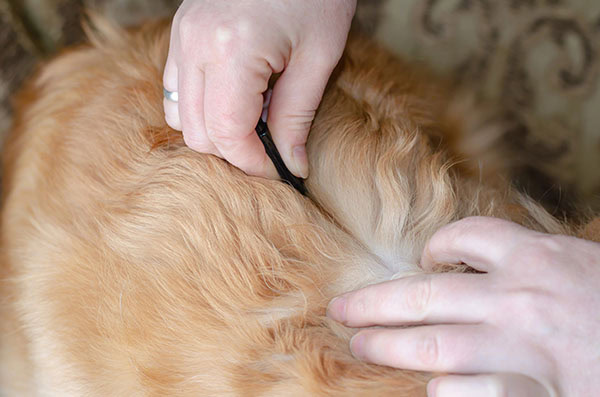
Additionally, since you know your dog best and spend the most time with him or her, you are well-suited to notice subtle changes that could point to a new illness. If you think something is off with your dog, it is important to make an appointment with your vet promptly. In many cases, the sooner your dog can start treatment, the better.
24 autoimmune disorders by the system they attack
Let’s switch gears and take a look at 24 specific autoimmune conditions in dogs. Often, veterinarians group autoimmune diseases in dogs by the tissue(s) or organ system(s) they attack. We’ll follow that same system.
4 autoimmune blood diseases and circulatory system disorders
Some autoimmune diseases that target red blood cells, platelets, or the blood vessels themselves include:
1. Immune-mediated hemolytic anemia (IMHA)
Immune-mediated hemolytic anemia (IMHA in dogs) is a serious autoimmune disease where the dog’s immune system attacks and destroys red blood cells (RBCs). The end result is life-threatening anemia in dogs, which can lead to pale gums, weakness, and rapid breathing.
Unfortunately, the prognosis is guarded in the first two weeks after diagnosis, but improves for dogs who survive past that point.
If you suspect your dog has IMHA, make an emergency vet visit immediately.
2. Immune-mediated thrombocytopenia (ITP)
Immune-mediated thrombocytopenia (ITP in dogs) is a potentially life-threatening autoimmune disease where the body attacks and destroys platelets, which are responsible for a dog’s normal clotting ability. This leads to bruising and spontaneous bleeding (dog nose bleeds, bloody vomit or diarrhea, bleeding into the eyes, brain, or lungs).
If you see those symptoms, seek emergency veterinary care. While scary in the moment, thankfully, ITP still carries a good prognosis with prompt diagnosis and treatment.
3. Evans Syndrome
The “double whammy” of autoimmune diseases, Evans syndrome in dogs is a combination of IMHA and ITP. This means the immune system is destroying both RBC and platelets. Dogs with Evans Syndrome may experience symptoms including weakness, pale gums, spontaneous bleeding and bruising, blindness, seizures, or collapse.
Like ITP or IMHA alone, Evans syndrome is life-threatening and requires immediate veterinary attention. Some dogs recover well with aggressive treatment, but others succumb to the effects of Evans syndrome.
4. Vasculitis
Vasculitis is an inflammation of the blood vessels, which may affect the skin (cutaneous vasculitis in dogs) or other other body systems (systemic vasculitis). There are a variety of proposed triggers, but the immune response does seem to play a role.
When a dog has vasculitis, the vessels become leaky and are more prone to developing clots. This may disrupt normal blood flow and decrease oxygen delivery to the tissues.
As a result, portions of the skin of susceptible tissues like the ear flaps, tail tip, scrotum, and paw pads may die (necrose). The dog may also develop red crusty areas or ulcerations on the skin. Alternatively, dogs with systemic vasculitis may have a fever, be lethargic, experience joint and muscle pain, or show other symptoms.
3 endocrine disorders
The endocrine system, which uses hormones to regulate many body processes, can also be a target of the immune system. The diseases in this category would be more commonly classified as “endocrine diseases.” However, they do have an autoimmune component because they can occur when the immune system targets and destroys the hormone-producing tissue.
5. Addison’s disease (hypoadrenocorticism)
Addison’s disease in dogs is a condition where the dog’s adrenal glands don’t make enough of the stress hormone cortisol and/or aldosterone, a hormone that regulates sodium and potassium levels. While there are multiple potential causes of Addison’s disease, autoimmune adrenalitis (destruction of the adrenal glands by the immune system) appears to be one of the most common culprits.
Dogs with Addison’s disease often have dangerous sodium and potassium imbalances and cannot respond normally to stress. The signs are vague, such as poor appetite, vomiting and lethargy.
Unfortunately, without appropriate treatment, dogs can develop an Addisonian crisis, which is an emergency and can be fatal.
6. Hypothyroidism in dogs
The most common cause of hypothyroidism in dogs (low thyroid hormone levels) is autoimmune thyroiditis. This is an autoimmune condition in which the immune system attacks and destroys thyroid hormone-producing cells in the thyroid gland.
Because thyroid hormone plays a role in metabolism and many other body processes, dogs with insufficient thyroid hormone concentrations may show signs such as lethargy, poor appetite, weight gain, hair loss, poor hair regrowth, or dry flaky skin.
Thankfully hypothyroidism, whether caused by autoimmune thyroiditis or another condition, is generally easy to manage with life-long thyroid hormone supplementation.
7. Diabetes mellitus
Diabetes mellitus (diabetes in dogs), an endocrine condition characterized by high blood glucose, can develop when the immune system attacks the beta cells of the pancreas. (However, other situations, such as chronic pancreatitis in dogs may also lead to beta cell destruction.) These cells normally produce the hormone insulin to drive glucose from food into the cells to be used for energy.
Because of beta cell destruction and the resulting reduction in insulin production, blood glucose levels become dangerously high and the cells are starved for energy. This can lead to weight loss, increased thirst in dogs, increased urination, and changes in appetite.
While diabetes mellitus can be managed with daily insulin administration, and special diets, it does require ongoing monitoring. Plus, diabetic dogs are at risk for cataracts in dogs and life-threatening diabetic ketoacidosis in dogs (DKA).
3 Eye-related disorders
Interestingly enough, autoimmune disease can even impact your dog’s eyes. Some potential conditions include:
8. Autoimmune uveitis
Autoimmune uveitis is an eye condition in which the immune system attacks the uvea (middle layer of the eye). This results in inflammation of the components of the uvea—the iris (colored portion in the front of the eye), ciliary body (hidden just behind the iris) and/or choroid (back of the eye). Autoimmune uveitis is one of the most common forms of uveitis in dogs, but there are many potential causes.
Affected dogs may have red or cloudy eyes, constricted pupils, and light sensitivity. Definitive diagnosis includes measuring the intraocular pressure (IOP) of the eyes, which is generally decreased in dogs with uveitis. (This is in contrast to glaucoma in dogs where the IOP is increased.)
Prognosis for autoimmune uveitis can be good with treatment and careful monitoring, but some dogs do develop glaucoma or become blind.
9. Immune-mediated keratoconjunctivitis sicca (KCS)
While there are a variety of causes of keratoconjunctivitis sicca (dry eye in dogs), it most commonly occurs when the immune system targets and destroys the tear glands, which produce the liquid portion of the tears to keep the eye lubricated and healthy. When tear production drops as a result of immune-mediated KCS (or another cause of KCS), the dog will exhibit symptoms such as thick eye discharge and a dry appearance to the surface of the eye.
Unlike many autoimmune disorders which require extensive testing for diagnosis, KCS can be accurately diagnosed with a Schirmer Tear Test (STT), which measures tear production.
Dogs with immune-mediated KCS usually respond well to immunosuppressive eye drops or ointments (cyclosporine or tacrolimus). But left untreated, it can cause blindness and discomfort.
10. Pannus
Pannus is a nonpainful, progressive autoimmune disorder of the eye that causes a pink to grey film-like tissue to grow across the corneal surface of affected dogs. Without treatment, pannus in dogs may cause vision loss. Dogs with pannus should avoid intense UV light and pollution, or wear protective eyewear (like “Doggles”).
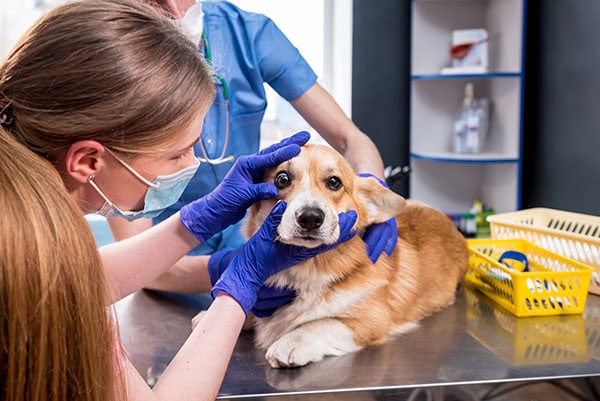
4 musculoskeletal autoimmune disorders
Some conditions where the immune system attacks components of the musculoskeletal system include:
11. Immune-mediated polyarthritis (IMPA)
In immune-mediated polyarthritis (IMPA in dogs) the immune system attacks multiple joints, causing pain and inflammation. Signs include limping, a stiff gait, and joint swelling. Often, affected dogs have shifting leg lameness, meaning they may be limping on one leg one day, and a different leg another day.
With prompt diagnosis and treatment with immunosuppressant medications, prognosis for dogs with IMPA is good overall, but some dogs may require life-long medication.
12. Masticatory Muscle Myositis (MMM)
Masticatory Muscle Myositis in dogs is a focal autoimmune disorder that affects the masticatory (chewing) muscles of the jaw, specifically the 2M fibers, which are unique to these facial muscles. Dogs with MMM have difficulty opening their mouth and may have painful swollen muscles around the jaw and top of the head.
When caught quickly MMM may respond well to immunosuppressive therapy, but dogs with chronic MMM may continue to have trouble opening their mouths due to scar tissue formation.
13. Myasthenia gravis (MG)
Myasthenia gravis in dogs is an autoimmune condition that occurs when the immune system targets the receptors on skeletal muscle fibers that the nervous system uses to initiate movement. Having fewer receptors available to receive the “movement signal” results in generalized muscle weakness in the limbs of dogs with MG.
Additionally, megaesophagus in dogs (a dilated, poorly functioning esophagus) may also occur with myasthenia gravis. Affected dogs may regurgitate food or water and are prone to developing aspiration pneumonia. While myasthenia gravis can be successfully managed in some cases, complications like aspiration pneumonia may lead to death or euthanasia.
14. Polymyositis
Polymyositis is an uncommon autoimmune disorder of the musculoskeletal system where the immune system attacks multiple skeletal muscles in the body. Depending on which muscles are damaged, signs may include weakness, lameness, changes in the sound of the bark, swollen or atrophied muscles, excessive drooling in dogs, and regurgitation.
Prognosis can be good with prompt treatment with immunosuppressive medications, but relapses are possible.
6 Autoimmune skin disorders
There are a variety of autoimmune skin diseases in dogs, including:
15. Alopecia areata (AA)
Alopecia areata (AA) is an autoimmune skin disorder that affects the hair follicles, causing patchy hair loss of the head, neck, or legs. Unlike many other autoimmune skin disorders, alopecia areata is nonpainful. In many dogs, hair regrowth occurs spontaneously after 6-12 months, and the new hair is often unpigmented.
16. Bullous pemphigoid
A rare condition in dogs, bullous pemphigoid is an autoimmune skin disorder that causes fluid-filled blisters or ulcerations on the skin. Areas commonly affected include the muzzle, armpits, groin, genitals, toenails, and paw pads. Dogs with bullous pemphigoid should avoid prolonged exposure to intense UV light.
17. Discoid lupus erythematosus (DLE)
Discoid lupus erythematosus (DLE in dogs) is a focal autoimmune skin disorder that attacks the skin of the nose and surrounding area. It most commonly causes loss of the pigmentation and cobblestone texture of the nose, plus crusting and ulceration around the nose and muzzle. Later on in the disease, the ears or area around the eyes may also be affected.
Dogs with DLE generally respond well to immunosuppressive therapy, but may need long-term treatment.
18. Pemphigus complex
Within pemphigus complex, there are five distinct subtypes.
- Pemphigus erythematosus (PE): A mild form of pemphigus, PE usually affects only the ears, nose, and face.
- Pemphigus foliaceus (PF): This is the most common autoimmune disease in dogs responsible for causing skin lesions. PF symptoms typically start around the face but progress to the trunk, feet, and groin.
- Pemphigus vegetans: Affected dogs develop nonpainful warts around the head, neck, and mucocutaneous junctions of the eyes and mouth. This form of pemphigus is rare.
- Pemphigus vulgaris (PV): The most severe form of pemphigus, PV affects the entire body, causing deep tissue damage and leaving dogs susceptible to secondary bacterial skin infections.
- Paraneoplastic pemphigus: Another extremely rare form of pemphigus which develops secondary to the presence of cancer (often hemangiosarcoma in dogs, lymphoma in dogs, or a thymoma).
Sadly, pemphigus foliaceus, pemphigus vulgaris, and paraneoplastic pemphigus have a poor to guarded prognosis due to severe clinical signs and/or potential for poor response to treatment. However, the prognosis is better for the vegetans and erythematosus forms of pemphigus.
19. Symmetric lupoid onychodystrophy (SLO)
Symmetric lupoid onychodystrophy (SLO in dogs) is a painful disorder that only affects a dog’s toenails and nail beds. Dogs’ nails first become brittle, then begin to crack and peel. Over time, the damaged nails detach from the nail bed and slough off, leaving the sensitive nail bed tissue exposed.
Dogs with SLO do tend to respond well to treatment, which usually includes oral tetracycline and Vitamins D3 and E. Unlike may other autoimmune skin diseases, treatment of SLO usually does not require steroids.
Note: There is some debate about whether SLO is truly an autoimmune disease. However, it is included here for completeness and because it may be triggered by some immune-mediated conditions like autoimmune thyroiditis.
20. Uveodermatologic syndrome (UDS)
Uveodermatologic syndrome is an autoimmune condition where the immune system attacks melanocytes (pigment cells) of the eyes and skin. Generally, symptoms involving the eyes show up first and include eye pain, inflammation, and loss of vision. Dogs will also exhibit skin symptoms such as hair loss and depigmentation of fur and skin around the mouth, nose, eyes, and genitals.
Some dogs do well with prompt treatment, but more severely-affected dogs may have a poor prognosis.
4 Miscellaneous disorders
Some autoimmune diseases either don’t fit into the categories above or affect more than one organ system. Let’s take a look at each one.
21. Systemic lupus erythematosus (SLE)
Systemic lupus erythematosus (SLE in dogs) is a severe systemic autoimmune disorder that attacks multiple tissues in the body. First, the immune system typically attacks the skin, leading to blisters, redness, hair loss, and changes in pigmentation.
Then the immune system moves on to the rest of the body (nervous system, blood cells, joints, and multiple internal organs). In addition to non-specific symptoms like fever or lethargy, dogs may experience decreased red blood cells, white blood cells, and platelets, muscle and joint pain, seizures or cognitive decline, kidney dysfunction, and inflammation of the heart or lungs.
Sadly, because of the number of organs systems SLE may affect, the prognosis tends to be poor.
22. Granulomatous meningoencephalomyelitis (GME)
Granulomatous meningoencephalomyelitis (GME in dogs) is a poorly understood inflammatory condition of the tissue of the brain, spinal cord, and meninges (covering of the brain and spinal cord), which researchers believe may result from the immune system targeting those tissues.
Affected dogs show a range of symptoms including blindness, ataxia (dog is wobbly and off balance), changes in mental status, the dog walking in circles, or seizures.
Left untreated, GME is generally fatal, and the prognosis with treatment can be quite variable.
23. Immune-mediated glomerulonephritis
In immune-mediated glomerulonephritis, immune complexes (an antibody attached to its target) get stuck in the glomeruli, which are tiny blood vessels in the kidneys that filter the blood to produce urine. This results in damage to the glomeruli and symptoms such as protein loss in the urine.
Unfortunately, despite early diagnosis and treatment, immune-mediated glomerulonephritis may progress to chronic kidney failure in dogs.
24. Inflammatory bowel disease (IBD)
Inflammatory bowel disease (IBD in dogs) is a chronic inflammatory gastrointestinal condition that may occur in part due to immune system dysregulation. Dogs with IBD generally exhibit inflammation and an accumulation of immune system cells in the walls of the intestines or stomach. Signs can include chronic vomiting and/or diarrhea, weight loss, poor hair coat, decreased energy, increased gas, and abdominal pain.
With diet change and/or immunosuppressive therapy, dogs with IBD can potentially do well. However, treatment is often life-long and relapses may occur.
FAQ: Autoimmune diseases in dogs
Take it one step at a time
It can be scary to find out that your dog has an autoimmune disease that may require ongoing treatment and careful monitoring. If this is the situation you find yourself in now, pause, take a deep breath, and remind yourself to take it one step at a time. You don’t need to have the future figured out, you just need to know what to do today to help your dog.
Along the way, lean on your vet’s expertise. Ask questions during the appointments and keep him or her updated on how your dog is doing. Together, you can tackle whatever the diagnosis of an autoimmune disease may bring.
Was your dog diagnosed with an autoimmune disease?
Please share his or her story below.

