If you notice your dog swallowing a lot, there are a variety of different explanations from nausea to toxins, and everything in between. Integrative veterinarian Dr. Julie Buzby discusses 11 reasons for a dog licking his or her lips and swallowing to help dog parents know what might be going on with their dog and when to seek veterinary attention.
As both a veterinarian and a dog parent, I know firsthand how easy it is to notice something small with your dog and wonder, “Is that normal? Or could it be a sign of a dog health issue?”
One behavior that can raise eyebrows is a dog swallowing a lot. While it’s easy to brush off, repeated swallowing can be a clue that something’s off with your dog.
What does a dog swallowing a lot look like?
Normally, you probably aren’t aware of your dog swallowing. You don’t see or hear the swallowing, and as far as you know, it is happening at “normal” intervals. However, sometimes your dog’s swallowing may catch your attention because it becomes more prominent, more frequent, or both.
If a dog is excessively swallowing, you may notice he or she seems to swallow more often in general or has bouts of back-to-back swallowing. You may also hear a gulp or hiccup when the dog swallows. Or the dog might be making an exaggerated swallowing motion by throwing his or her head.
In addition to the abnormal swallowing, affected dogs may start licking their lips more frequently, panting, pawing at the mouth or head, shaking their head, or not eating or drinking as much as usual.
11 causes of a dog swallowing a lot
These symptoms may be subtle and may not seem overly concerning at first. However, they could be the first sign of an underlying health problem. Below are 11 reasons for excessive licking and swallowing in dogs.
1. Nausea
Nausea is one of the most common reasons for a dog licking and swallowing repeatedly. Just like when we feel nauseous, your dog’s mouth can feel dry or tacky. Nauseous dogs may lick their lips, salivate more, or swallow harder. Your dog may also eat grass or have a decreased appetite if he or she is nauseous.
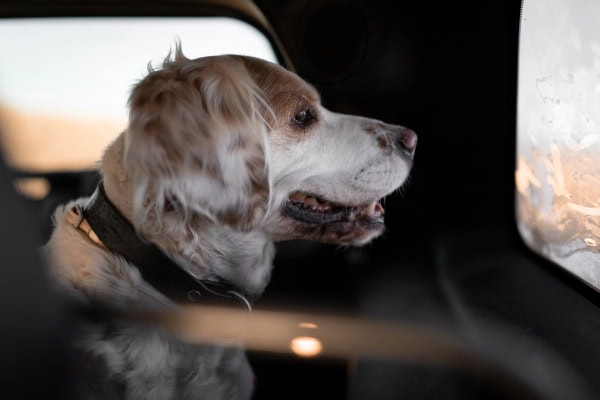
Sometimes your dog will progress to being lethargic, acting as if his or her belly hurts, or having gastrointestinal issues like vomiting or diarrhea. If your dog seems nauseous, or you see any of these other signs, it is important to make an appointment with your veterinarian. There are many reasons a dog may be nauseous, and some are more serious than others.
Note: Any time your dog is vomiting or having diarrhea, ensure he or she has access to clean, fresh water. This is important to help prevent your dog from becoming dehydrated.
2. Dental disease
Another common reason for dogs to lick their lips and swallow a lot is dental issues such as dog tooth abscesses, fractured teeth, older dog losing teeth, and periodontal disease. Dogs with various types of dental disease often experience oral pain, inflammation, and increased saliva production. Therefore, the dog may keep swallowing in an attempt to remove the extra saliva. And he or she might be licking or smacking the lips together due to pain and abnormal sensations in the mouth.
Affected dogs may also have difficulty eating or may favor one side of their mouth when chewing. These can be subtle signs of discomfort that go along with the excessive swallowing. Other signs of dental problems include bad breath in dogs, bleeding or red gums in dogs, or visible tartar buildup.
Dental disease in dogs is not only painful, but it can also lead to other health issues like weight loss or heart disease. Thus, if you suspect your dog has a dental problem, promptly make an appointment with your vet.
3. Foreign object in the mouth or throat
A foreign object (like a bone, stick, toy, rawhide, or foxtail in dogs) that is lodged in a dog’s mouth or throat can cause discomfort, pain, and irritation. As a result, your dog might start gagging, drooling, pawing at the mouth, or repeatedly swallowing. He or she may also lick the lips or nose as a sign of discomfort and stress. And if your dog is struggling to swallow around the lodged object, you may hear a gulping noise with each swallow.
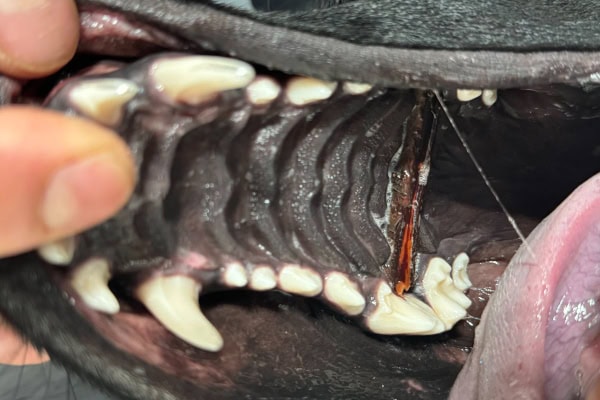
Sometimes the object stuck in the back of the mouth or throat can also make it hard for your dog to breathe. If your dog is visibly struggling (breathing hard, gasping, turning blue, collapsing, or not breathing), this is an emergency. Immediately call your veterinarian and start heading to the ER or animal hospital. In some cases, the vet may walk you through the steps for helping a choking dog if they think that is best. But generally, the sooner you can make an emergency vet visit, the better.
If your dog is breathing normally but still can’t stop swallowing frequently and gulping, you should have him or her examined by a veterinarian as well. Objects lodged in the throat can cause irritation to the esophagus (esophagitis in dogs) or even tear the delicate tissue inside the mouth and throat. This can lead to worse injuries like an esophageal perforation (hole) or stricture (narrowing). Plus, a foreign body wedged between the upper teeth can damage the teeth and palate.
4. Gastroesophageal reflux disease
Gastroesophageal reflux disease (GERD), the term for repeated bouts of acid reflux in dogs, can also cause a dog to swallow a lot.
Normally, the lower esophageal sphincter keeps stomach acid from flowing back up the esophagus. But, if it’s weak or something is affecting its normal function, the acid can leak from the stomach to the lower part of the esophagus.
Stomach acid is very irritating to the esophagus and causes a painful burning sensation. Your dog’s body will naturally produce more saliva to combat the stomach acid. This can lead to excessive swallowing. Plus, dogs with acid reflux may have other symptoms such as:
- Licking his or her lips, the carpet, his or her legs, or other objects
- Panting from pain or discomfort
- Pacing or restlessness at night
- Decreased appetite
- Weight loss
GERD may be worse at night because stomach acid is more likely to move up the esophagus when your dog is lying down. So if your dog is swallowing and gulping at night in particular, acid reflux could be the culprit.
If you’ve ever had acid reflux before, you know it can be extremely painful. Thus, don’t delay in scheduling an appointment with your vet if your dog has symptoms that are consistent with GERD.
5. Toxins or irritants
If your dog was previously acting normal, but is suddenly drooling and swallowing a lot, it could mean he or she was exposed to something irritating and/or toxic.
While toxic substances can have varied effects, some can cause immediate irritation to the mouth, throat, or gastrointestinal tract. This may trigger nausea, pain, pawing at the mouth, licking the lips, drooling, and repeated swallowing. Other toxins may interfere with the nervous system, leading to excessive salivation, urination, tremors, diarrhea, and vomiting. Finally, dogs who ingest a toxin that leads to GI upset or causes liver failure in dogs or kidney failure in dogs may be nauseous and therefore swallow a lot and drool excessively.
Some of the substances or situations most likely to cause a dog to start swallowing a lot are:
- Caustic household cleaning products like bleach or detergents
- English Ivy, Autumn Crocus, Daffodil bulbs, or other plants that are dangerous to dogs
- Pesticides, snail bait, or rodenticides
- Chocolate toxicity in dogs or grape and raisin toxicity in dogs
- Electrocution or burns in the mouth from chewing on electrical cords

Many toxins act quickly. Thus, you should consider any sudden onset of drooling and swallowing without an obvious cause as a potential emergency. If you suspect your dog may have ingested something harmful, contact your veterinarian or a pet poison control center immediately.
6. Stress and anxiety
Dogs with separation anxiety, generalized anxiety, noise phobia, obsessive compulsive disorder (OCD), or anxiety related to canine cognitive dysfunction (CCD or doggy dementia) can sometimes also start swallowing more than usual.
When a dog is stressed, their body temperature naturally rises. Panting and licking are the built-in ways for dogs to compensate and lower their body temperature. But this also produces extra saliva and therefore causes increased swallowing.
Additionally, you might notice your dog licking the air, drooling, panting, pacing, or vocalizing if he or she is anxious. Plus, there are many signs of dementia in dogs beyond those associated with anxiety.
If you are worried your dog is anxious, please make an appointment with your vet. There are many different medications, supplements, tools, and training exercises that can help regulate your dog’s anxiety.
7. Upper respiratory issues
If your dog is swallowing a lot—especially if he or she is also sneezing, having nasal discharge, or breathing noisily—upper respiratory issues could be to blame. Just like in people, dogs can develop post-nasal drip when mucus from the nose or sinuses drains into the back of the throat. This can be irritating and cause your dog to lick his or her lips, swallow repeatedly, or even gag.
Sometimes the culprit is a viral or bacterial infection like kennel cough (colds in dogs). Plus, while they more commonly cause skin issues, seasonal allergies in dogs can be responsible for respiratory symptoms, too. Dogs can also have abnormal objects in their nose, such as foreign bodies or nasal tumors in dogs.
All of these respiratory problems can cause repeated swallowing, congestion, sneezing, reverse sneezing in dogs, or discharge from one or both nostrils. In some cases, dogs may also lick their lips, paw at their face, or seem generally uncomfortable.
Some mild upper respiratory infections can resolve on their own. But persistent or worsening symptoms should be evaluated by your veterinarian.
8. Megaesophagus
Megaesophagus in dogs is a condition where the esophagus—the muscular tube in the throat that carries food from the mouth to the stomach—becomes dilated (enlarged) and loose. The esophagus cannot contract properly and therefore can’t move food efficiently into the stomach.
Instead, the food sits in the esophagus, causing irritation and discomfort. This can lead to regurgitation, gagging, and frequent swallowing. (Regurgitation is often mistaken for vomiting. However, it is a “passive” action where the food comes up automatically and without warning signs like retching.)
Dogs with megaesophagus may also drool excessively, lose weight, or develop aspiration pneumonia in dogs from inhaling regurgitated food or saliva. You might notice your dog stretching his or her neck out further during or after eating in an attempt to move the food through the esophagus. Affected dogs may also make wet burping or gulping sounds. And they can appear restless and uncomfortable during or after meals.
If your dog is experiencing increased swallowing (especially during or after eating) and you see other symptoms like regurgitation, it’s time to talk to your veterinarian about the possibility of your dog having megaesophagus.
9. Salivary gland disorders
Trauma, inflammation, infection, or blockage of the salivary glands can all lead to drooling, discomfort, and frequent swallowing. One common problem is a sialocele (salivary mucocele in dogs). This is a pocket of saliva that collects in the tissue surrounding a salivary gland. It often looks like a soft, swollen bump near a dog’s jaw or under the tongue.
Depending on the location and size of the problematic salivary gland, it could make swallowing difficult for your dog. This inability to swallow completely can cause your dog to swallow repeatedly. Additionally, you may notice your dog having trouble eating or pawing at the mouth.
If you see these signs and suspect your dog has a salivary gland disorder, it’s best to have your dog examined by a vet.
10. Laryngeal paralysis
Laryngeal paralysis in dogs (lar par) is a condition where the muscles that control the opening of the larynx (voice box) don’t function properly. When this happens, the trachea (windpipe) is partially blocked, making it hard for your dog to breathe.

So how does this relate to swallowing? Dogs with laryngeal paralysis often have throat discomfort, mild aspiration of saliva or food, or irritation of the surrounding tissue. This can lead to frequent swallowing and even gagging or coughing. You may also notice a hoarse or raspy bark (the most common symptom associated with lar par), louder breathing (especially when panting), or signs of exercise and/or heat intolerance.
Because laryngeal paralysis directly impacts a dog’s ability to breathe, it is important that you let your dog’s veterinarian know if you are seeing any of these symptoms. Early diagnosis and management with doxepin and other non-surgical approaches, like avoiding strenuous exercise and using harnesses instead of collars, can be helpful for many dogs. But some dogs ultimately need tie back surgery for dogs.
11. Neurological conditions
Although less common, neurological issues in dogs can also cause them to keep swallowing. Many nerves are involved in the process of making saliva, swallowing, and then moving saliva (and other contents) through the digestive tract.
If something disrupts this system, dogs may experience increased drooling and, therefore, increased attempts to swallow. Some possible neurological disorders that may cause your dog to swallow a lot include:
- Cranial nerve dysfunction
- Brain tumors in dogs
- Seizures in dogs
- Degenerative diseases
With most neurological problems, you will notice multiple symptoms in addition to the increased drooling and swallowing. Signs will vary depending on the condition your dog has developed. Possible additional symptoms include head tilt, weakness, abnormal eye movements, paralysis, droopy lip or eyelid, or changes in behavior.
If you are concerned your dog may have a neurological problem, seek veterinary attention promptly. It is essential to identify these issues early for the best chance at managing them.
Partner with your vet
As you have learned, while swallowing repeatedly may seem like a minor symptom, you should not ignore it, especially if your dog develops other symptoms. Paying close attention to your dog’s behavior and appearance, and knowing what is normal for him or her, can help you catch potential problems early.
When in doubt, err on the side of caution and contact your veterinarian. No one knows your dog better than you, so if you feel like something is off, trust your instincts and take your dog to the vet. With some help from your vet, your dog will hopefully be swallowing normally again soon.
Why was your dog swallowing a lot?
Please comment below.