Are you frantically searching for answers to “Why is my dog peeing so much?” after what feels like the millionth trip outside today? If so, integrative veterinarian Dr. Julie Buzby is here to help. She explains how to know if your dog is peeing too much, the causes of increased urine production (polyuria) and frequent small volume urinations (pollakiuria), and how the vet will diagnose and treat excessive urination in dogs.
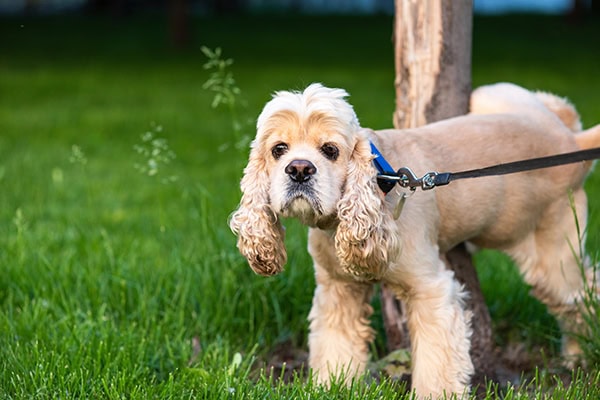
It can be easy to slip into the habit of not paying a lot of attention to how often your dog urinates each day. After all, taking our dogs for regular walks or letting them in and out of the house for potty breaks quickly becomes part of the daily routine.
However, when letting your dog in and out becomes in and out and in and out and in and out…that’s bound to catch your attention, and for good reason. Your dog peeing a lot is a cry for help. Often, this change in urination is due to an underlying health issue that requires veterinary care.
How much peeing is too much?
Generally speaking, excessive urination is a consistent increase in urine volume and/or number of urinations in a day compared to what is normal for that dog. Or, more strictly speaking, it is a urination volume and/or frequency that exceeds the normal values set out in veterinary literature. While those numbers do have value as a starting point, dogs are individuals. Thus, what is normal for one, may not be normal for another.
What is a normal number of “pee trips” per day?
While there is dog to dog variation, the number of times a dog typically urinates in a day is partially determined by his or her age.
Puppies usually urinate every one to two hours during the course of a day. They have smaller bladders, making them less able to hold their urine for long periods of time. That’s why a puppy peeing in the house shouldn’t necessarily raise an alarm. This is especially true for newly adopted pups in the midst of housetraining.
By contrast, adult dogs normally urinate between three and five times per day, voiding larger amounts at a time. Some adult dogs who are enthusiastic about marking their territory may also urinate several times in one walk. But this is typically a few dribbles or a spatter of urine—just enough to let other dogs know they were there.
Older dogs often need to urinate more frequently. This may be due to underlying medical conditions or a gradual loss of bladder muscle strength. Some senior dogs may also forget their potty training if they are developing symptoms of canine cognitive dysfunction (CCD).
How much urine does a dog typically void in a day?
Considering this age-based range of normal, a healthy adult dog should produce 20-40 milliliters (mL) of urine per kilogram (kg) of body weight per day as a general rule. So, a 25kg (55 pound) dog may void anywhere from 500 to 1000 milliliters (or roughly 2 to 4 cups) of urine each day. However, again, there is going to be some variation from one dog to another.
Polyuria vs pollakiuria: Which type of “peeing too much” is your dog experiencing?
To a dog parent, both a dog who is producing unusually large amounts of urine (polyuria) and one who needs to urinate frequently but passes only a small amount each time (pollakiuria) may look like they are “peeing all the time.” However, the underlying causes can be very different. Thus, it is important for dog parents to be able to distinguish between the two.
Polyuria
With polyuria (PU), the dog produces excessively large amounts of urine. This may lead to the dog posturing to urinate for longer, making larger puddles of urine, or needing to go outside to urinate more frequently. Sometimes they may also experience overflow incontinence. This is where the bladder is so full that some of the urine involuntarily leaks out.
Dogs may develop polyuria if the kidneys are unable to concentrate urine normally. Or it may happen when larger than normal amounts of water end up in the urine.
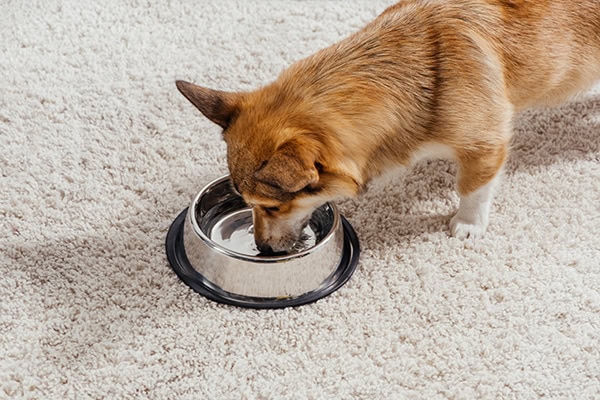
Because a dog with polyuria is losing more water in the urine, he or she will also start drinking more water to compensate for those losses. Vets tend to use the term PU/PD to describe these dogs who are both peeing a lot (polyuria) and drinking a lot (polydipsia).
Pollakiuria
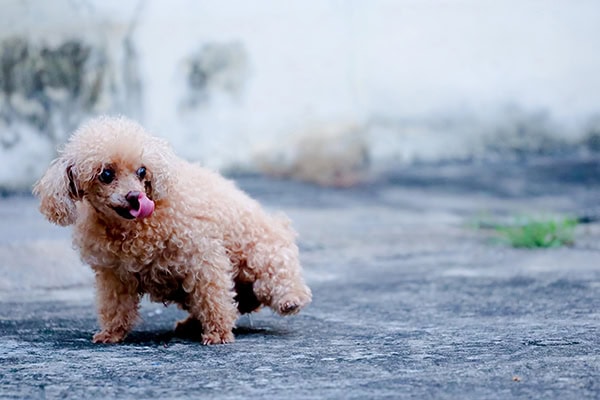
By contrast, pollakiuria is frequent urination in small amounts. And it is usually indicative of a lower urinary tract issue involving the urethra and/or bladder. You may notice your dog squatting multiple times while outside, wanting to go outside frequently and urgently, or straining when urinating. Some dogs with pollakiuria may also have accidents in the home. If they do, you may see some blood in the urine.
Frequent voiding of small amounts of urine is certainly cause for concern. But if it becomes a complete inability to urinate, this is a veterinary emergency.
What causes a dog to pee larger volumes (polyuria)?
There are many reasons your dog may suddenly start producing larger amounts of urine. Sometimes the problem begins in the urinary tract itself. In other cases, increased urination develops due to an issue elsewhere in the body.
Kidney-based causes of increased urine production
Sometimes the problem lies within the kidneys:
- Kidney disease: When the kidneys start to fail, they decrease in their ability to concentrate urine and hold onto water. As a result, dogs with kidney diseases may pass larger amounts of more dilute urine. And they will drink more water to make up for the extra fluid they’re losing. As toxins build up due to poor kidney function, the dog may also start vomiting or stop eating.
- Fanconi syndrome: Due to problems with the proximal tubules in the kidneys, substances that would normally be reclaimed, including glucose, pass into the urine, bringing water along with it. Unlike diabetes mellitus, where glucose spills over into the urine due to an elevated blood glucose, dogs with Fanconi syndrome have a normal blood glucose level.
- Renal tumors: Renal carcinoma, adenocarcinoma, nephroblastoma, or other tumors may affect normal kidney function. This leads to increased thirst and urination.
- Post-obstructive diuresis: If a stone blocks the outflow of urine, some dogs may produce more urine than usual for a short time after the blockage is cleared.
Liver disease
Certain forms of liver disease in dogs, including chronic hepatitis in dogs and portosystemic shunts, can interfere with the kidneys’ ability to concentrate urine. Additional signs of liver problems include vomiting, yellowish tinge to eyes and gums (icterus), abnormal bleeding, confusion or seizures, and lethargy.
Pyometra
Pyometra in dogs, a potentially life-threatening uterine infection in intact female dogs, can also cause increased thirst and urination. This occurs due to a decreased ability to concentrate the urine. Other signs may include lethargy, loss of appetite, vomiting, diarrhea, fever, and vaginal discharge. However, some dogs with a pyometra may have no visible discharge.
Hormonal and metabolic diseases
Several diseases that affect a dog’s hormones or metabolism can cause him or her to drink and urinate more:
- Diabetes mellitus: Diabetes mellitus in dogs causes glucose to build up in the bloodstream because the dog doesn’t produce enough insulin to drive glucose into cells. Once the blood glucose becomes high enough, glucose spills into the urine and pulls water along with it. This leads to increased urine production and, in turn, increased thirst. Plus, diabetic dogs may be losing weight and not feeling well.
- Diabetes insipidus: The other, much less common form of diabetes, is diabetes insipidus in dogs. It is caused by issues producing, releasing, or responding to antidiuretic hormone (ADH), a substance which helps the body conserve water. With central diabetes insipidus (CDI), the body does not produce or release enough ADH. This may be congenital or occur as a result of trauma, tumors, infection, or other damage involving the pituitary gland or hypothalamus of the brain. In nephrogenic diabetes insipidus (NDI), by contrast, the kidneys do not respond appropriately to normal circulating levels of ADH. This causes water losses in the urine despite the appropriate hormones being present.
- Cushing’s disease (hyperadrenocorticism): Increased cortisol levels in the body due to Cushing’s disease in dogs interfere with the kidneys’ normal response to ADH. This leads to increased urination and thirst. Dogs may also be very hungry (polyphagia), pant more often, and have thin skin and a pot bellied dog appearance.
- Addison’s disease (hypoadrenocorticism): Due to a decrease in aldosterone, a hormone that retains sodium and excretes potassium, dogs with Addison’s disease may have low sodium levels. This makes it difficult for the kidneys to concentrate urine. In addition to polyuria and polydipsia, which occur in about 20% of cases, dogs can have a wide range of non-specific signs.
Electrolyte abnormalities
Electrolyte abnormalities, particularly high calcium levels (hypercalcemia in dogs) or low potassium levels (hypokalemia), may lead to excessive drinking and urination. One important cause of hypercalcemia is certain cancers, including lymphoma in dogs and anal sac adenocarcinoma.
Infections
Leptospirosis in dogs damages the kidneys and renal tubules, leading to changes in urine output. Depending on the severity and stage of kidney injury, affected dogs may produce unusually large amounts of urine. Or in severe cases, they may make very little to no urine.
Medication side effects
Certain medications are known to cause increases in water intake and urine output. These include steroids (prednisone for dogs), diuretics (furosemide), and some anti-seizure medications (phenobarbital). If you notice increased thirst or urination after your dog starts a new medication or the dosage changes, let your veterinarian know. However, don’t discontinue a prescription medication without talking with your veterinary team first.
Behavioral and environmental causes
Not every change in urination is caused by disease. Anxiety, stress, excitement, pain, or changes in routine may cause some dogs to urinate more frequently, too.
Rarely, dogs (especially puppies) may develop psychogenic polydipsia. This is a behavioral condition in which excessive water drinking leads to increased urine production. Dogs with this disorder often increase their water intake due to boredom or compulsive behaviors.
Hot weather and increased activity can also cause your dog to drink more water and subsequently urinate more. A dog who is playing in a sprinkler or swimming and drinks a lot of water may also temporarily produce more urine to get rid of the excess water. And consuming unusually large amounts of salt, whether through the diet or accidentally, will increase thirst and urination, too.
What causes frequent small volume urinations (pollakiuria)?
A different set of problems, most of which center around the bladder and urethra, are responsible for pollakiuria. They include:
- Urinary tract infections (UTIs): UTIs in dogs lead to an irritated bladder wall, creating a frequent or urgent need to urinate. Dogs may ask to go outside and squat repeatedly but only void small amounts of urine at a time. The urine may be bloody, smelly, or cloudy.
- Bladder stones: Bladder stones in dogs can also irritate the bladder wall. This makes dogs feel like they need to pee more often. Affected dogs may also strain to urinate, seem uncomfortable when they urinate, or have blood in their urine.
- Urethral obstructions: Sometimes bladder stones may get stuck in the urethra leading to a partial obstruction. Or an enlarged prostate in dogs may compress the urethra, which runs through it. In both situations, the dog may be straining and passing small amounts of urine. If the dog is unable to urinate, this is an emergency.
- Certain cancers: Bladder cancer in dogs (transitional cell carcinoma), prostate cancer in male dogs, or other masses affecting the urinary system may cause frequent small volume urination and straining.
- Trauma to the urinary tract: Anything that irritates, damages, or scars the urinary tract could potentially make a dog feel like he or she needs to urinate frequently.
What about urinary incontinence?
Sometimes when someone says their dog is peeing a lot, they don’t mean producing more urine or wanting to go outside every few minutes. Instead, the problem is actually that the dog is losing bladder control and leaking urine. This falls under the category of urinary incontinence in dogs, the involuntary release of urine from the bladder.
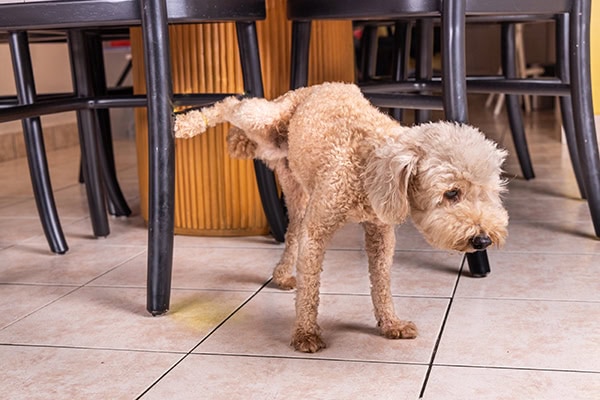
One common example is urethral sphincter mechanism incompetence, which occurs most often in spayed female dogs. Reduced urethral sphincter strength leads to the female dog leaking urine while resting or sleeping. Dog parents may notice a wet spot where their dog was lying or some dribbles of urine on the floor.
Additionally, puppies may leak urine and be hard to housetrain because of a congenital condition called ectopic ureters. In it, one or both ureters deposit urine from the kidneys into the urethra or vagina rather than directly into the urinary bladder. Since the urethra and vagina aren’t designed to store urine, it just leaks out.
What other symptoms might my dog show?
Excessive urination in dogs is not a diagnosis in and of itself, but rather a symptom of another problem. Because of the many different reasons a dog might be peeing too much or too often, it isn’t possible to list all potential symptoms here. However, some other changes to keep any eye out for include:
- Drinking more water than usual (polydipsia): Dogs experiencing an increase in urine output are often constantly going to their water bowls. Or they may start seeking out water from unusual places like the toilet, pool, puddles, streams, or other sources.
- Accidents in the house in a previously potty-trained dog.
- The need for more frequent bathroom breaks on walks (aside from marking behavior).
- Painful urination (dysuria): The dog may whine or cry during urination or have a tense or painful facial expression.
- Blood in the urine (hematuria): It can be hard to see blood in the grass. But you might notice a pink tinge to the snow after your dog urinates. Or there might be some blood on the paper towel when cleaning up an accident.
- Vomiting, being a lethargic dog, loss of appetite, weight loss, and other non-specific signs.
- Licking the genital area excessively post-urination: This may be due to pain during or after urination.
When should I take my dog to the vet?
A change in how much and/or how often your dog urinates is usually worth discussing with your veterinarian. This is especially true if the change is persistent or accompanied by increased thirst, accidents in the house, straining, bloody urine, appetite changes, vomiting, weight loss, lethargy, or other unusual symptoms.
Most of the time this entails scheduling an appointment with your family vet. However, remember, an inability to urinate or a dog who is barely getting any urine out requires an immediate emergency vet visit. Urinary obstructions can be life-threatening if not addressed promptly.
How will the vet determine why my dog is peeing so much?
If your dog is peeing too much, the first step is scheduling an appointment with your veterinarian. He or she will collect a thorough history on your dog, including when his or her symptoms started and any other changes you are seeing at home.
Plus, the vet may ask about supplements, medications, treats and foods your dog is currently receiving. It can also be helpful for the vet to have a list of your dog’s current medical problems.
Next, the vet will conduct a thorough examination on your dog to look for physical changes. This includes checking for signs of dehydration in dogs, assessing the dog’s skin and hair coat, listening to the heart and lungs, taking your dog’s vital signs, and palpating the abdomen. Plus, in some cases the vet may perform a rectal exam to assess the prostate and other structures.
Once the history and physical exam are complete, the vet will move on to diagnostic tests, including:
Urinalysis
Collecting a urine sample is one of the most important steps in the diagnostic process for dogs with changes in urination. A urinalysis provides a lot of information, including assessing for the presence of:
- Bacteria
- Parasite eggs
- Red blood cells
- White blood cells
- Crystals
- Glucose
- Ketones
- Protein
- Certain types of cancer cells
The color and odor of the urine sample are also valuable diagnostic observations. Normal urine should be light yellow to amber, with no cloudiness or visible debris like crystals, mucus, or blood clots. And it should have no strong, sweet, fruity, or other unusual odor.
Urine culture and sensitivity
If the vet sees signs of a UTI or wants to rule one out, he or she may submit a urine culture and sensitivity test to the veterinary diagnostic laboratory. This test identifies certain bacterial strains and helps determine which antibiotics will be effective in treating the infection.
Pathologist review of a urine sample
The vet may recommend having a veterinary pathologist examine the urine sample to look for abnormal cells if he or she is worried about bladder cancer.
Urine specific gravity
It is also important to evaluate the concentration (specific gravity or SG) of the urine compared to water, which has a specific gravity of 1.000. This measurement helps the vet know if the kidneys are concentrating or diluting the urine appropriately based on the situation at hand.
Generally speaking:
- SG > 1.030 means the kidneys appear to have good concentrating ability and makes PU/PD less likely.
- SG 1.013-1.029 may be normal for some situations but can also point to PU/PD.
- SG 1.008 – 1.012 (isosthenuria) indicates urine that has been neither diluted nor concentrated by the kidneys. This is abnormal and may be an indicator of poor kidney function.
- SG <1.008 (hyposthenuria) means the kidneys actively diluted the urine, as can occur in diabetes insipidus and many other conditions.
The specific gravity can vary based on time of day, the dog’s activity level and hydration status, etc. Thus, the vet will take the results of other tests and the dog’s history and exam findings into account when interpreting the SG number.
Blood tests
The vet may recommend starting with blood tests for dogs such as a CBC and chemistry profile. These baseline tests help your vet identify other systemic diseases like diabetes mellitus, kidney disease, liver disorders, certain types of cancer, etc. From there, the vet may also recommend more specialized tests such as an ACTH stimulation test for Cushing’s disease.
Imaging
Imaging, such as X-rays and/or abdominal ultrasound are also valuable diagnostics. They allow the vet to evaluate the bladder and kidney size and appearance, detect masses, and visualize certain types of bladder or urethral stones.
Additional testing
Sometimes additional specialized testing may be necessary to identify the underlying cause for excessive urination. This tends to be the case when other baseline tests are inconclusive and/or have ruled out the most common diagnoses.
For example, a water deprivation test is useful for differentiating between the different types of diabetes insipidus and psychogenic polydipsia. However, it should only be performed under the supervision of a vet.
Do NOT restrict your dog’s water intake at home unless specifically directed to do so by a vet. Limiting access to water in dogs who already have kidney disease or are dehydrated could lead to life-threatening kidney failure. And it can be dangerous in other situations, too.
What is the treatment for excessive urination in dogs?
Once the veterinarian discovers the cause for your dog’s frequent or large volume urinations, he or she will work with you to create a treatment plan. This can range from antibiotics for a UTI or surgery for bladder stones or pyometra to ongoing management of a chronic condition like kidney disease, diabetes mellitus or insipidus, Addison’s disease, or Cushing’s disease. Sometime you get lucky and treatment is even as simple as not feeding your dog salty treats anymore.
Generally, the best way to understand what treatment will entail is to consult your veterinarian and read up on your dog’s condition.
Are there home treatments?
It is important to understand that most of the causes of excessive urination need veterinary treatment, not at-home treatments. You can certainly support your dog by providing access to fresh clean water and as many potty trips as he or she needs. But ultimately, the solution usually comes via a veterinary visit.
Do not restrict your dog’s water intake
It’s been said before, but this is critical. Do NOT restrict your dog’s access to water unless instructed to do so by your vet. It can be challenging to have to take your dog out frequently or clean up accidents. But stopping your dog from drinking water is not the solution. He or she may need that amount of water to make up for the losses via the urine. Restricting water in that situation can be dangerous.
What is the outlook for a dog who is peeing too much?
Whatever the treatment ends up being, managing the underlying cause of the polyuria or pollakiuria should, hopefully, bring your dog’s urinations back to the normal range (or at least closer to normal). This depends a bit, though, on whether it is a problem that is likely to resolve with treatment such as UTI or one that can only be managed, such as kidney disease.
Looking beyond the immediate issue of urination frequency or volume, the different conditions also carry varied prognoses, overall. Chronic progressive conditions or cancer are going to have a worse long term outlook than something that is easily treatable and resolves completely.
Once your veterinarian identifies the underlying cause for your dog’s excessive urination, he or she can give you a better idea of what to expect. And if needed, your vet can help you develop a long-term plan to support your beloved dog’s overall health and quality of life.
Are there ways to keep your dog from peeing so much?
You can’t always prevent changes in your dog’s urinary habits. However, there are steps you can take to catch potential problems early and support your dog as he or she recovers.
- Provide your dog with fresh, clean water 24/7.
- Pay attention to how often and how much your dog normally urinates and report persistent changes to your vet, especially if accompanied by other signs.
- Give your dog plenty of opportunities to go outside to urinate.
- Keep up with regular at-home dog wellness scans and veterinary check ups to detect problems early and monitor existing conditions.
- Feed your dog a high quality diet and avoid salty treats or snacks.
Work with your vet to solve your dog’s peeing puzzle
The biggest takeaway is this: If your dog is urinating more often that normal, straining to urinate, producing a larger volume of urine, or otherwise acting abnormal, contact your veterinarian for help. And in the event your dog is unable to urinate, weak, collapsing, or otherwise severely ill, make an immediate emergency visit.
There are a plethora of different reasons a dog may be peeing so much more than usual. The sooner you bring your beloved dog to the vet, the sooner you can get to the bottom of the problem. And, hopefully, the sooner you will be back to just taking your dog out the normal amount of times again.
Why was your dog peeing so much?
Please share below.

