A lethargic dog should stop devoted dog owners in their tracks—lethargy in dogs is often one of the earliest clues that something isn’t quite right. Integrative veterinarian Dr. Julie Buzby explains how to recognize a lethargic dog and shares 19 medical reasons why your dog may be lethargic. Then she explains when you should take a lethargic dog to the vet.

From a wagging tail to pleading eyes, your healthy dog is skilled at telling you how he or she feels without using a single word. But did you know your dog is also communicating with you when he or she is acting lethargic?
It turns out that sluggishness, listlessness, and loss of energy are your dog’s ways of telling you that he or she may need a trip to your vet—not just a nap. Let’s take a closer look at lethargy in dogs and what it could mean for your precious pup.
- What is lethargy in dogs?
- How do you tell if your dog is lethargic or just tired?
- What are the symptoms of a lethargic dog?
- Why is your dog acting lethargic? 19 possible causes
- 1. Kidney disease
- 2. Liver disease
- 3. Pain
- 4. Anemia
- 5. Heart disease
- 6. Diabetes mellitus
- 7. Infectious diseases
- 8. Medications
- 9. Pneumonia or other respiratory infections
- 10. Cancer
- 11. Endocrine diseases
- 12. Toxins
- 13. Parasites
- 14. Dehydration
- 15. Neurologic disorders
- 16. Bites or stings
- 17. Trauma
- 18. Anxiety
- 19. Allergies
- When do you need to take a lethargic dog to the vet?
- If your dog is lethargic, call your vet
- How do you tell the difference between your dog having a sluggish day and something more concerning?
What is lethargy in dogs?
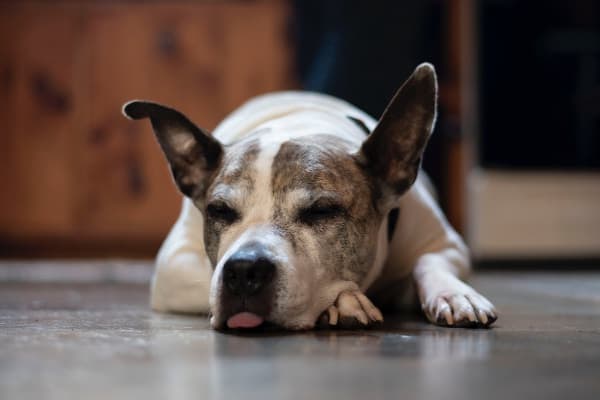
The term “lethargy in dogs” refers to a lack of energy, loss of interest in doing daily activities, or reluctance to get up and move about. Lethargic dogs may seem to suddenly lay around all day. They may not want to play, or they might generally seem a bit tired and depressed.
However, it is also possible for a dog to have a decreased activity level if he or she is just tuckered out from a busy day. So how do you know if what you are seeing is a sign of lethargy?
How do you tell if your dog is lethargic or just tired?
When trying to recognize lethargy in dogs, it can be helpful to think through the events of the past few days. Did your dog have a doggie play date with his or her friends? Did you take your normally sedentary pup on a long run or walk?
In these situations, your dog might understandably be more tired than normal. But typically even a tired dog will still get excited about a favorite treat or the doorbell ringing. And after about 24 hours, your dog should be back to his or her normal self.
On the other hand, if you can’t think of anything that might have worn your dog out, or he or she doesn’t quickly bounce back after some rest and relaxation, your dog might be lethargic.
What are the symptoms of a lethargic dog?
In order to determine if your dog is tired or lethargic, it can also be helpful to know the symptoms of lethargy in dogs. Since lethargy in dogs is a general lack of energy or a feeling of sluggishness, you may notice:
- Your senior dog hesitates to go for his or her usual walk.
- He or she stays in one place for a prolonged time.
- Your dog ignores his or her favorite toys and has no desire to play.
- When you call him or her, your dog fails to come.
- Your dog sleeps more than usual.
- Your dog may stand up and move around but quickly wants to go lay back down again.
- The things that normally excite your dog (e.g. visitors, favorite treats, etc.) get a lackluster response.
- Your dog wears out faster than normal from activity.
Is your dog showing other symptoms?
In addition to watching for these signs of lethargy, it can be helpful to pay attention to any other signs that something might be wrong. Sometimes all you notice is that your dog seems low on energy. But often, a lethargic dog will have other symptoms. For example, you might notice:
- Your dog is lethargic and wobbly
- Your dog is lethargic and not eating (however, it’s also possible for your dog to be lethargic but eating and drinking)
- Your dog is lethargic and shaking
- Your dog is vomiting and lethargic
- Your dog is drooling and lethargic
- Your dog is lethargic and drinking a lot of water
- Your dog is lethargic and breathing hard or lethargic and panting
- Your dog has pale gums and lethargy
- Your dog has diarrhea and lethargy
Especially if your dog becomes suddenly lethargic for no obvious reason and/or is showing some of the symptoms above, you should call your vet. (We’ll talk more about how to decide if you need the regular vet or vet ER in a bit). Lethargy is a common symptom of many different medical conditions, so it is nothing to be ignored.
Why is your dog acting lethargic? 19 possible causes
When thinking through the causes of lethargy in dogs (and there are a lot!), the following 19 medical problems come to mind as being some of the top contenders. However, be aware that this is far from an exhaustive list.
1. Kidney disease
In kidney failure in dogs the kidneys are functioning poorly and cannot excrete as many toxins and waste products as they normally would. When these compounds build up in your dog’s bloodstream, he or she often begins to feel sick and lethargic. And your dog may experience other signs like weight loss, vomiting, diarrhea, and loss of appetite. These signs may become especially prominent as he or she progresses through the stages of kidney disease in dogs.
2. Liver disease
When a dog’s liver is damaged, it can’t do its jobs as well, including storing energy for later use. This can lead to lethargy. Plus, dogs with liver disease may experience vomiting, diarrhea, and a lack of appetite. So they can be lethargic simply because they don’t feel good.
Liver disease in dogs can be caused by infection, chronic inflammation, toxin ingestion, congenital diseases, and tumors. To diagnose liver disease, your vet will use blood tests for dogs to look for high liver enzymes in dogs such as high ALP in dogs.
3. Pain
A reluctance to participate in normal activities or sleeping more than normal can be a sign your dog is in pain. And so can withdrawing from the family, being more irritable, altering the posture or gait, or eating less than normal.
Since pain is one of the common causes of lethargy, let’s take a look at some of the potential sources of pain:
Orthopedic problems such as arthritis
Osteoarthritis in dogs, a torn ACL in dogs, hip dysplasia in dogs, or other orthopedic conditions can all cause joint pain and poor mobility. As a result, your dog may prefer to lay in one place, not want to take walks, struggle to get up and down, or avoid stairs or jumping.
The good news is that there are many options for natural pain relief in dogs, as well as a variety of pain medications (e.g. carprofen for dogs or gabapentin for dogs) to relieve arthritis pain in dogs (or manage other causes of joint pain). And you can take steps to help your senior dog with arthritis at home and comfort a dog who is in pain.
Eye problems
Some eye conditions such as glaucoma in dogs, uveitis in dogs, or corneal ulcers in dogs, may cause significant ocular pain. This pain, especially when it persists for a long time, like in glaucoma, can cause a dog to be lethargic.
Dental disease
Sometimes dogs with dental disease in dogs or a dog tooth abscess may be lethargic because their mouth hurts. Thankfully, a dog tooth extraction and dental cleaning often help them feel better in no time.
Pain from internal organs
Pancreatitis in dogs (i.e. inflammation of the pancreas) can cause severe abdominal pain as well as vomiting, diarrhea, and lethargy. And so can other conditions like a gall bladder mucocele in dogs.
4. Anemia
Anemia in dogs (i.e. a low red blood cell count) can lead to lethargy. This is the case because red blood cells carry oxygen to the rest of the body. So when a dog has fewer red blood cells, his or her body may not be getting the oxygen it needs to function optimally.

The causes of anemia in dogs are numerous. But some of the most common include:
- Blood loss (due to parasites, trauma, GI bleeding, or cancer such as hemangiosarcoma in dogs)
- Kidney disease or other chronic conditions
- Immune mediated hemolytic anemia (IMHA in dogs) and immune-mediated thrombocytopenia (ITP in dogs)
- Toxins
- Bone marrow diseases or cancer
5. Heart disease
When a dog develops heart problems like heartworm disease in dogs, dilated cardiomyopathy in dogs, mitral valve disease in dogs, or congestive heart failure, the heart cannot pump blood through the body as effectively as it should. This results in lower levels of oxygen throughout the body and backup of blood in the vessels.
Over time, heart disease in dogs may cause signs such as weakness, coughing, exercise intolerance, lethargy, collapse, and difficulty breathing.
6. Diabetes mellitus
In diabetes in dogs, the glucose (i.e. sugar) molecules can’t get into the cells to be used for energy due to a lack of insulin (i.e. the hormone that lets glucose into cells). This lack of cellular energy and the high blood sugar levels lead to lethargy, increased thirst in dogs, increased urination, a dog who is losing weight but eating well, and other symptoms.
In severe cases, diabetic dogs can go into diabetic ketoacidosis (i.e. DKA in dogs) which can be life-threatening. Dogs with DKA tend to have more severe signs such as vomiting, diarrhea, collapse, or weakness in addition to the typical signs of diabetes.
7. Infectious diseases
Often when a dog has an infectious disease like leptospirosis (lepto in dogs), distemper in dogs, or parvovirus, he or she may be lethargic. Additionally, depending on the disease, you may notice signs such as fever, vomiting, diarrhea, weakness, nasal discharge, coughing, dehydration, etc.
8. Medications
Sometimes lethargy can be a side effect of certain medications. This is especially common with medications used to manage seizures in dogs, decrease anxiety, or control pain. For example, one of the most common gabapentin side effects in dogs is severe lethargy that usually decreases after a few days on the medication.
9. Pneumonia or other respiratory infections
Kennel cough and canine influenza are two of the most common causes of respiratory infections in dogs. Both are highly contagious but typically remain mild. However, they can occasionally lead to pneumonia in dogs, which tends to make dogs much sicker and more lethargic. Plus, a variety of other bacteria, viruses, and fungi, as well as aspiration of food, water, or vomit, can cause pneumonia.
In general, lethargy plus coughing and sneezing, nasal discharge, and/or your dog breathing fast could be signs your dog has a respiratory infection.
10. Cancer
A variety of different cancers (e.g. liver cancer in dogs, osteosarcoma in dogs, prostate cancer in dogs, bladder cancer in dogs, lymphoma in dogs, etc.) can affect dogs. As a result of the toll cancer takes on their bodies, dogs with cancer won’t have as much energy as they used to. And they tend to sleep more.
11. Endocrine diseases
The endocrine system produces and secretes hormones through the body to control various processes. When there are too few or too many hormones being secreted, it can lead to diseases like:
- Hypothyroidism in dogs (i.e. low thyroid hormone levels)—May lead to weight gain, lethargy, and a poor hair coat
- Cushing’s disease in dogs (i.e. high levels of the steroid hormone cortisol)—Symptoms include increased thirst, urination, and appetite plus changes in hair coat, a pot bellied dog appearance, and lethargy.
- Addison’s disease in dogs. (i.e. a deficiency in cortisol and/or mineralocorticoids)—May cause vague signs like lethargy, weakness, collapse, vomiting, or diarrhea.
12. Toxins
Ingesting toxins (e.g. your dog eats a grape or raisin or your dog gets into Advil) can sometimes cause lethargy. Plus, you may see other symptoms such as vomiting, diarrhea, weakness, collapse, tremors, seizures, etc.
Important note: Time is of the essence when it comes to toxins. So if you ever think your dog may have gotten into something toxic, please call your vet, ASPCA Animal Poison Control Center, or Pet Poison Helpline immediately. (There is a fee associated with calling both pet toxicology services but it is well worth it.)
13. Parasites
Some internal and external parasites (e.g. hook worms, fleas, and ticks), feed on your dog’s blood. This can cause lethargy due to anemia. Plus, dogs (especially puppies) who have a heavy burden of roundworms could potentially be lethargic because the parasites are stealing so many nutrients from the GI tract.
14. Dehydration
If a dog becomes dehydrated from profuse vomiting and/or diarrhea, fever, significantly decreased water intake, or an underlying medical condition (e.g. diabetes, kidney disease, etc.), he or she may be lethargic.
15. Neurologic disorders
Lethargy, decreased response to stimuli, or depressed mentation can also occur with some neurologic disorders. For example, if a dog is in the post-ictal phase (i.e. time directly after a seizure), he or she may be confused, disoriented, or more tired than normal. These changes may clue you into a seizure even if you didn’t see it happen.
16. Bites or stings
A snake bite on a dog can cause a dog to become weak and collapse. Plus, you may notice a wound on your dog, difficulty breathing, excessive drooling, swelling, or other symptoms.
Additionally, dogs who are having a severe reaction to an insect bite or sting may also show similar signs.
17. Trauma
Trauma, such as occurs after a fall, dog fight, or being hit by a car, can cause lethargy in dogs. Some dogs have primarily external injuries (e.g. fractures, wounds, etc.). But other dogs may suffer significant internal injuries (e.g. air in the chest cavity, bruised lungs, internal bleeding, brain bleeding or swelling, etc.).
18. Anxiety
While it might sound counterintuitive, anxiety is another cause of lethargy in dogs. Dogs who are anxious may pace and engage in destructive behaviors. Plus, worried dogs might be panting and restless for a good part of the day. Heart beating rapidly, anxious dogs are in a permanent state of “fight or flight,” which expends a lot of energy.
This is especially true for dogs with separation anxiety because they experience these feelings all day long. Anxiety can wear dogs out and may explain why your dog seems tired once you’ve come home.
19. Allergies
Allergic dogs are constantly itchy, which can make them mildly lethargic. And they may suffer from secondary infections such as otitis in dogs (i.e. ear infections), pyoderma in dogs (i.e. bacterial skin infection), or dog paw yeast infection. These problems can make them feel even worse.
Thankfully, whether your dog is allergic to something in the environment, fleas, or dog food, there are a myriad of allergy medicines for dogs that can help give your dog some relief.
When do you need to take a lethargic dog to the vet?
It isn’t always a cause for alarm if your dog is a bit more tired than normal. But as you have learned, lethargy can be a sign of many different problems—some more serious than others.
If your dog is just mildly lethargic (perhaps slightly less interested in doing daily activities or a bit more subdued), you have more leeway to observe your dog. It is possible that he or she may perk up in a day or two. But if not, it is a good idea to make a vet appointment.
Signs your dog needs veterinary care
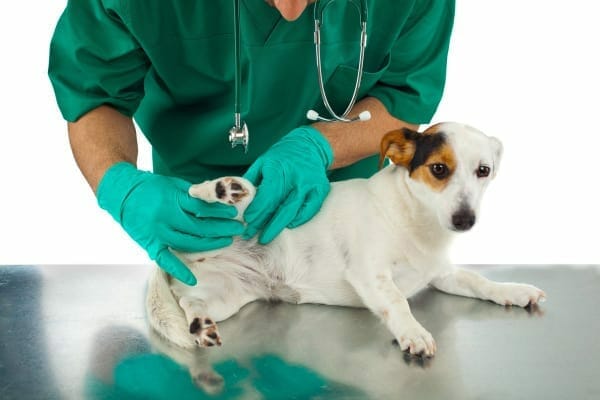
On the other hand, if you have noticed a significant change in your dog’s energy level and/or your dog is showing other symptoms, now is the time to seek veterinary attention. Some symptoms of concern include:
- Vomiting
- Diarrhea
- Change in water consumption
- Increased or decreased appetite
- Sudden weight loss or gain
- Limping or other signs of injury
- Coughing or sneezing
- Trouble breathing
- Seizures or disorientation
- Weakness or collapse
- Signs of pain
- Pale gums
This is far from an exhaustive list. So keep in mind that if you are worried about your dog, the best thing you can do is contact your vet.
Do you need to go to the ER or your regular vet?
If your dog is experiencing severe symptoms (e.g. profuse vomiting and diarrhea, seizures, collapse, extreme weakness, difficulty breathing, etc.), you may need to make an emergency vet visit. Otherwise, you are probably fine to make an appointment with your regular vet within a day or two.
Resources to help you make a decision
I know figuring out if you should take your dog to the vet can be stressful. So I want to remind you that you don’t have to sort this out alone. If you’re unsure whether you should head to the ER or to your regular vet, you can always call your vet for advice. The veterinary team would be happy to direct you to the place that is right for your dog. Plus, my article “How to tell if your dog sick” can also provide some helpful guidance.
If your dog is lethargic, call your vet
There are so many causes of lethargy in dogs (far more than we have time or space to talk about here). With that in mind, the best advice I can give you is that if you aren’t sure if your dog is lethargic or just tired, call your vet for advice. And if you know your dog is lethargic and you have concerns about his or her health, make an appointment with your vet or seek emergency veterinary care.
In the end, it is better to be proactive and get your dog checked out. If you are worried about your dog, make an appointment with your vet and share your observations. That way you can ensure you are doing all you can to keep your dog happy and healthy for as long as possible.
How do you tell the difference between your dog having a sluggish day and something more concerning?
Please share your experience in the comments below.


Our Golden isn’t even two years old yet and his hind legs suddenly went out from under him. He had just been fetching balls then turned lethargic. He ate but had to have food brought to him rather than his usual “can’t wait feed me now” … now his eyes roll back in his head, nose is warm and dry but gums are a healthy pink. No idea what brought this on.
Hi Ruthie,
I also am not sure what could be causing these worrisome symptoms in your pup. With such a sudden and severe change in behavior, I highly recommend you contact your vet as soon as possible. This has me very concerned! Hoping all is well and praying for a positive outcome.
My Mastiff Rottweiler mixed Stormy was adopted by myself after my Dad tragically passed last year…he’s fed and well taken care of…earlier this evening he’s just slowed down considerably and not as active…could it be he could be just depressed at not seeing my Dad anymore!
Dear Kevin,
I am so sorry for the loss of your dad and commend you for taking his sweet boy home with you. While dogs can definitely grieve a loss and be depressed, I would not think you would just be starting to see the signs now. With this recent change in his behavior, I am very concerned there could be a medical cause that needs further investigation. I encourage you to schedule an appointment with your vet and think it would be best to have your pup evaluated as soon as possible. Hoping for some answers and praying for a positive outcome. Bless you. ♥
Hello,
My almost 9 year old dog is very lethargic lately. He’s usually very loving and cuddly, but lately, he doesn’t want anyone to touch him besides just a little pat. He sleeps all day long and today he barely ate. What is wrong with my little old pup?
Hi Andrea,
I am sorry your senior guy isn’t feeling well. I wish I could tell you what was wrong, but without examining him myself there is no way to know for sure. I encourage you to make an appointment with your vet to have him evaluated. Hoping you can get some answers and find the best way to restore his quality of life.
Good morning.
My 8-month old Australian Shepard/Poodle mix is very sleepy. Not sure if this is lethargy or just a tired day. He has been to his day care facility every day this week where he swims and runs around from 8am to 5pm. Today he isn’t interested in his morning feeding (he doesn’t always eat this) or treats which he normally inhales. He got up when I went to the door and came out with me to pee and poo. Then he came back inside and laid right down again. His poo was normal and he has no other definitive signs of something being wrong. He’s so young and normally a lunatic so I am a bit concerned. Should i wait until tomorrow to see if he’s just having a lazy day? Or bring him into the Vet today? Thank you. (Sara in Boca Raton)
Hi Sara,
I am sorry your boy is acting very tired and not quite himself. I applaud you for being so vigilant and taking note of this subtle change in his behavior. Without examining your pup myself, it is hard to know if this is truly cause for concern. My gut tells me your senior guy may have over done things a bit this week, but I like to err on the side of caution. I think it would be best to contact your vet and update them on this issue. They can advise you on how to proceed and tell you what to be monitoring for at home. How are things today? Hoping all is well. Best wishes to you and yours.
Our 11 year old Engish Setter got a wound on leg that became infected. After 2 weeks of antibiotics wound healing but he still won’t eat and all he does is sleep..he has been to Vet twice..
Hi Roger,
I am sorry your senior guy is not feeling well. It sounds like there is something complicating his recovery and there may need to be some more investigation. Make sure your vet is aware that things are not progressing as hoped. Praying for healing and peace.
hi. 11 yr old mixed herding dog. not normally very active, in good weight. I just brought a puppy home 4 days ago… She doesnt like a lot of fuss..Now she is lethargic, color is good. Drinking more than normal and not demanding pets. Offered a couple kibble, not interested. Not very impressed with puppy, doing her best to avoid it. Depression? or do I need to go to vet. Vet is demanding a whole round a vaccines to even come in the door, and I give mine at home. Did so 5 months ago. ideas?
Hi Lori,
I understand your concerns about these behavioral changes in your senior dog. Without examining her myself, it is hard to know if this is truly something to be worried about or not. It is very possible she is struggling with the addition of your new puppy, but a medical cause can’t be ruled out without some testing and evaluation. How are things today? Hoping all is well and both dogs are getting along and enjoying each other’s company. Feel free to leave an update if you have a chance.
Our 7 year old Heidi girl has been very slow and not herself for the last 3-4 days. She is drinking water, but uninterested in her dog food. I boiled some chicken and she has been eating that today. She seems to just be less active and not herself. I’m not sure if she could just have a virus or if there is something else going on. The vet was unavailable today so we would have to take her to an emergency vet over an hour away so we have held off to see if she improves today. Not sure what to do.
Hi Audra,
I am sorry Heidi isn’t acting like herself and doesn’t have much of an appetite. Without personally examining her, I can’t tell if this is truly an emergency situation or if this will straighten itself out in a few days. To play it safe, it is probably best to have her evaluated by your vet as soon as possible. How is Heidi feeling today? Were you able to get her an appointment? Hoping for good news. Feel free to leave an update if you have a chance.
Our 7 year old Golden Retriever is very energetic first thing in the morning. He’s hungry, ready to go on a long walk, but by the afternoon he refuses to go on walks and wants to sleep the rest of the day. He has no problem with meals; is overweight. We did cut out one of his meals so he can take off some of the extra weight, but his lethargy seems to have started in the past few weeks. We just took him to the vet for his rabies vaccination and the doctor didn’t seem concerned with his weight issues or anything else; said he looked fine!
Hi Marsha,
I understand your concerns with this new behavioral change in your Golden. Without examining him myself, it is hard to make specific conclusions. I do think you are right to be asking for some more investigation. This could be nothing, or it could be the start of something serious. As long as you are ok with knowing you could spend a bit of money on testing and still not get any answers, I think it would be wise to ask your vet for some testing. Blood work and maybe some x-rays wouldn’t be a bad place to start. Your senior guy is lucky to have you advocating for his health and well-being. Wishing you both the best and keep up the good work!
Dog went to the vet due to seeming to be in pain around the stomach. They performed labs and took X-rays. All seemed ok. He did have a large bowel movement while there. Around noon on Friday they gave him a shot for pain. It is now 5;00 pm the next day and he is extremely lethargic and can not stand. He will eat and drink by hand while laying down. Thought this was just due to pain shot but worried since it is more than 24 hours later there is something wrong.
Hi Liz,
Please make sure your vet is aware your dog is having these ongoing issues. I am concerned his lethargy and lack of appetite may be symptoms of a more serious problem. Does your vet have access to ultrasound? This may be the next best step in getting a diagnosis. With what you are describing I would highly recommend having your pup rechecked as soon as possible. Hoping all is well and you have found some answers. Feel free to leave an update if you have a chance.
Titus, my 9 year old 130# American Bull suddenly started acting sick after a day of guests were over for target shooting and fireworks. He was very upset by all of the loud noise, but didn’t start acting lethargic until the next day. He started off with heavy panting and weakness. We noticed a lot of discharge and redness in his eyes. All of that cleared up (except for the redness), but now he just lays in his crate breathing a little funny.
Hi Annie,
You are right to be concerned about Titus and these new symptoms. The heavy panting and red eyes could be side effects from stress/anxiety. But the weakness and breathing funny have me concerned. Since I have not examined your dog myself, I can’t make specific conclusions. I highly recommend you call you vet and let them know about these worrisome new issues. They will probably need to see Titus and do an exam and possibly run some tests. I hope your big guy is ok and back to his normal happy self. Feel free to leave an update if you have a chance.